
Practitioner Database - Thyroid Support Remedies
Nourishing Remedies
Provides the raw materials needed for thyroid hormone production, supports tissue repair, and helps restore metabolic function when the body is depleted. This is recommended when when the thyroid is in a depleted / under-resourced state. (Dry / Atrophic + Hypo-Metabolic Tendency) The thyroid may be not producing enough hormone, struggling to convert T4 → T3, lacking raw materials (iodine, tyrosine, selenium) and downregulated due to stress or undernourishment. The system is slowed, not overactive.
-
This is when you reach for nourishing (Degree 1–3):
Persistent fatigue
Cold intolerance (always cold)
Dry skin, brittle hair, hair thinning
Constipation / slow digestion
Brain fog
Low mood or flat affect
Slow metabolism / weight gain tendency
Low appetite or poor assimilation
-
1. Nutrient depletion
Low iodine, selenium, iron
Low protein intake
2. Undereating / inconsistent eating
Skipping meals
Chronic dieting
Blood sugar instability
3. Chronic stress
High cortisol suppresses thyroid signaling
👉 (PTA axis involvement)
4. Poor digestion / absorption
Eating well but not absorbing
5. Postpartum or long-term depletion
Nutrient drain over time
-
When nourishing is NOT the main need
This is equally important:
👉 If symptoms look like:
Anxiety, heat, palpitations
Rapid heart rate
Restlessness
That’s NOT primarily a nourishing state
→ that’s overstimulation / excessRegulating remedies are. 👉 Nourishing becomes secondary support
Why?
Because even in excess states:
the body can still be depleted underneath
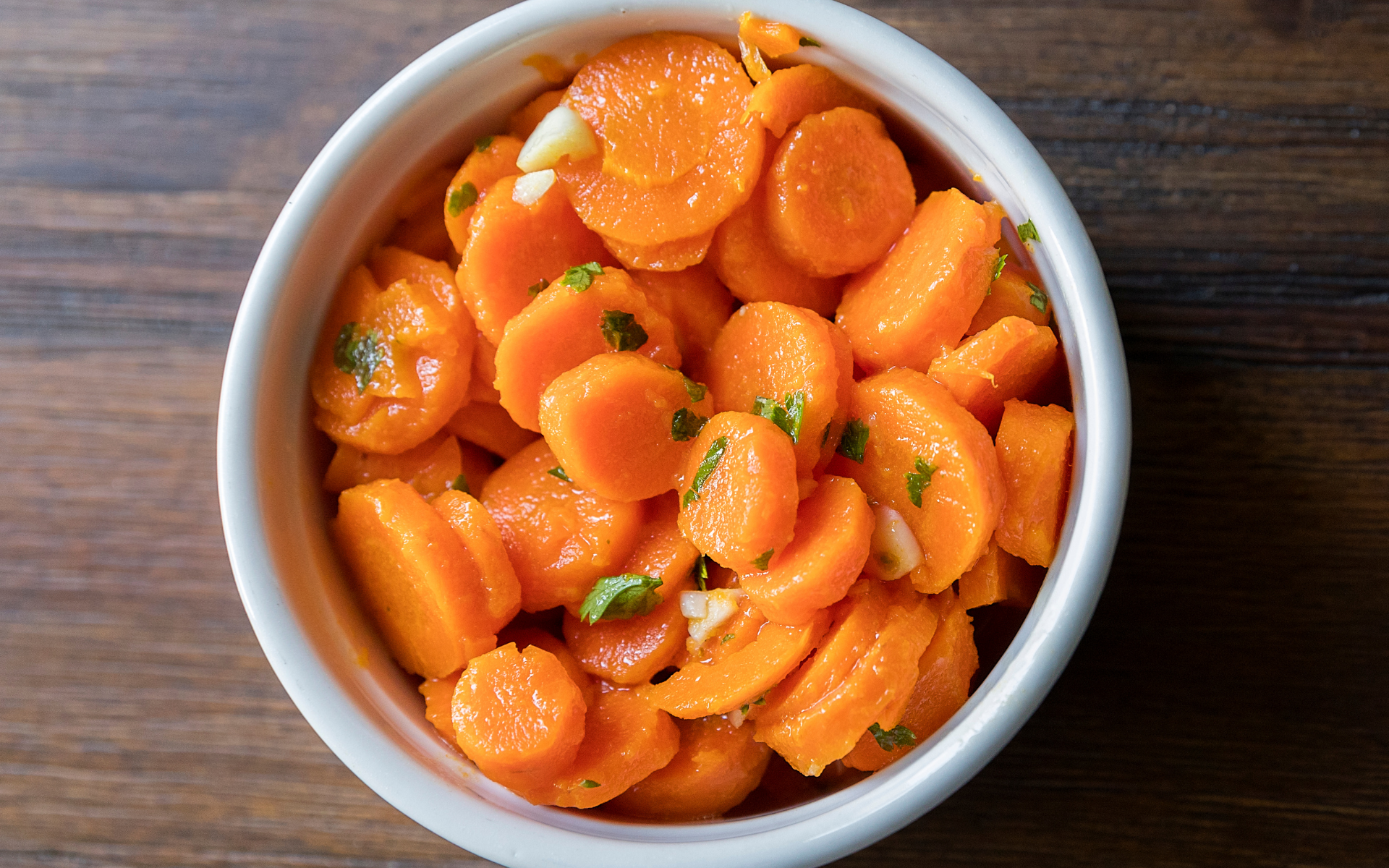
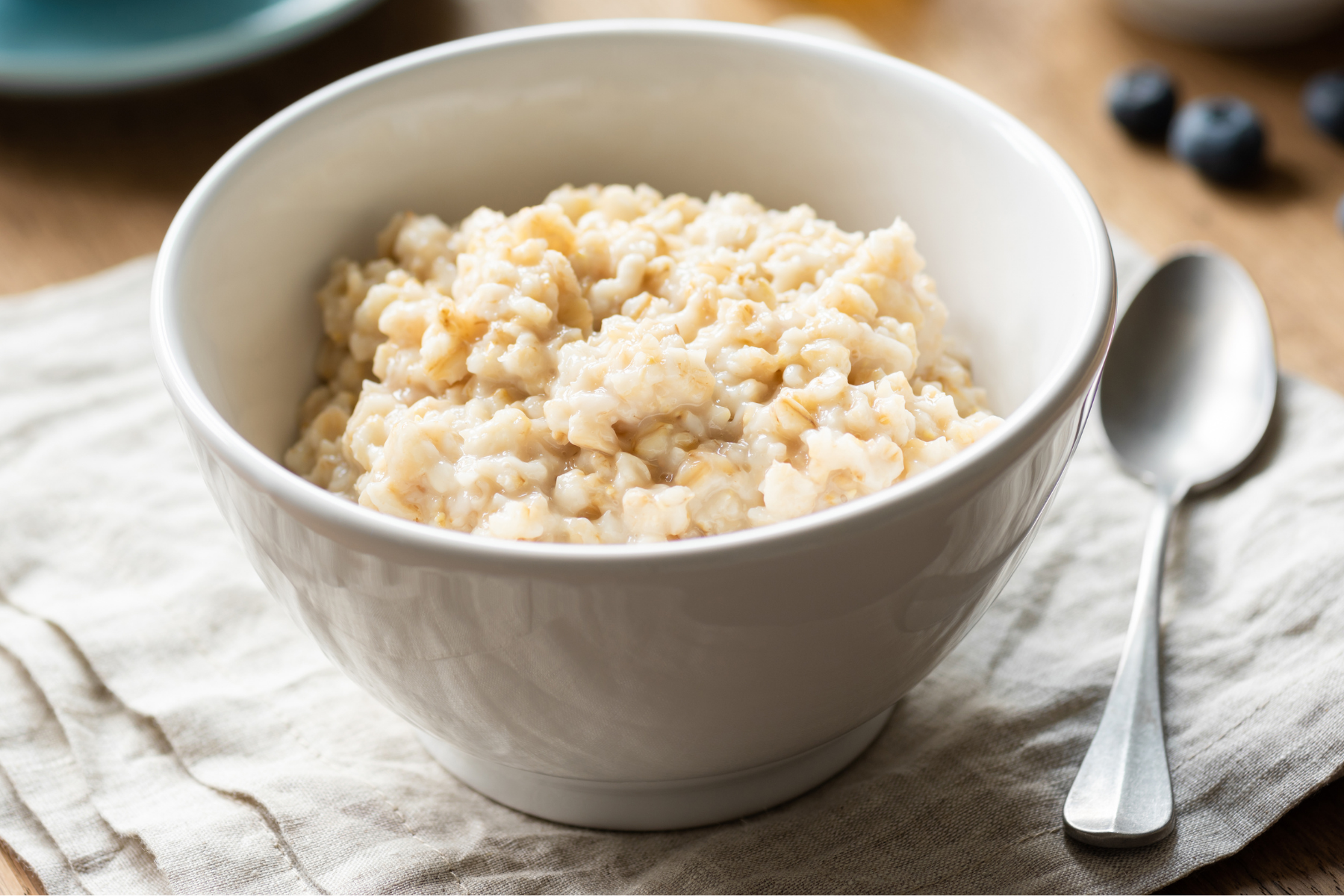
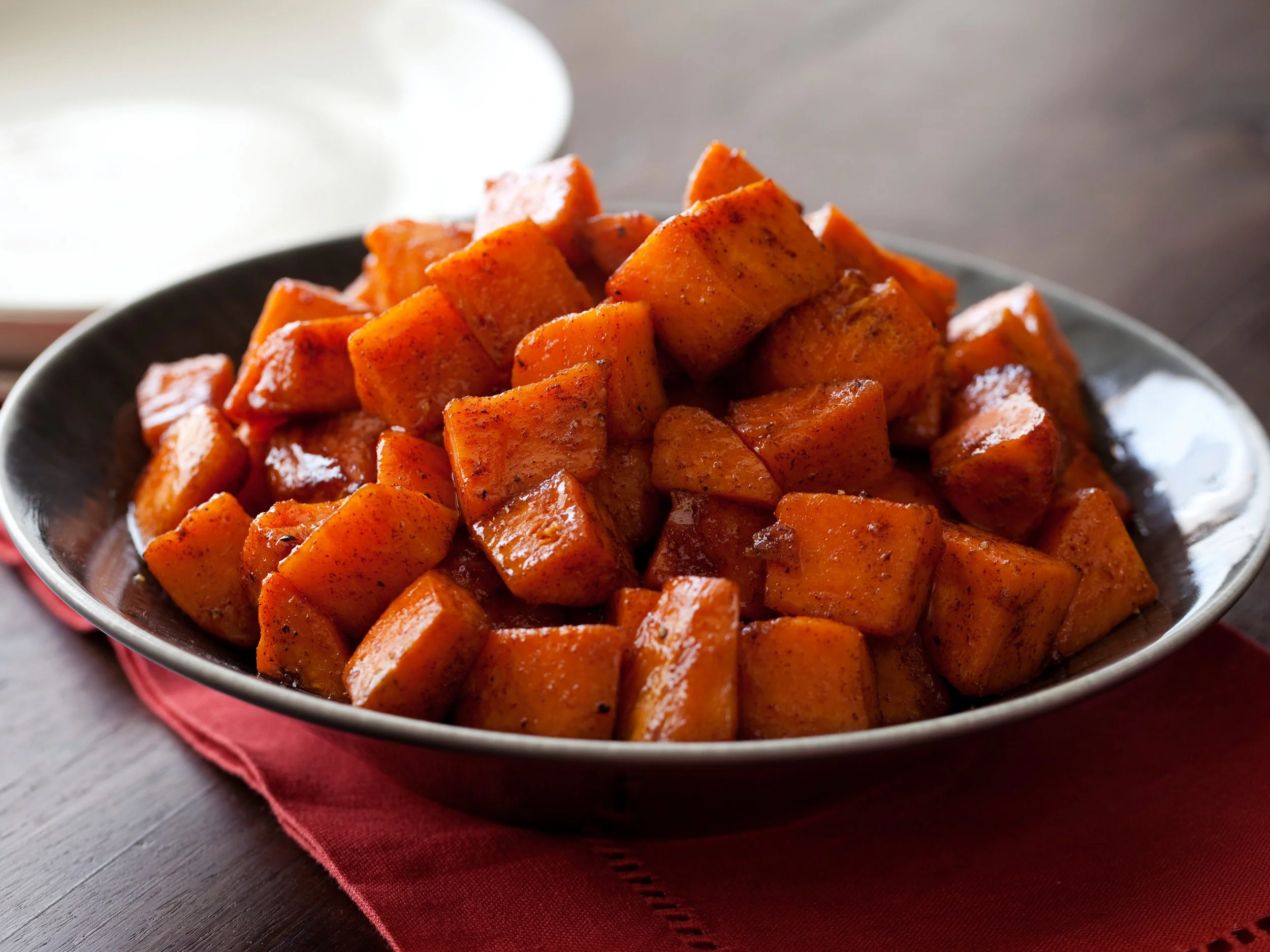
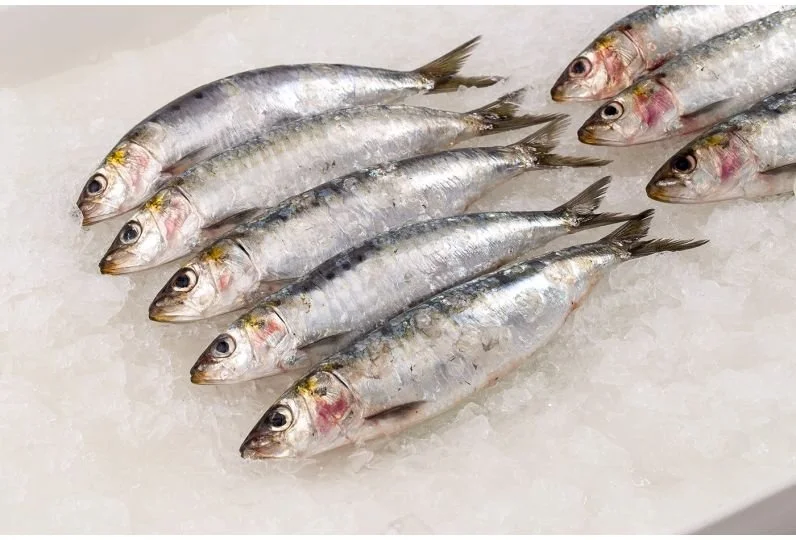
DEGREE 1 - Gentle Nourishment
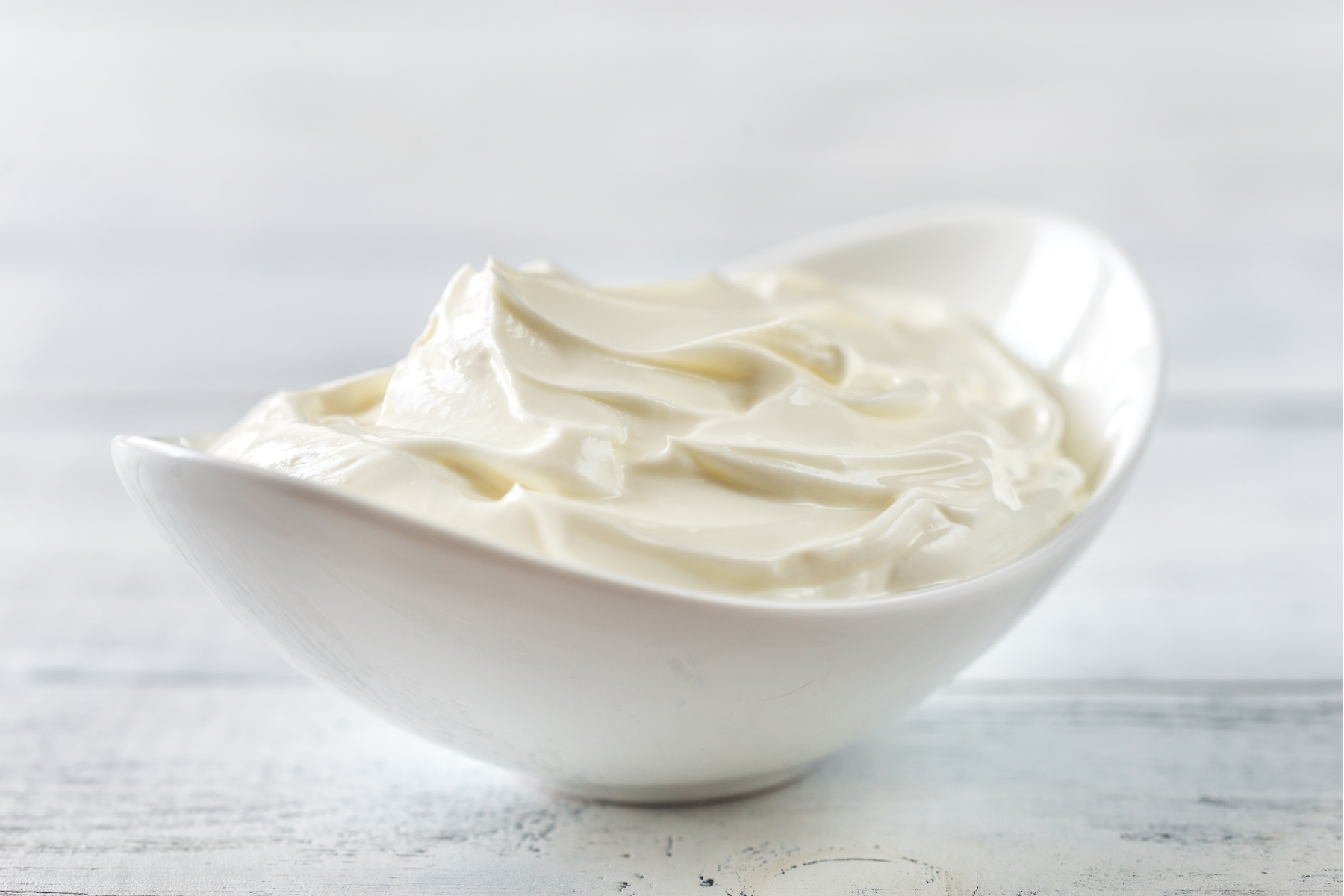
Nourishment is gentle and foundational, centered around daily foods that steadily rebuild without overwhelming the system. These foods provide protein, minerals, and supportive fats that help the body gradually restore balance over time. These foods support thyroid function indirectly by improving overall nourishment, blood sugar stability, and providing amino acids needed for hormone production.



DEGREE 2 – Moderate Nourishment
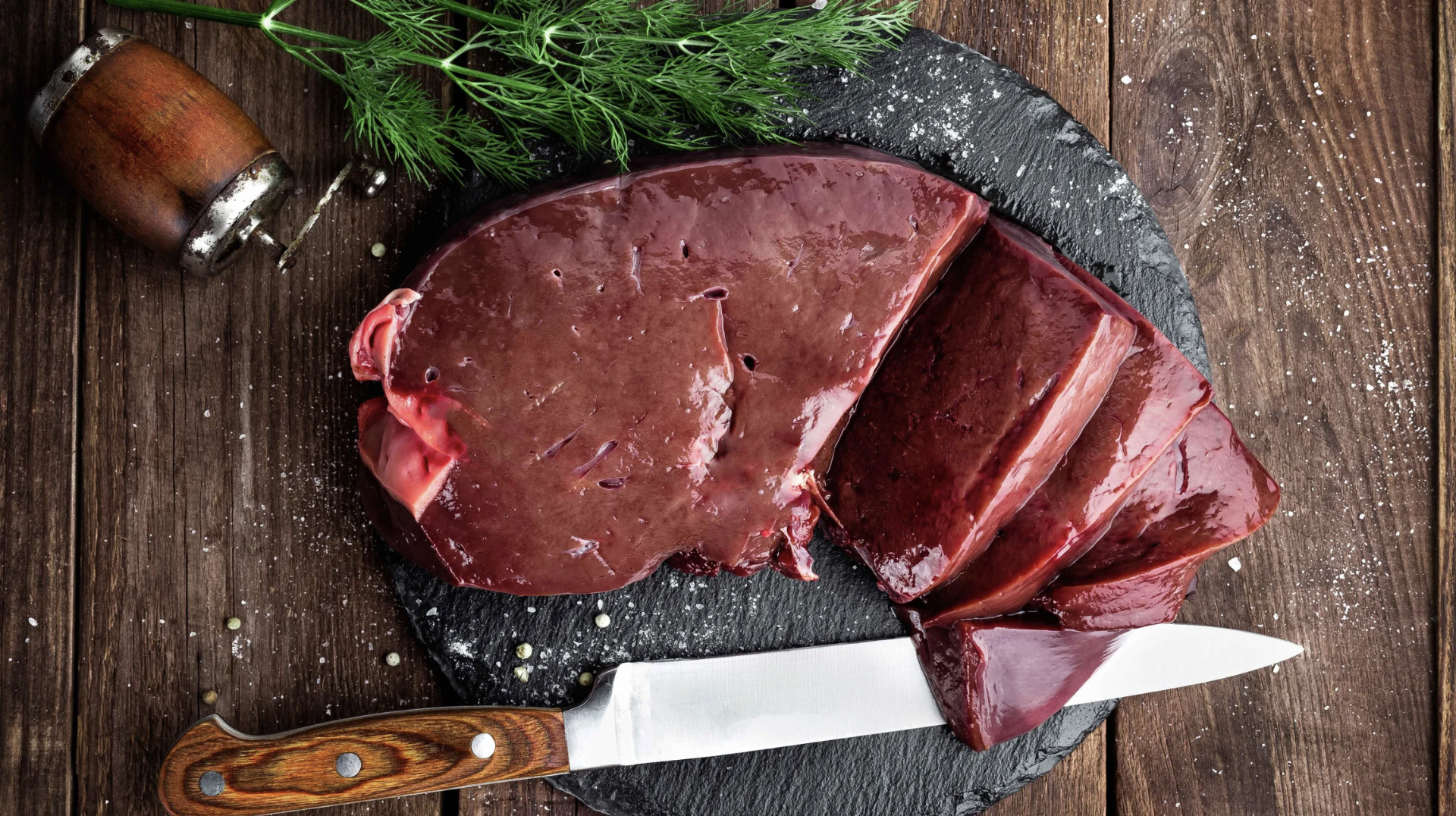
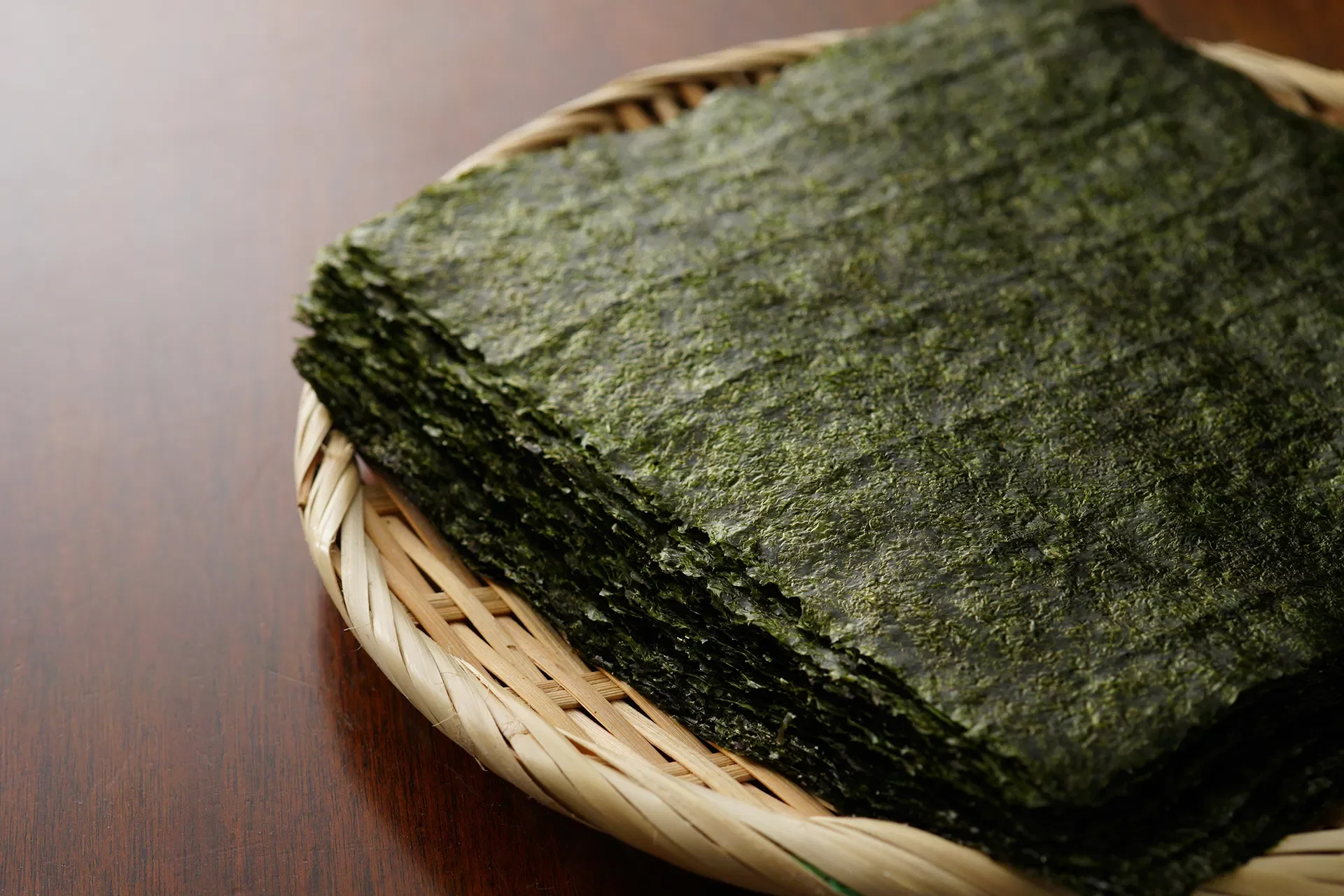
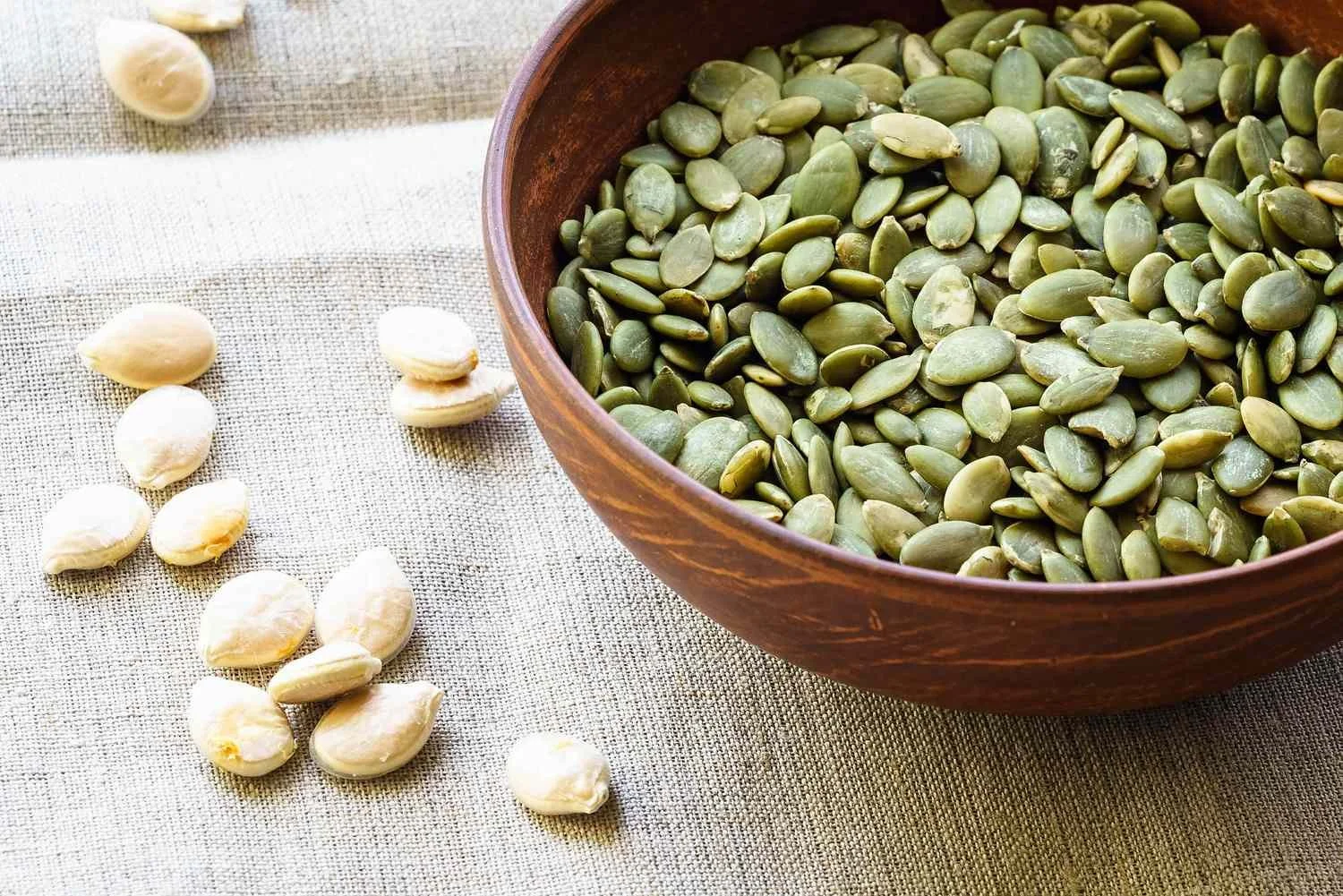
At a Degree 2 level, nourishing remedies become more targeted, supplying key nutrients that directly support thyroid hormone production and conversion while still working with the body rather than overriding it. This level is often needed when early signs of imbalance appear, such as mild fatigue, slight cold sensitivity, dry skin, or subtle hair thinning, especially when linked to nutrient gaps.

DEGREE 3 - Strong Nourishment
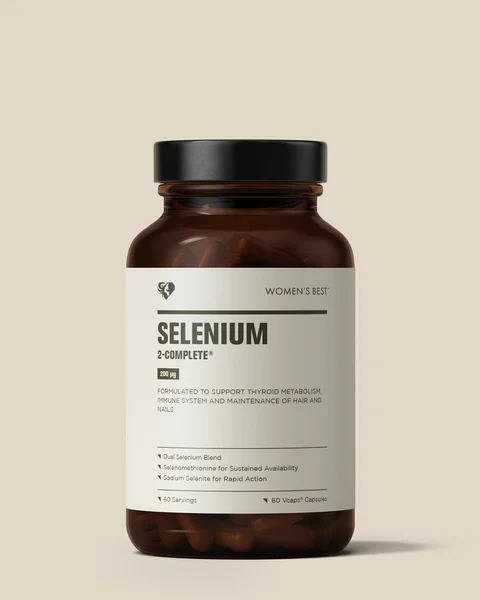
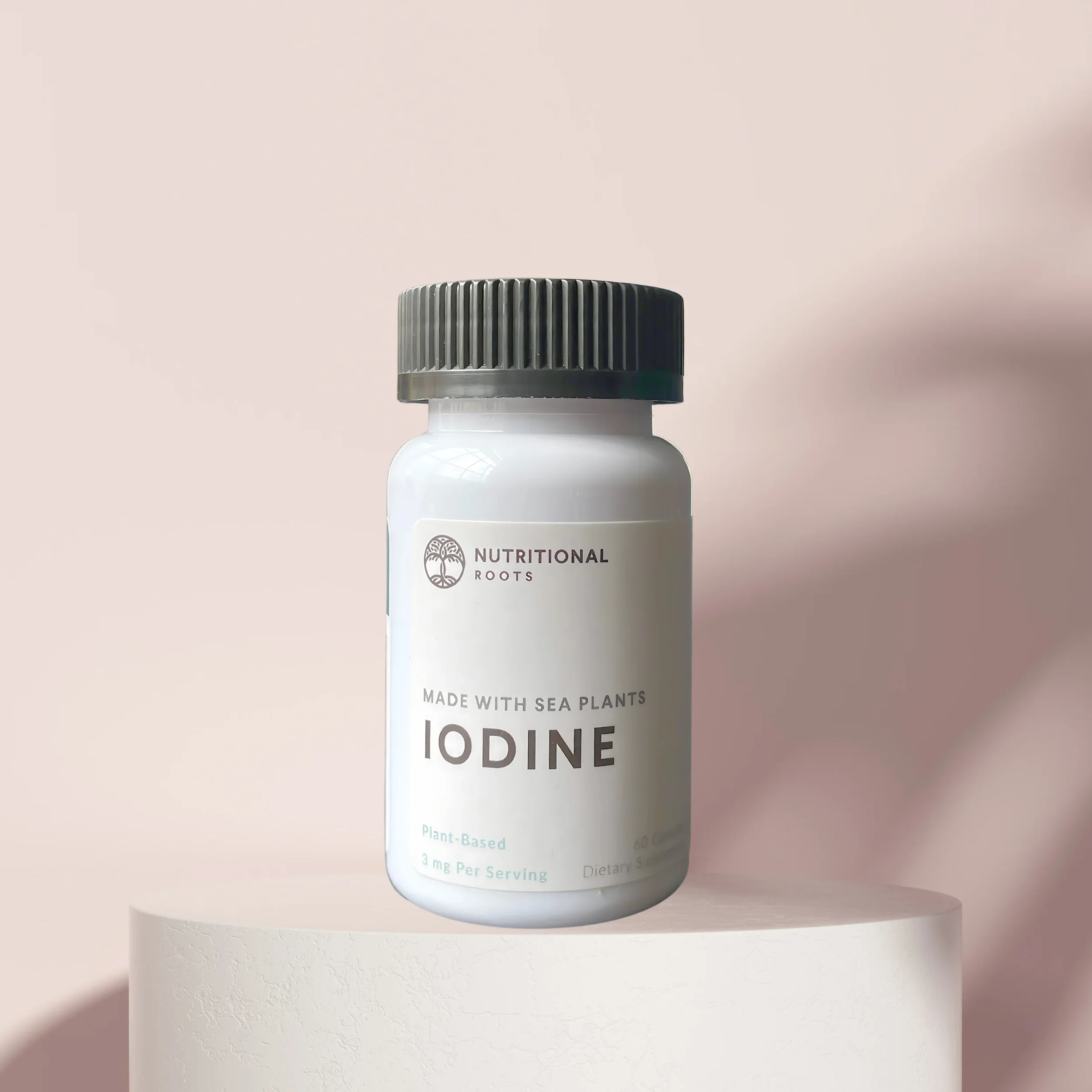
At a Degree 3 level, nourishing remedies are used when the thyroid shows clear signs of deeper depletion and is no longer responding to basic support. This may present as persistent fatigue, cold intolerance, noticeable hair thinning, dry skin, brain fog, slow metabolism, or ongoing low mood despite adequate eating. It is typically required when these symptoms have been present long-term or continue to worsen even after consistent foundational nourishment.
DEGREE 4 - Forceful Nourishment
Medication intervention and working with a qualified healthcare provider is typically recommended at this stage. At a Degree 4 level, nourishing remedies move beyond support and into direct hormone replacement, meaning the body is no longer being encouraged to produce on its own but is instead being supplied with the end product. This level is typically used in more advanced or clinically significant hypothyroid states, where symptoms like extreme fatigue, significant hair loss, marked cold intolerance, slowed heart rate, and severe metabolic slowdown are present. Examples include desiccated thyroid and synthetic thyroid hormone medications (T3 and T4), and it is important to note that at this stage the approach is no longer supportive but forceful, overriding the body’s natural feedback mechanisms to maintain function.
Stimulating Remedies
Stimulating remedies increase metabolic activity, circulation, and energy output, helping the thyroid and downstream tissues become more active. They are most appropriate when the system is sluggish, cold, slow, and underactive, not when there is already excess or agitation.
DEGREE 1 - Gentle Stimulation
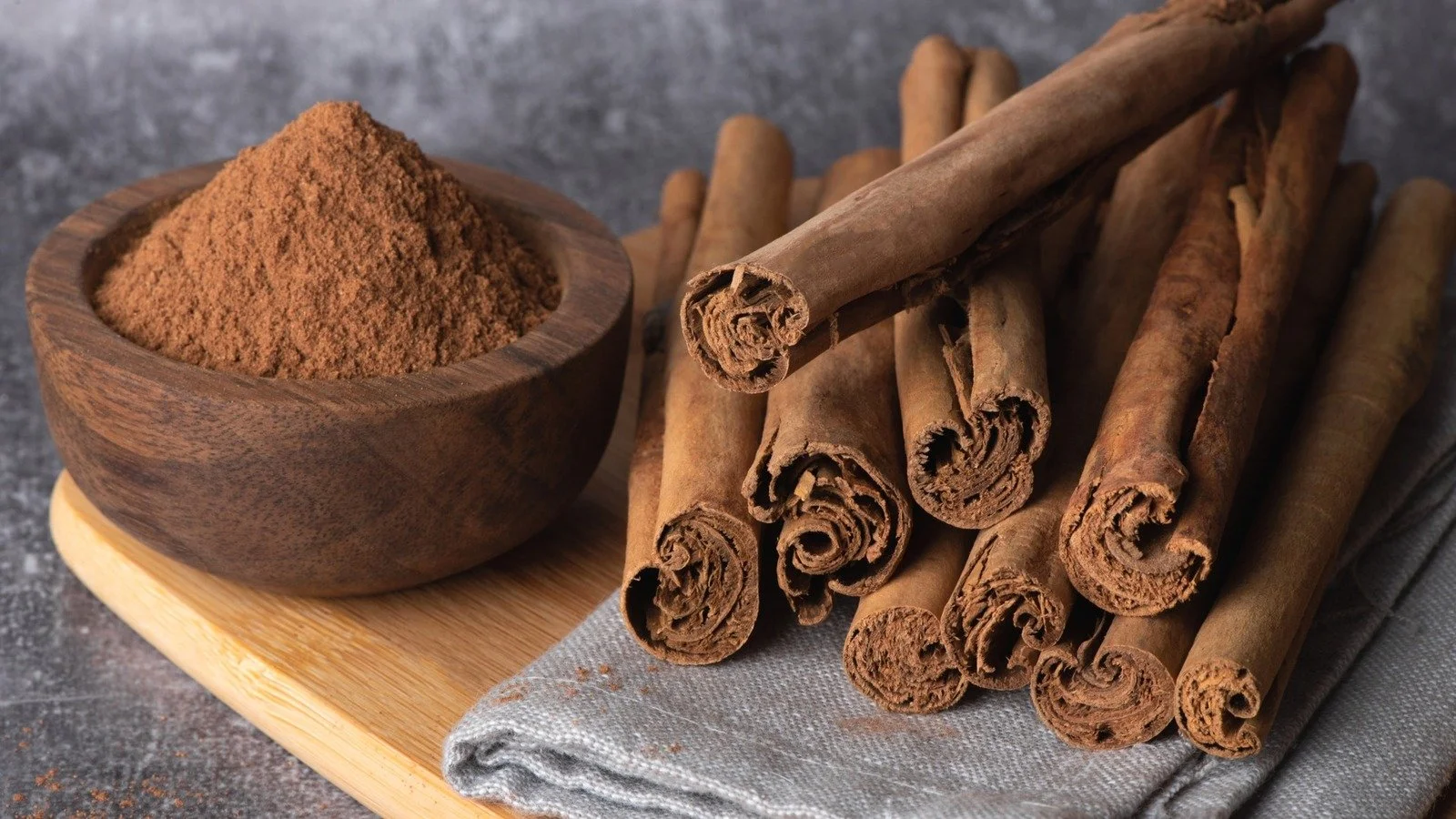
These remedies provide a mild lift in energy and circulation without pushing the system aggressively. They support the body’s natural rhythm and are suitable for daily use in mild sluggish states.
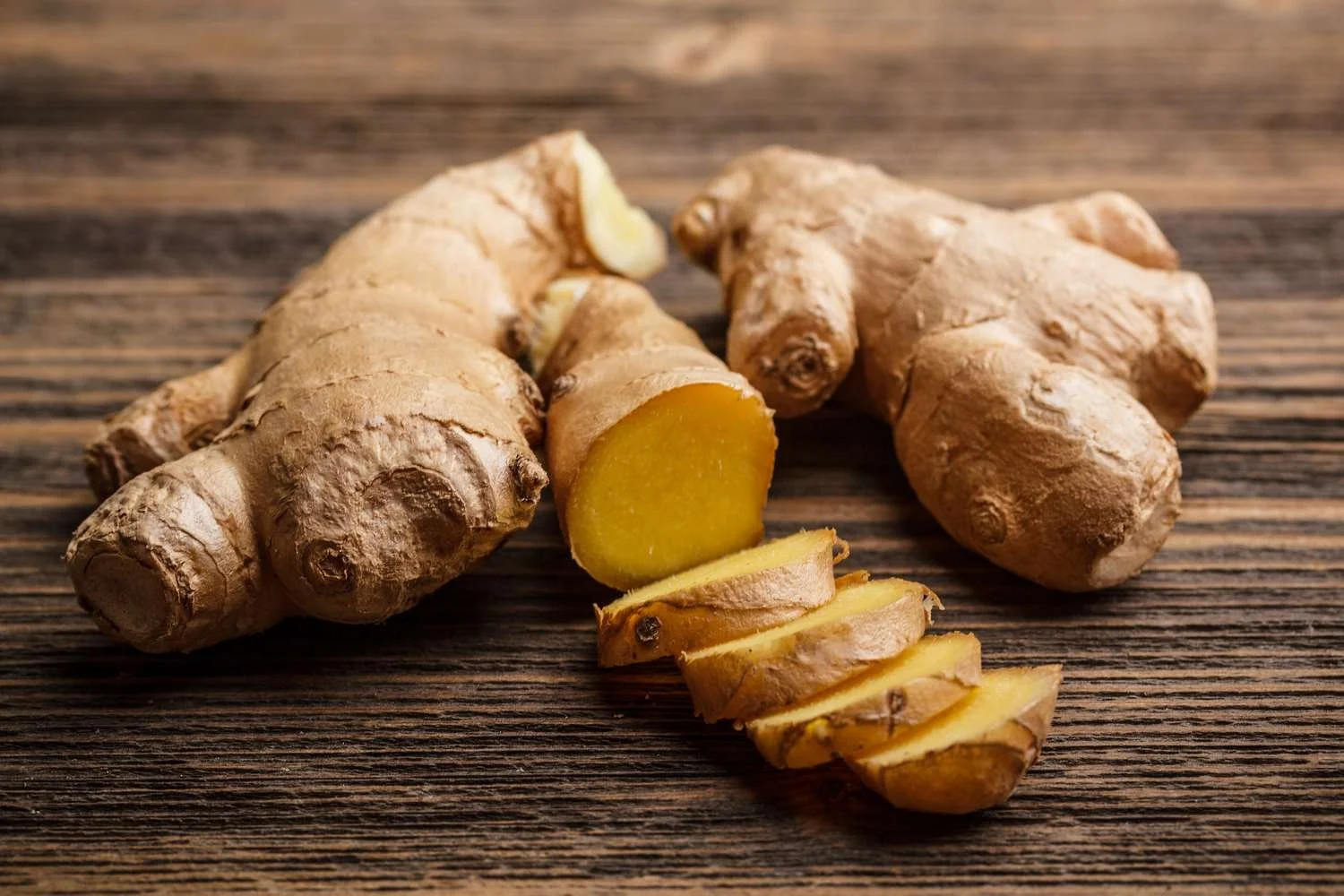




DEGREE 2 - Moderate Stimulation
These more directly enhance metabolic activity and can noticeably increase energy. They begin to push function, so they should be used with awareness. The appropriate symptoms these remedies are indicated for would be persistent low energy, brain fog, low drive or focus, and sluggish metabolism that hasn’t improved with basic support.

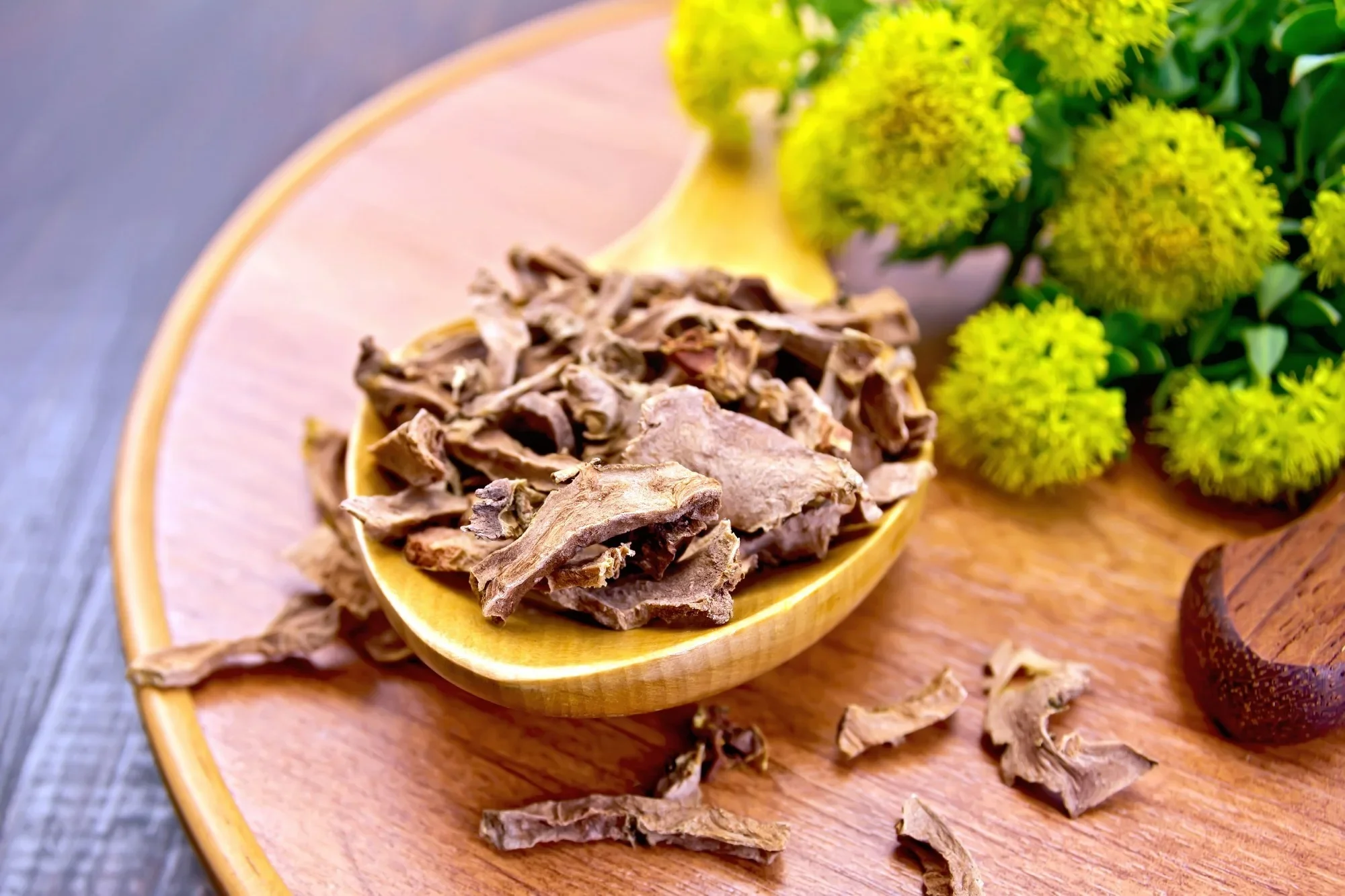

DEGREE 3 - Strong Stimulation
These significantly increase metabolic rate and endocrine activity and are used when the system is markedly underactive. They can override natural pacing if overused. Appropriate symptoms:
Deep fatigue
Very low metabolic drive
Significant cold intolerance
Lack of responsiveness to lower-degree interventions


DEGREE 4 - Forceful / Overriding Stimulation
At this level, stimulation becomes forceful and no longer supportive, directly increasing metabolic activity regardless of the body’s current state. This can override natural regulatory mechanisms. Severe hypothyroid states
Extremely low metabolic function
Cases where the body cannot generate sufficient activity on its own
👉 Note: At this stage, intervention is no longer gentle or supportive—it is forceful and typically requires medical supervision.

Drugs