I Know You Love Matcha, But Hear Me Out
I was never a matcha girl, and I say that with zero judgment.
I wasn’t into coffee either, so when the whole “matcha is the clean girl drink” wave took over the internet, I mostly watched it from the sidelines.
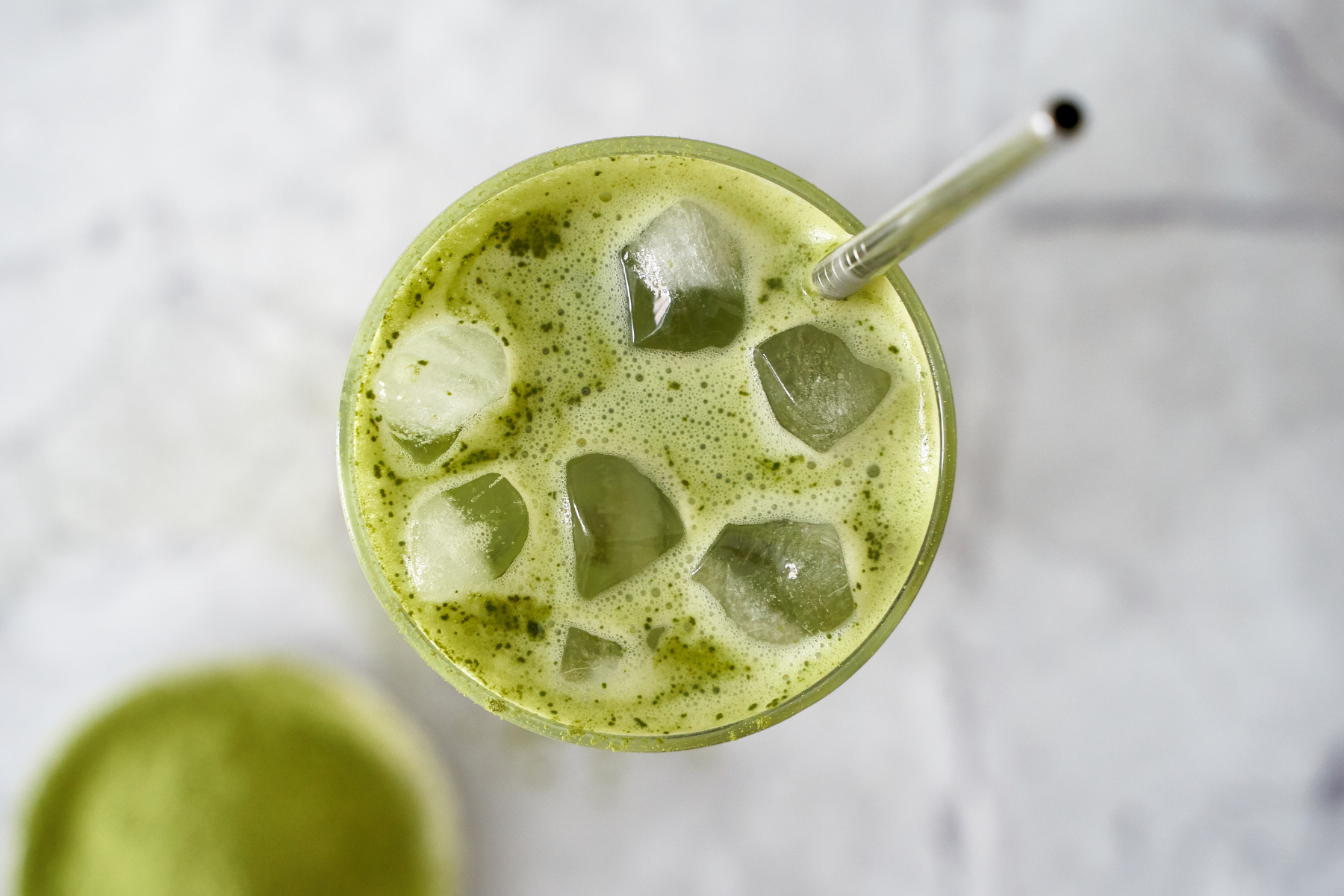
Every café menu suddenly had three versions of it. Every wellness influencer swore it cured anxiety. Every morning routine video started with a green frothy cup.
And I kept thinking… when did this become a daily ritual for so many people?
Not in a judgmental way. Just in a curious way.
Because matcha isn’t just a trendy drink. It’s a concentrated medicinal plant. And in herbal medicine, anything concentrated and consumed daily is never neutral.
Somewhere along the way, we started treating herbal drinks like flavored water instead of what they actually are, powerful plant compounds with real physiological effects.
When you drink matcha, you’re not steeping leaves and tossing them out. You’re consuming the entire powdered leaf. That means higher amounts of caffeine, catechins, tannins, and stimulating compounds all at once.
Which doesn’t make it bad, It just makes it chemically active.
And anything chemically active interacts with your body in specific ways.
Daily matcha still stimulates the nervous system. It still nudges cortisol and energy rhythms. It still increases stomach acid. It still contains tannins that can interfere with iron absorption when taken regularly around meals.
For some people, that gentle stimulation feels great. For others, especially those who already live in stress mode, struggle with anxiety, deal with insomnia, under eat, or have mineral depletion, it can quietly add to imbalance over time.
What fascinates me is how quickly we label something as harmless once it’s plant-based.
Wellness online right now is built on quick fixes, aesthetic habits, “this cured my life” drinks, and daily rituals that leave zero room for nuance.
There’s this underlying logic that if something is natural, green, and trending, it must be safe for everyone, for as long as forever.
So when a holistic practitioner such as myself calmly says, “Hey, let’s think about dose, ethics, and context,” it can feel like you’re raining on the vibe.
But that isn’t being uptight. That’s discernment.
If someone said they were taking a concentrated herbal extract every morning, I'd naturally think about side effects, tolerance, and whether it was still appropriate long term.
But when it comes in a cute latte cup with almond milk and honey, suddenly it becomes a lifestyle. And this isn’t just about matcha.
It’s about the bigger wellness culture we’re living in.
Trends move fast. Something ancient and ceremonial gets picked up, rebranded, and turned into a daily habit for millions of people who were never meant to use it that way in the first place.
Demand skyrockets, farmers feel the pressure to scale, sourcing becomes murkier, and cultural practices flatten into aesthetics. We’ve seen it with quinoa. We’ve seen it with turmeric. Now we’re watching it happen with matcha.
Herbal traditions were never about constant daily use just because something feels good or looks pretty. They were indicated, used in response to what the body actually needed at that time.
Somewhere along the line, wellness turned into a trend and a matcha girlie identity.
And once a habit becomes part of who you are, it becomes harder to question whether it’s still serving you.
People are too quick to assume that daily consumption of anything natural is automatically neutral.
Plants are powerful. That’s why herbal medicine exists in the first place. But it deserves respect. And respect includes awareness of dose, frequency, context, and how your own body actually responds.
Sometimes the most grounded form of wellness isn’t adding another ritual.
It’s pausing long enough to ask whether something is supporting you right now, or whether it’s just another trend you picked up along the way.
And honestly, that question applies to so much more than matcha.
