Abdominal Massage (Self-massage of the Abdomen)
Functional Profile of
Abdominal Massage
(Self-massage of the Abdomen)
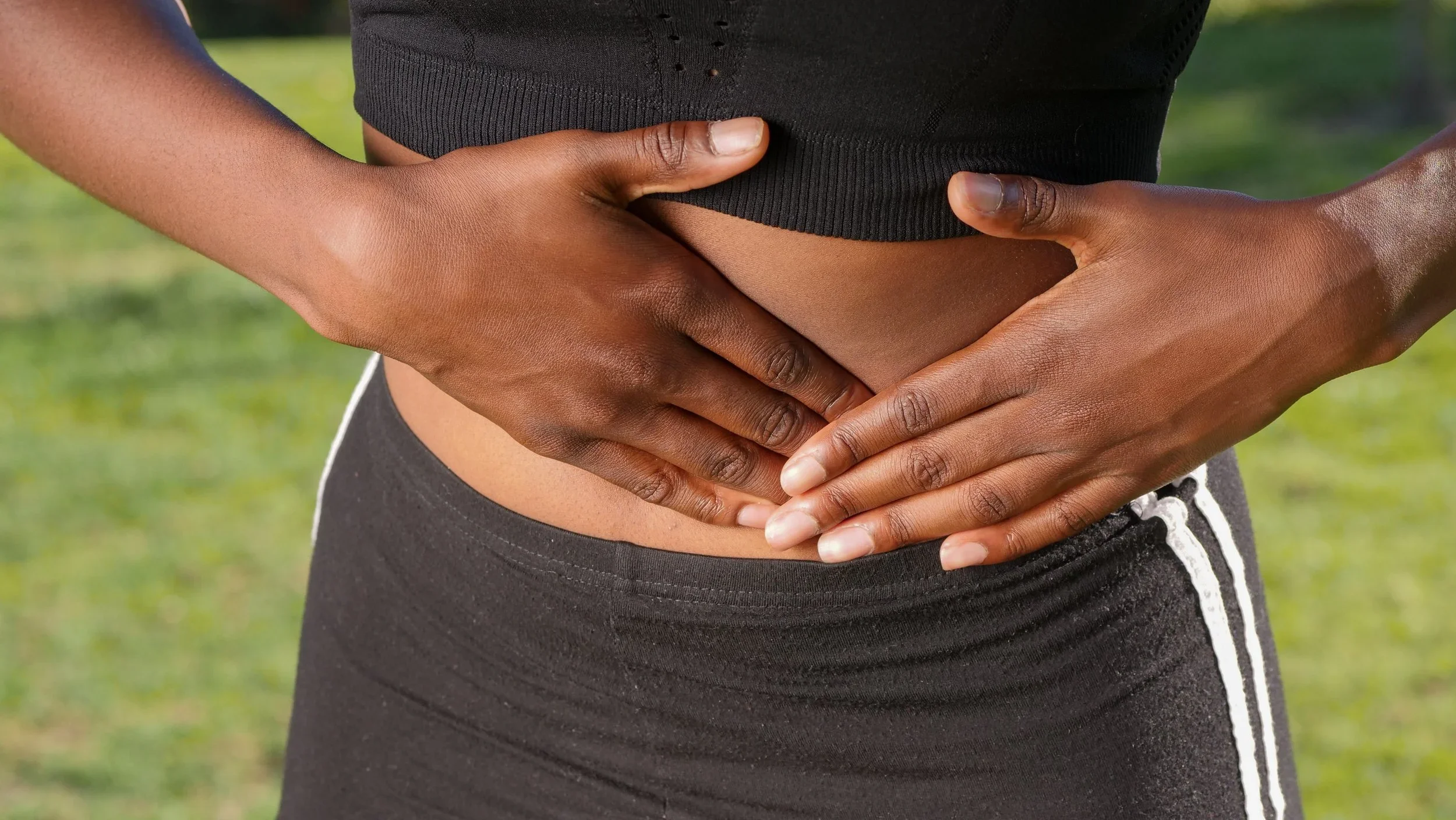
Abdominal massage uses gentle, rhythmic pressure along the digestive tract to stimulate movement, relieve stagnation, and support lymphatic and venous return. It is especially helpful when digestion feels slow, tight, or backed up from stress, tension, or congestion in the gut.
-
👉 Qualities describe the felt nature of a substance or practice, and how it acts in the body beyond nutrients or chemistry.
Mobilizing, circulating, decompressing, grounding, soothing
Mobilizes stuck fluids and gas, circulates blood and lymph, decompresses abdominal pressure, brings awareness back into the body, and soothes sympathetic tension.
-
Primary Actions
Stimulates peristalsis (mechanically activates motility through enteric nervous system)
Increases blood flow to digestive organs
Decompresses trapped gas and relieves abdominal pressure
Activates vagus nerve via deep parasympathetic stimulation
Mobilizes lymph from the intestines (major lymph concentration in the gut / GALT)
Secondary Actions
Relaxes the diaphragm → improves breathing capacity
Releases fascial tension around small intestine and colon
Improves hepatic and portal circulation (supports detox + hormone clearance)
-
Digestive / Gut (Primary Affinity)
Primary Indicated Pattern - Congestive Pressure + Damp Stagnation
Fluid, mucus, gas, or stool stagnate due to lack of movement or stress-induced tension. Examples: mild bloating, sluggish digestion, “stuck” feeling after meals, constipation from tension or inactivity.
Physical movement along the colon mechanically stimulates peristalsis, moves trapped gas, and disperses stagnation. Massage relieves pressure without stimulating or irritating digestion.
Nervous System / Enteric Brain (Secondary Affinity)
Secondary Indicated Pattern - Tension + Dysregulated Tone
Sympathetic activation (fight or flight) disrupts digestion; diaphragm and abdominal wall become tight.
Examples: constipation from stress, IBS symptoms worsened by anxiety, shallow breathing with gut tension.Repetitive circular pressure stimulates the vagus nerve, shifting the body into parasympathetic “rest and digest” mode and releasing abdominal guarding.
-
Lie on back with knees bent.
Use warm oil (sesame for cold/dry terrain, coconut for hot/irritated terrain).
Massage in clockwise direction (the direction the colon moves).
Start in the lower right abdomen, move up → across → down (U-shape).
Pressure: gentle to moderate, never forceful.
Duration: 3–10 minutes
Optimal timing: after meals, or before bed for vagal activation.
Pressure should feel relieving, not deep or sharp.
Visual Tutorial:
-
Best paired with circulating or moistening agents to support movement and clearance:
Warm water with lemon and a pinch of mineral salt
Ginger tea
Stewed fruit (apples/pears) or a small amount of electrolyte water
Mobilize → then hydrate → then eliminate.
-
During acute abdominal or pelvic pain of unknown cause
Pregnancy (unless guided by trained practitioner)
Known or suspected appendicitis
Hernia, abdominal surgery within 3 months
Active inflammatory bowel flare (Crohn’s/UC during acute inflammation)

-
Grundy, D. (2016). Enteric nervous system and control of gut motility. Neurogastroenterology & Motility, 28(4), 514–528.
Lämås, K., et al. (2009). Massage therapy increases parasympathetic activation and reduces abdominal symptoms. Journal of Bodywork and Movement Therapies, 13(4), 412–418.
McSweeney, M., & Steel, A. (2017). Manual abdominal massage improves constipation and quality of life. Journal of Gastroenterology & Hepatology, 32(4), 40–46.
Guyton, A.C., & Hall, J.E. (2020). Textbook of Medical Physiology (14th ed.). Elsevier.
→ Explains vagus nerve role in parasympathetic gut motility.Lad, V. (2002). Ayurveda: The Science of Self-Healing. Lotus Press.
→ Abdominal massage for apana vayu movement (downward flow).
