Essential Oil Bath Therapy
Functional Profile of
Essential Oil Bath Therapy
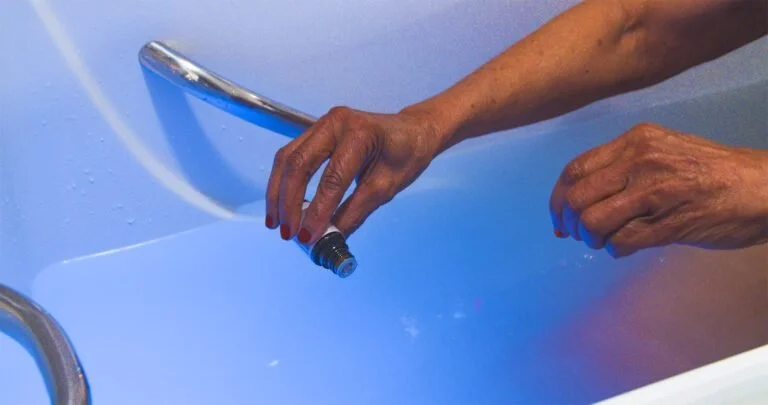
Aromatic hydrotherapy combines a warm bath with aromatherapy and transdermal (skin) exposure to essential oils. Heat relaxes tissue tension and increases circulation, while the volatile oils calm the nervous system, reduce spasms, and support organ function through inhalation and skin contact.
-
👉Qualities describe the felt nature of a substance or practice, and how it acts in the body beyond nutrients or chemistry.
Soothing - Reduces irritation and sensitivity in tissues and nerves. Examples: Lavender, Chamomile (Roman/German), Ylang Ylang, Geranium, Clary Sage) Use when tissues feel hot, irritated, inflamed, or agitated.
Circulating - Encourages movement of fluids (lymph, blood), reduces stagnation and puffiness. Examples: (Eucalyptus, Ginger, Lemon, Rosemary) Use when terrain feels heavy, puffy, stagnant, congested, or sluggish.
Stabilizing - Calms sympathetic activation; shifts body to parasympathetic “rest + digest” mode. Examples: (Frankincense, Cedarwood, Sandalwood) Use when the nervous system or emotions are dysregulated, jumpy, or reactive.
Stimulating - Raises metabolic pace and heat; increases activation and circulation. Examples (Peppermint, Rosemary, Ginger) Use when the terrain is cold, slow, or hypometabolic.
-
Heat relaxes smooth muscle, reducing pain and spasm in the gut or pelvic floor
Inhalation of volatile oils activates the vagus nerve, promoting digestion and bowel movement
Transdermal exposure introduces oils to tissue where they influence tone, tension, and circulation
Heat + aromatics increase lymphatic flow and reduce fluid stagnation
Parasympathetic activation → decreases pain perception and anxiety
Warm water + aromatics = vagus nerve activation → gut motility → elimination.
-
Primary Indicated Pattern - Tension / Spasm + Stagnation
Constriction + stuck or unmoving fluids + nervous system activation. Examples: Constipation with cramping, abdominal or pelvic pain, jaw clenching, irritability with tension, pain-spasm cycle.
Heat dilates vessels and relaxes tension, while aromatics reduce spasms, allowing the bowel or muscle to release.
Secondary Indicated Pattern - Dryness + Nervous Agitation
Dehydrated tissues + sympathetic dominance (adrenal activation). Examples: Stress-induced constipation, tension headaches, PMS irritability, agitation with muscle tightness.
Moisture + aromatics + heat soothe irritation and shift body into a calm parasympathetic state.
-
Fill tub with warm (not scalding) water. Combine essential oils with a fat or dispersant (to avoid skin sensitization) then add 1 tablespoon carrier oil (coconut, jojoba, olive). 5 -10 drops essential oil (for adults)
Never add essential oils directly into water. Always mix essential oil into carrier oil first or soap as it binds to oil. Mix 5–10 drops of essential oil into 1 tablespoon of carrier oil or liquid soap before adding to bath water. This ensures the oil disperses into tiny droplets instead of floating as concentrated blobs. Soak for 10–20 minutes while breathing steadily.
Best Soothing Oils for Kids & Sensitive Systems
These are the gentlest:
Lavender
Roman Chamomile
Neroli
Cedarwood
Perfect for baths, sleep, constipation with nervous tension, or emotional overload. Use 1–2 drops only, and avoid strong hot oils like oregano or cinnamon.
-
⛔ Broken or irritated skin
⛔ Pregnancy (avoid certain essential oils)
⛔ Known fragrance sensitivity
⛔ Hot/excitative terrain, avoid stimulating oils (eucalyptus, rosemary)

-
Moss et al., International Journal of Neuroscience: essential oil inhalation influences autonomic nervous system and cortisol response.
Lis-Balchin & Hart, Journal of Ethnopharmacology: peppermint relaxes smooth muscle (antispasmodic effect).
Hydrotherapy literature: heat increases blood flow and reduces muscular guarding and pain perception.
