Chia Seed Gel (Salvia hispanica)
Medicinal Profile of
Chia Seed Gel (Salvia hispanica)
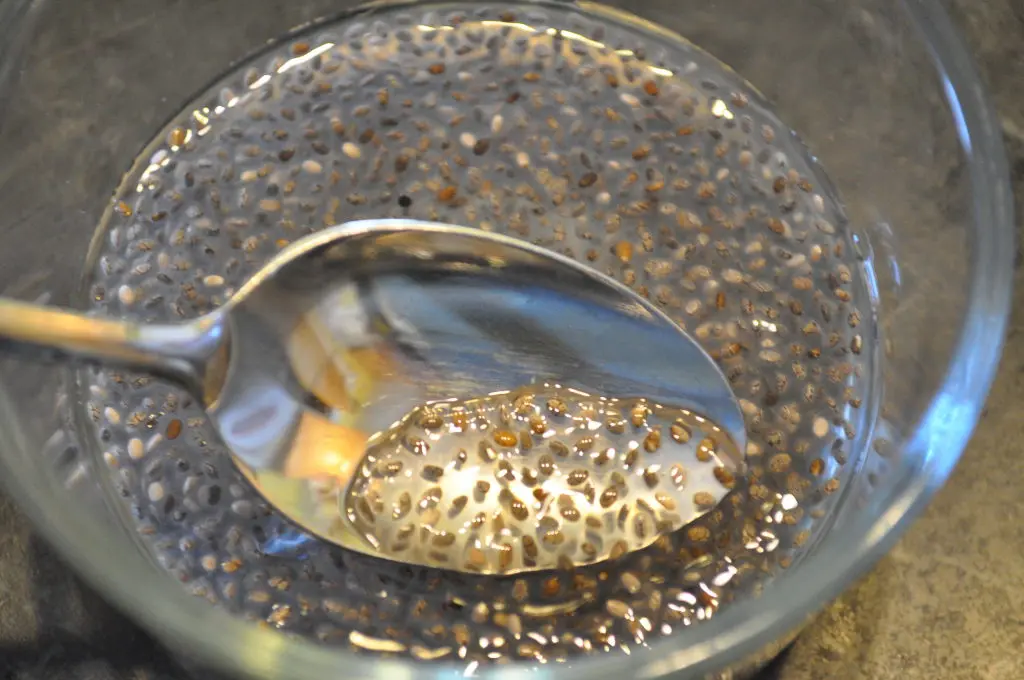
Chia seed gel is a hydrating mucilage agent that draws water into the GI tract and forms a slippery, gel-like coating that reduces dryness and friction in elimination. Unlike Aloe or Plantain, chia’s strength lies in its ability to absorb and hold water creating a long-lasting moisture reservoir. Chia is the only mucilage with omega-3 lubrication and bulk-forming movement.
-
👉 Tastes describe the initial impression an herb leaves on the tongue and reveal its deeper actions in the body.
Bland – Neutral taste indicates nourishment and safe hydration without pushing or forcing.
Mildly Sweet (when soaked) – Results from its carbohydrate content; reflects its moisturizing quality and hydric storage effect.
-
👉Qualities describe the felt nature of a substance or practice, and how it acts in the body beyond nutrients or chemistry.
Moistening – Absorbs water and creates a gel that restores lubrication to dry intestines and mucosa.
Softening – Eases the passage of stool by reducing friction.
Hydric Storage (water-holding) – Holds water and slowly releases it into stools and tissues.
Bulking – Creates gentle stretch in the intestines, stimulating natural peristalsis without irritation.
-
Chia provides:
Soluble and insoluble fiber (mucilage + bulk)
Omega-3 fatty acids (ALA) — supports lubrication and reduces inflammation from dryness
Plant-based protein
Minerals: calcium, magnesium, phosphorus, trace minerals
Chia is unique because it combines mucilage hydration with omega-3 lubrication.
-
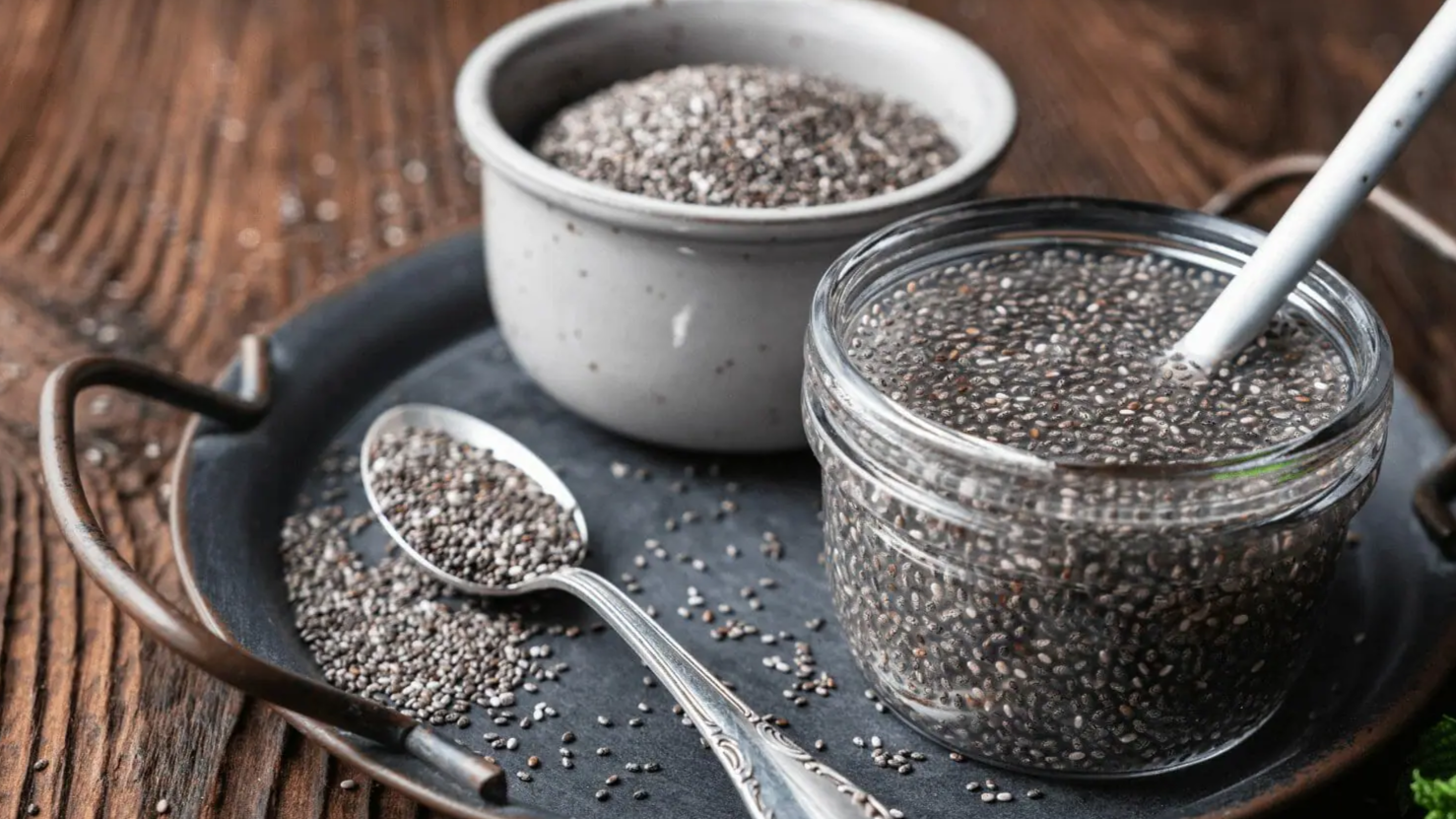
Chia gel (best method): soak 1–2 tbsp seeds in 8–12 oz water until gelled.
Chia slurry: blend pre-soaked chia gel with warm water for faster mucilage activation.
Chia + Aloe: for dry/sticky stool with irritation or burning.
Chia + Marshmallow: for dryness + mucosal depletion.
Must be consumed soaked. Dry chia = worsens dryness.
Indicated Patterns by Affinity
👉 Indicated patterns describe the functional state of the body and its organs and/or tissues, showing whether they are dry, atrophied, too damp (pressure), stagnant, lax, inflammed, sluggish, tense or underactive. The Primary Indicated Pattern is the main state where this remedy works best. Secondary Indicated Pattern(s) are the patterns that often develop over time when the primary state is left unaddressed. The primary pattern must be supported first, as this allows the secondary patterns to naturally ease or resolve.
👉Affinities are the organ systems and tissues where the remedy acts most strongly.
-
Dry Mucosa (Primary) —
Dry or sticky mouth sensation, especially upon waking or fasting.Chia gel hydrates and coats oral mucosa when swished before swallowing.
-
Dry Mucosa (Primary Indicated Pattern) -
When stool lacks moisture and lubrication, making elimination strained, dry, or painful.
Examples: pellet-like stools, hard stool that requires straining, “scratchy” stool sensation.Chia’s moistening + hydric storage action holds water in the stool, while the gel coats the intestinal lining and reduces friction.
Hypometabolic + Dry (Secondary Indicated Pattern) -
Dry stool plus sluggish peristalsis or low movement from depletion or low fluid status.
Examples: infrequent stool, stool moves only after coffee or magnesium, fatigue paired with constipation.Chia’s bulking and softening effects create a gentle stretch reflex that stimulates motility without irritation or forcing.
-
Because chia contains omega-3s, it helps dryness that expresses as irritation.
Dryness-induced irritability or inflammatory friction (not damp heat)
Dry skin worsened by low dietary fats or hydration
Feeling dehydrated even when water intake is high (because water is not being held)
Pattern: Dry inflammatory terrain + low lubrication
-
👉 Medicinal actions describe the specific ways a food influences organ systems and body functions.
Digestive System
Bulk-forming laxative / High-fiber laxative
Hydrated mucilage expands in the intestinal lumen, increasing stool mass and triggering physiological peristalsis via the stretch reflex — without irritating or forcing bowel movement.Hydric stool-softening agent (moisture retention)
Soluble fiber binds water and retains it within stool, increasing moisture content and reducing stool hardness associated with dehydration and inadequate lubrication.Lubricating laxative (omega-3 mediated)
The intrinsic lipid content (ALA omega-3 fatty acids) coats stool and intestinal walls, decreasing friction and easing painful defecation caused by dry, abrasive stool.Demulcent (localized mucosal soothing)
The gel provides a slippery barrier between stool and mucosa, reducing irritation of dry or reactive intestinal surfaces during transit.Laxative
Combines hydration + bulk + lubrication into one mechanism that supports complete evacuation in cases of dry constipation.Demulcent
When swished before swallowing, the gel coats oral mucosa and alleviates dryness or friction from dehydration or mouth breathing.Nervous System
Cholinergic (supports parasympathetic motility signaling)
Stimulates acetylcholine-mediated enteric nervous system activity, supporting natural bowel motility in individuals with sluggish peristalsis due to hyporesponsive digestion.Metabolic / Endocrine System
Glycemic-modulating / Lowers blood sugar
The mucilage matrix slows gastric emptying and glucose absorption, flattening post-prandial blood sugar spikes and reducing glycemic load.Cardiovascular System
Antioxidant / Anti-irritative
Omega-3 fatty acids and polyphenols exert mild antioxidant effects, reducing irritation or inflammatory friction associated with dryness or inadequate tissue lubrication. -
👉 Constituents are the natural compounds in a food that give rise to its actions in the body.
Mucilage polysaccharides – Form a gel that holds water and coats tissues.
Omega-3 fatty acids (ALA) – Provide internal lubrication and tissue-soothing properties.
Soluble fiber – Softens stool and improves moisture retention.
Insoluble fiber – Adds bulk and encourages motility.
-
Chia gel (soaked) 2nd Degree - Gentle + effective Best form for hydration and lubrication.
Chia slurry (water + pre-gelled seeds blended) 2nd Degree - Faster onset Faster mucilage activation = quicker relief.
Dry chia (not recommended) Zero benefit / can worsen dryness Mucilage must be hydrated before consumption.
-
May slow absorption of medications due to mucilage coating - separate meds by 2 hours.
Avoid dry chia in dysphagia or swallowing issues.
-
Must be fully hydrated - dry chia may cause choking or worsen dryness.
Avoid if bowel obstruction is present.
Start small (½–1 tbsp) and increase slowly.

-
Traditional / Historical
Indigenous Mesoamerican use as hydration + stamina food
Aztec and Tarahumara cultural use for electrolyte and hydration support
Modern Sources
Clinical fiber-hydration studies (soluble mucilaginous fiber)
Journal of Food Science & Technology: chia mucilage polysaccharide hydration
Omega-3 studies related to anti-inflammatory and lubrication roles
