Orange, Fresh (Citrus sinensis)
Medicinal Profile of
Orange, Fresh (Citrus sinensis)
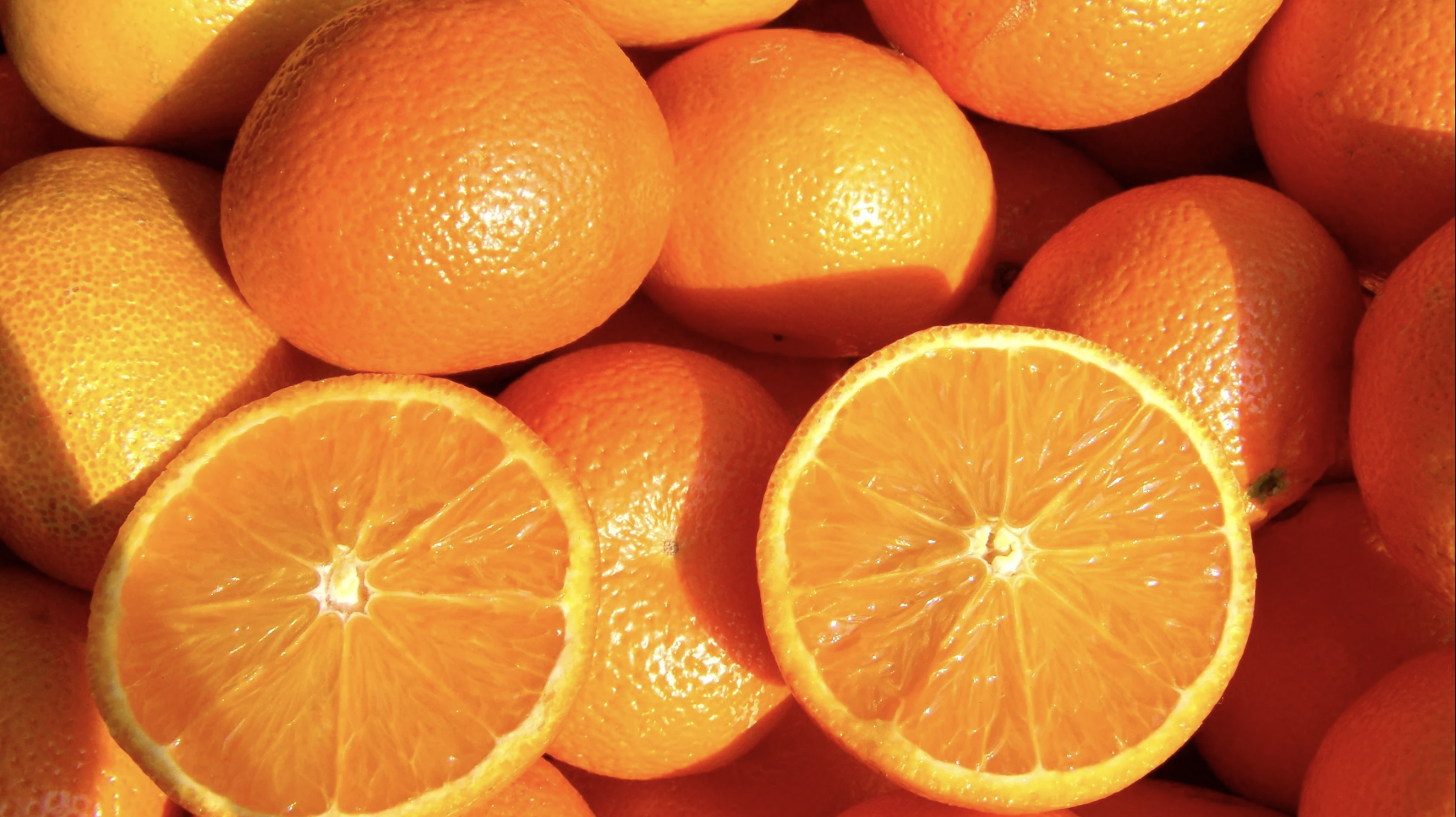
Fresh oranges are bright, uplifting, and hydrating fruits that bring both movement and moisture to the body. In the short term, they awaken digestion, stimulate mild circulation, and clear heaviness, creating a gentle sense of warmth or vitality as the blood begins to move. Over the long term, they help cool excess internal heat, cleanse mild congestion, and rehydrate tissues, particularly in those prone to dryness or tension.
Their natural balance of sweet and sour tastes makes them ideal for cold, dry, or sluggish terrains that need moisture and activation, as well as for warm, congestive states that need gentle clearing. The sour aspect encourages bile flow and metabolic movement, while the sweet aspect stabilizes, hydrates, and soothes irritation.
When eaten fresh and at room temperature, oranges help restore digestive rhythm, mental clarity, and smooth circulation without overstimulation. They serve as both a cleanser and a light nourisher, refreshing to the body and spirit.
-
👉 Tastes describe the initial impression a food or herb leaves on the tongue, and they reveal its deeper actions in the body, shaping digestion, circulation, and tissue response.
-
👉Qualities describe the felt nature of a substance or practice, and how it acts in the body beyond nutrients or chemistry.
Short-Term Effects
Activating – Quickly awakens digestion and focus, improving energy and circulation.
Light – Eases heaviness or dullness after meals, brightening mood and clarity.
Cooling – Quenches thirst and calms surface heat or mild inflammation.
Long-Term Effects
Stabilizing – Balances metabolic overactivity and supports gentle detoxification.
Circulating – Maintains smooth blood and lymph flow, preventing stagnation and puffiness.
Moistening – Gradually restores hydration to tissues, softening dryness in the skin, bowels, and liver.
-
Oranges are rich in vitamin C, bioflavonoids (especially hesperidin and rutin), folate, and pectin fiber, which together support immune resilience, connective tissue repair, and detoxification. Their natural acids (citric and malic) enhance mineral absorption, while potassium aids fluid balance.
-
Eat fresh at room temperature for best digestive compatibility.
Ideal mid-morning or afternoon to refresh energy and support circulation.
Avoid with heavy, oily, or dairy-based meals to prevent fermentation.
Combine with a pinch of mineral salt or warm water for those with very cold and sluggish digestion.
Indicated Patterns by Affinity
👉 Indicated patterns describe the functional state of the body and its organs and/or tissues, showing whether they are dry, atrophied, too damp (pressure), stagnant, lax, inflammed, sluggish, tense or underactive. The Primary Indicated Pattern is the main state where this remedy works best. Secondary Indicated Pattern(s) are the patterns that often develop over time when the primary state is left unaddressed. The primary pattern must be supported first, as this allows the secondary patterns to naturally ease or resolve.
👉Affinities are the organ systems and tissues where the remedy acts most strongly.
-
Dryness + Congestive/ Hypofunctional – When the liver is sluggish or underactive, leading to dullness, poor bile flow, or cold stagnation. Examples: fatigue after meals, pale stools, dull complexion, irritability from slow detoxification.
Oranges gently activate circulation and bile flow without overheating the system. Their light acidity and aroma wake up liver movement, while the sweet moisture rehydrates tissues and prevents depletion.
Long-Term (Secondary Indicated Pattern):
Inflammatory + Dryness + Tension – When chronic stagnation transforms into low-grade inflammation or tightness in hepatic tissue. Examples: right-sided tension, dryness in skin or eyes, irritability, or mild heat.Over time, the stabilizing and moist qualities calm hepatic irritation, rehydrate tissues, and restore smooth, balanced flow.
-
Short-Term (Primary Indicated Pattern):
Dryness + Tension / Sluggish Digestion – When peristalsis is weak, appetite dull, and stool is hard or slow. Examples: pellet-like stools, bloating, low appetite, or heaviness after eating.
The sour and circulating taste stimulates bile and digestive juices, creating a mild warmth that restores motility. The moist sweetness softens intestinal tissue, promoting smoother elimination.
Long-Term (Secondary Indicated Pattern):
Inflammatory + Dryness + Tension – When sluggish digestion leads to mild reflux, dryness, or heat buildup.
Examples: reflux, dryness in mouth or stool, mild burning from tension.Consistent use hydrates mucosa, balances acidity, and restores tone to the gut, leaving the terrain more fluid and responsive.
-
Short-Term (Primary Indicated Pattern):
Hypometabolic + Congestive + Dysregulated Tone – When circulation is stagnant and the body feels heavy, puffy, or slow to warm. Examples: cold hands or feet, dull complexion, sluggish lymph, or heaviness in the limbs.The lightly activating and circulating nature increases surface flow, improving warmth and oxygenation without overheating.
Long-Term (Secondary Indicated Pattern):
Inflammatory + Dryness + Tension – When long-standing stagnation leads to vascular constriction or dryness. Examples: tight shoulders, facial flushing, or mild blood pressure reactivity.The stabilizing and moist nature hydrates vessels and improves tone, easing long-term tension and reactivity.
-
Short-Term (Primary Indicated Pattern):
Hypometabolic + Dry + Tense – When mental dullness, fatigue, or withdrawal stem from low circulation or overthinking.
Examples: low mood, foggy focus, fatigue in cold weather, or tension after stress.
How it helps: Oranges’ aromatic and sweet elements uplift mood, stimulate mild energy, and bring warmth to the chest and senses — awakening circulation to the head and heart.Long-Term (Secondary Indicated Pattern):
Inflammatory + Dryness + Tension – When chronic mental strain or stress leads to dryness or irritability.
Examples: overactivity, restlessness, or fatigue from overthinking.
How it helps: Over time, hydration and antioxidants soothe the nervous system, supporting calm clarity and balanced mood.
-
👉 Medicinal actions describe the specific ways a food influences organ systems and body functions.
Metabolic / Endocrine System
Metabolic Restorative – Supports cellular energy and oxygen delivery, countering fatigue and low vitality in hypometabolic patterns.
Nutritive & Refreshing – Replenishes vitality through its rich supply of vitamin C, folate, and bioflavonoids that restore tone to depleted systems.
Circulatory System
Antioxidant – Protects capillaries and reduces oxidative stress.
Circulatory Activator – Lightly increases peripheral flow and oxygenation, helping clear congestion and reduce sluggishness without overheating the body.
Circulatory tonic – Improves microcirculation and reduces vascular tension.
Digestive System
Digestive Stimulant – Enhances enzyme and bile activity.
Aperient – Promotes gentle bowel regularity through moisture and pectin.
Sialogogue – Stimulates gentle saliva flow and digestive readiness, helping to moisten dry tissues and awaken sluggish digestion in hypometabolic or dry terrains.
Mild Bitter-Tonic – Enhances appetite and gastric secretions, preparing the stomach for food without overstimulation.
Liver & Detoxification System
Cholagogue – Encourages bile flow and assists in detoxification.
Hepatoprotective – Guards liver cells against oxidative damage.
Hepatic & Lymphatic Detox – Promotes the natural flow of bile and lymph, helping the body release stagnant fluids and metabolic waste. This aids those with congestive or pressure-based terrain patterns.
Nervous System
Uplifting – Improves alertness and mood without overstimulation.
Stabilizing Nervine – Calms mild irritability or heat-related tension.
Circulatory Stimulant & Neuroprotective – Increases mental alertness and focus in the short term by improving cerebral blood flow, while long-term antioxidant effects protect neural tissue from oxidative stress and tension.
Skin & Connective Tissue
Collagen support – Aids skin elasticity and repair.
Anti-inflammatory – Helps reduce redness or irritation from internal heat.
Blood Cleanser – Reduces dullness or puffiness in congestive patterns, reflecting its internal cleansing effects outwardly through the complexion.
Skin Revitalizer – Enhances skin clarity and tone by improving surface circulation and supporting collagen synthesis.
-
👉 Constituents are the natural compounds in a food that give rise to its actions in the body.
Vitamin C (ascorbic acid) – Potent antioxidant and tissue builder.
Hesperidin & Rutin (flavonoids) – Strengthen capillaries and reduce inflammation.
Citric & Malic Acids – Promote detoxification and improve mineral uptake.
Pectin Fiber – Regulates bowel movement and cholesterol levels.
Essential Oils (limonene, linalool) – Circulating, uplifting, and antimicrobial.
-
1st Degree (Mild) – Best for daily support, hydration, and gentle digestive cleansing.
-
May enhance iron and mineral absorption.
Avoid excessive intake with acid-suppressing medications.
Generally safe for daily consumption in food-level doses.
-
Avoid chilled juice or overeating oranges in cold, tense digestion (can slow metabolism).
Limit in active gastritis or reflux if acidity increases discomfort.
Room temperature fruit is best tolerated; cold juice may cause cramping or reflux in dry terrains.

-
Traditional Sources
Described in Mediterranean and Unani texts as a blood-cooling, bile-clearing fruit.
Valued in European herbal dietetics for improving complexion and liver flow.
Used in traditional wellness systems to refresh the mind and clarify the senses.
Modern Sources
Kurowska EM et al., J Nutr, 2000 – “Hesperidin-rich orange juice and vascular protection.”
Gorinstein S et al., Food Chemistry, 2002 – “Comparative antioxidant capacity of citrus fruits.”
Rampersaud GC et al., Nutr Res, 2007 – “Citrus flavonoids and anti-inflammatory mechanisms.”
Serafini M et al., Am J Clin Nutr, 2011 – “Plasma antioxidant response to orange juice intake.”
