
Miswak (Salvadora persica)
Functional Profile of
Miswak (Salvadora persica)
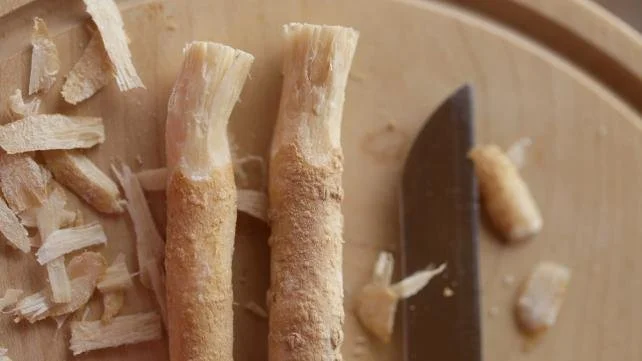
Miswak, made from the twigs or roots of the Salvadora persica tree, is both a natural toothbrush and a therapeutic functional agent that engages the lymphatic, nervous, and oral systems simultaneously. Unlike modern brushes that only clean mechanically, miswak offers a full-body benefit by activating salivary flow, stimulating lymphatic drainage in the head and neck, and calming tension through rhythmic oral movement.
Its mildly pungent and astringent taste awakens digestion, tones oral tissues, and helps rebalance congestive or damp terrain patterns in the head and throat. Miswak is best suited for individuals with signs of congestive, mucous/boggy, or hypometabolic patterns such as sluggish lymph flow, coated tongue, puffiness in the face, brain fog, or oral heaviness.
Over time, regular use helps restore oral and digestive tone, supports lymphatic rhythm, and reinforces the body’s natural self-cleansing cycles, all while connecting the user to an ancient act of mindfulness and purification.
-
Miswak comes from the Salvadora persica tree, a small evergreen shrub or tree belonging to the Salvadoraceae family.
Common names: Miswak, siwak, arak tree, peelu, toothbrush tree
Miswak has been used for over 7,000 years, long before modern toothbrushes existed.
It’s referenced in:Islamic tradition (Sunnah): The Prophet Muhammad ﷺ highly recommended it for cleanliness and spiritual purification, saying it “purifies the mouth and pleases the Lord.”
Ancient Egyptian and Babylonian records: Used for oral hygiene and gum care.
Ayurvedic and Unani medicine: Employed for oral and digestive health, due to its bitter–pungent and mildly astringent nature.
Miswak is still harvested wild in many regions, though some organic farms now cultivate Salvadora persica to ensure purity and sustainability.
The twigs regenerate quickly so when cut responsibly, the tree remains unharmed, making it an ecologically sustainable oral hygiene option. -
👉 Tastes describe the initial impression a food or herb leaves on the tongue, and they reveal its deeper actions in the body, shaping digestion, circulation, and tissue response.
Pungent – Activates the senses, stimulates salivation, circulation, and mild digestive readiness. This sharpness helps move lymph, awaken the mind, and break stagnation in the oral and cranial terrain.
Astringent – Tightens and tones oral tissues, reducing laxity, bleeding, and microbial buildup while improving gum strength.
Slightly Bitter – Cleanses and clears sluggish or congested oral terrain, balancing excess moisture and stimulating mild detoxification through the lymph and saliva.
-
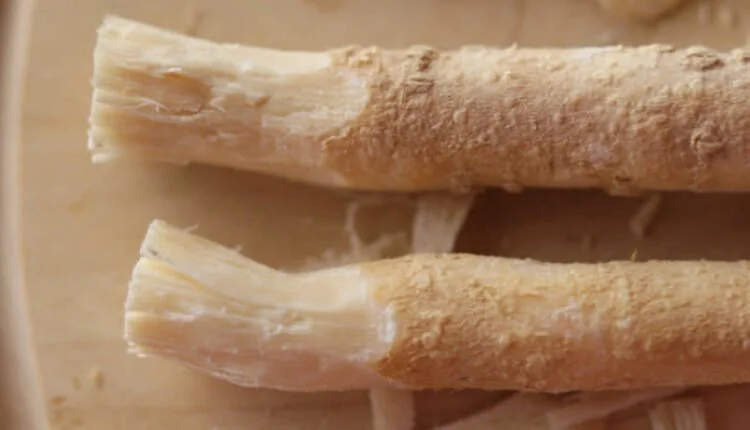
Miswak works through a combination of mechanical, chemical, and neurological mechanisms. When chewed or brushed against the teeth and gums, the fibrous stick creates friction that mechanically removes plaque, food debris, and bacterial biofilm from the oral cavity. Unlike synthetic brushes, miswak fibers fray into natural microscopic bristles that adapt to the shape of the gum line and reach areas commercial bristles cannot.
At the same time, the stick releases phytochemicals directly into the saliva. These include silica, tannins, salvadorine, fluoride, sulfur compounds, flavonoids, and essential oils. Silica provides a gentle abrasive effect that polishes enamel without damaging it, while tannins tighten and tone gum tissue by creating a mild astringent effect. Salvadorine and sulfur compounds exert antibacterial and antifungal effects, reducing microbial load and preventing oral infections. This is why miswak users often report improved gum tone and less bleeding.
Miswak also stimulates saliva production through continuous chewing and cranial nerve activation. Increased salivation changes oral pH, making the mouth less hospitable to pathogenic bacteria and supporting remineralization of enamel. Saliva is alkaline and mineral-rich, so stimulating its flow improves the mouth’s natural ability to buffer acids, repair tissue, and digest the first stage of carbohydrates.
Another mechanism is lymphatic stimulation. Because miswak is held and worked in the mouth rhythmically, it encourages micro-movement of the jaw, cheeks, and tongue, which stimulates lymphatic drainage in the submandibular and cervical lymph nodes. Miswak behaves like a lymph mover for the face, jaw, and head, clearing stagnation and reducing puffiness or congestion.
Finally, miswak engages sensory and neural pathways that influence the nervous system. Its astringent and pungent taste activates the trigeminal and glossopharyngeal nerves, which in turn stimulate parasympathetic tone. The rhythmic chewing motion combined with sensory stimulation sends a calming signal through the vagus nerve, helping shift the body from sympathetic tension into a more regulated, “rest-and-digest” state.
In summary, miswak removes plaque mechanically, delivers antimicrobial and astringent compounds biochemically, stimulates saliva and remineralization physiologically, activates lymphatic movement structurally, and engages cranial nerves neurologically. It is a mechanical tool, a biochemical remedy, and a nervous system regulator all in one.
-
👉Qualities describe the felt nature of a substance or practice, and how it acts in the body beyond nutrients or chemistry.
Astringent – Tightens and tones tissues, particularly the gums and oral mucosa, reducing laxity and bleeding.
Penetrating – Stimulates flow in areas prone to stagnation or congestion, such as the sinuses, glands, and jaw.
Circulating – Encourages mild activation of facial blood and lymph movement through chewing and brushing.
Stabilizing – Calms excess moisture or tension by restoring tone and balance to oral terrain.
-
Chew stick method: Moisten one end of the twig, chew lightly until fibers spread into a brush, and use to gently scrub teeth and gums.
Duration: 2–3 times daily, ideally before prayer, after meals, and upon waking.
Replacement: Trim the used bristles every few days to expose a fresh surface.
Optional: Can be used with a drop of warm water, saltwater, or rosewater for enhanced effect.
Travel use: Compact and antibacterial by nature, making it ideal for cleansing and grounding during travel.
Indicated Patterns by Affinity
👉 Indicated patterns describe the functional state of the body and its organs and/or tissues, showing whether they are dry, atrophied, too damp (pressure), stagnant, lax, inflammed, sluggish, tense or underactive. The Primary Indicated Pattern is the main state where this remedy works best. Secondary Indicated Pattern(s) are the patterns that often develop over time when the primary state is left unaddressed. The primary pattern must be supported first, as this allows the secondary patterns to naturally ease or resolve.
👉Affinities are the organ systems and tissues where the remedy acts most strongly.
-
Primary Indicated Pattern: Congestive + Mucous/Boggy + Tension – When lymph flow and circulation in the mouth and face are sluggish or blocked. Examples: puffy face, jaw tightness, gum congestion, or coated tongue.
The chewing and brushing action acts as a mechanical pump, increasing lymph drainage and circulation in the submandibular and cervical nodes. Its astringent taste tightens tissues and clears excess moisture.
Secondary Indicated Pattern: Hypometabolic + Damp + Dysregulated Tone – When reduced salivation and dullness accompany low digestive activity or a sedentary lifestyle. Examples: dry mouth, sluggish digestion, reduced oral vitality.
Stimulates saliva and digestive enzyme flow via cranial nerve activation, gently awakening the parasympathetic system and enhancing metabolic tone.
-
Primary Indicated Pattern: Tension + Excitation + Congestive Pressure – When chronic jaw clenching or stress manifests in the face and neck.
Examples: TMJ tension, headaches behind the eyes, or facial pressure.The rhythmic chewing and brushing motion releases muscular tension while the mild aromatic taste engages sensory awareness, promoting a calming, grounding effect on the nervous system.
Secondary Indicated Pattern: Hyporesponsive + Depressed Tone – When emotional heaviness leads to stagnation and lack of sensory engagement.
Invigorates subtle sensory pathways, supporting both alertness and emotional circulation.
-
👉 Medicinal actions describe the specific ways a food influences organ systems and body functions.
Oral & Digestive System
Astringent Tonic – Strengthens and tones gums and mucosal tissues, reducing oral bleeding and laxity.
Sialogogue – Promotes saliva secretion, aiding enzymatic digestion and hydration of oral terrain.
Antibacterial & Antifungal – Reduces microbial load, preventing halitosis and oral infections.
Lymphatic & Circulatory System
Lymphatic Activator – Stimulates drainage in cervical and facial nodes, reducing puffiness and stagnation.
Microcirculatory Enhancer – Improves local blood flow and oxygenation in oral and sinus tissues.
Nervous System
Parasympathetic Regulator – Activates rest-and-digest responses through oral and vagal stimulation.
Sensory Grounding Agent – Promotes calm focus and emotional clarity through mindful tactile use.
-
👉 Constituents are the natural compounds in a food that give rise to its actions in the body.
Silica – Gently abrasive, polishes enamel and removes plaque.
Tannins – Astringent, tones gums, and reduces microbial adhesion.
Fluoride & Calcium – Strengthen enamel and reduce tooth decay.
Salvadorine (alkaloid) – Mild antimicrobial and anti-inflammatory.
Sulfur compounds & Essential oils – Deodorizing and antiseptic.
Flavonoids & Saponins – Antioxidant and tissue-restorative actions.
-
2nd Degree (Moderate) – Acts both locally and systemically when used regularly; safe for daily use and deeply regulating for oral and lymphatic terrain patterns.
-
When swallowed in excess, may interact with strong astringents or iron supplements due to tannin content.
-
Avoid vigorous scrubbing if gums are bleeding or inflamed; use gentle pressure.
Not suitable for individuals with extreme dryness or active ulcerations.
Replace twigs frequently to prevent microbial buildup.

-
Traditional Sources
Prophetic Medicine (Tibb an-Nabawi) – “The miswak purifies the mouth and pleases the Lord.”
Unani texts and Ayurvedic oral hygiene manuals – noted for stimulating saliva, improving digestion, and strengthening gums.
African and Middle Eastern ethnobotanical records – used as an astringent and antibacterial chew stick for centuries.
Modern Sources
Almas K. (2002). The effect of Salvadora persica extract on plaque pH and bacteria.
Ezoddini-Ardakani F. (2010). Ethnobotanical uses and oral effects of miswak (Salvadora persica).
Sofrata A. et al. (2011). Antibacterial properties and chemical composition of Salvadora persica essential oils.
