
Peppermint, Dried (Mentha piperita)
Medicinal Profile of
Peppermint, Dried (Mentha piperita)
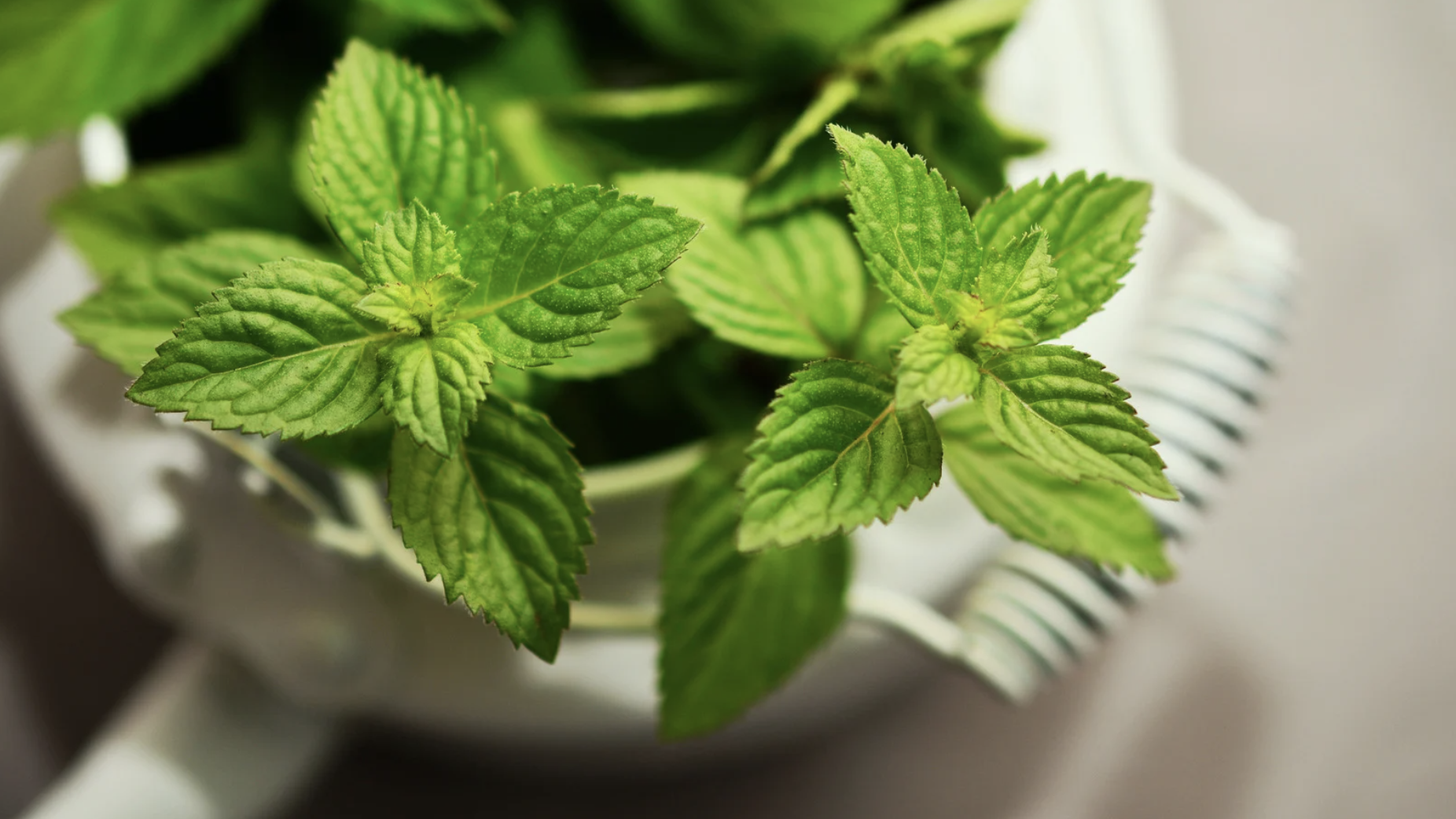
Peppermint, Dried (Mentha Piperita) is a stabilizing, aromatic herb best known for easing digestive spasms, clearing respiratory passages, and calming tension in the nervous system. Unlike the highly concentrated essential oil, the dried leaf offers a gentler but still effective action, making it suitable for teas and everyday formulas. Its carminative and antispasmodic properties help relieve gas, bloating, and cramping thats stems from excitation + tension, while its menthol vapors open congested sinuses and soothe irritated throats. Peppermint also stabilizes feverish heat, eases tension headaches, and refreshes the body when sluggish or stagnant.
-
👉 Tastes describe the initial impression a food or herb leaves on the tongue, and they reveal its deeper actions in the body, shaping digestion, circulation, and tissue response.
Aromatic/Pungent – Circulating, disperses stagnation, uplifts mood.
Bitter (mild) – Stimulates digestion, clears heat.
-
👉Qualities describe the felt nature of a substance or practice, and how it acts in the body beyond nutrients or chemistry.
Stabilizing – Reduces heat, inflammation, or excess stimulation.
Circulating – Promotes flow in the blood, energy, and lungs.
Relaxing – Releases muscle and nervous tension.
Drying (mild) – Helps reduce excess mucus and dampness.
-
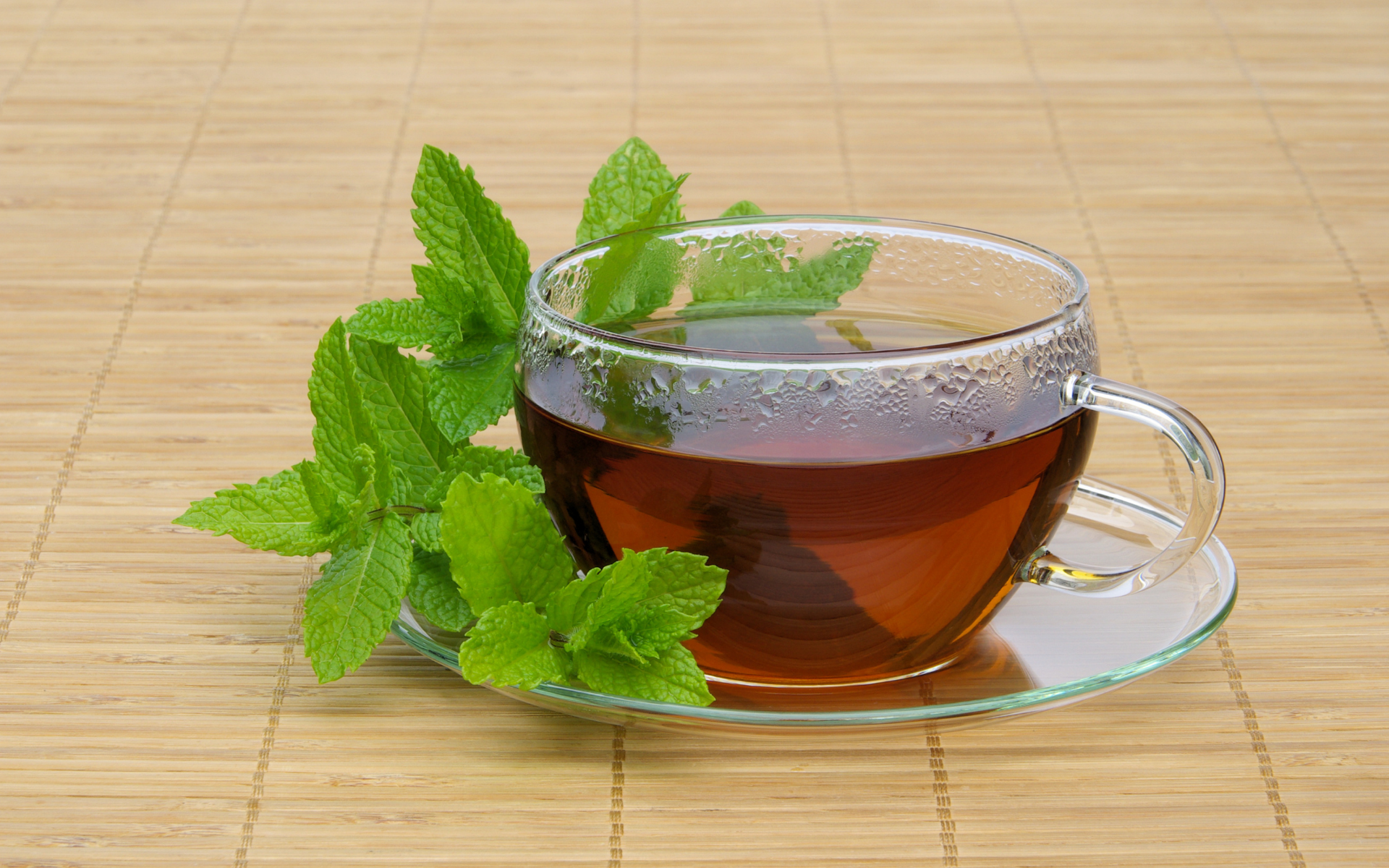
Infusion (tea): 1–2 tsp dried leaf per cup, steeped 10 minutes; relieves digestive discomfort, colds, and mild headaches.
Decoction (short simmer): Used less often, as volatile oils dissipate.
Powder: Can be encapsulated or blended into formulas.
Topical wash: Mild peppermint tea applied to skin for itching or inflammation.
Inhalation (steam): Dried leaves in hot water for sinus and respiratory clearing.
Indicated Patterns by Affinity
👉 Indicated patterns describe the functional state of the body and its organs and/or tissues, showing whether they are dry, atrophied, too damp (pressure), stagnant, lax, inflammed, sluggish, tense or underactive. The Primary Indicated Pattern is the main state where this remedy works best. Secondary Indicated Pattern(s) are the patterns that often develop over time when the primary state is left unaddressed. The primary pattern must be supported first, as this allows the secondary patterns to naturally ease or resolve.
👉Affinities are the organ systems and tissues where the remedy acts most strongly.
-
Congestive (Primary Indicated Pattern) – When sluggish digestion and microbial overgrowth create heaviness, bloating, or gas. Examples: Bloating with sluggish elimination, Foul-smelling gas from dysbiosis, Heaviness after meals with poor clearance.
Irritative (Secondary Indicated Pattern – soothing relief only if dryness is not the root) – When heat or raw irritation in the gut causes burning or discomfort. Examples: burning acid reflux, burning indigestion from spicy foods, irritated, inflamed gut lining (non-dry).
Tension (Secondary Indicated Pattern) – When spasmodic tightening in the gut leads to trapped gas, cramping, or gripping discomfort.
Examples: IBS-type bloating with spasms, nervous gut with fluttering cramps, sharp gripping pain eased after gas passes.Peppermint stabilizes and soothes irritation and inflammation from congestion, but can aggravate dry/atrophic inflammation and digestion by dispersing too strongly.
-
Excitation (Primary Indicated Pattern) – When nervous activity is overstimulated, leading to tension, spasm, or racing mind. Examples: Head tension or mild headaches, Nervous agitation with tension overlay, Stress-related GI spasm (gut–nerve link).
Erratic Regulation (Secondary Indicated Pattern) – When the nervous system flips between restlessness and fatigue. Examples: Restless sleep with digestive tension, Energy swings tied to nervous strain, Cyclical tension–relaxation misfires.
Volatile oils (menthol, menthone, menthyl acetate) are aromatic and dispersive so they open circulation, clear heat, and move stagnation. This can feel like a soothing and cooling relief in someone who’s boggy, heavy, or overheated. But in a person who’s already dry, depleted, tense, or undernourished, that dispersal can push the nervous system into more excitation, a kind of over-stimulation. Similar to someone becoming jittery from coffee which has volatile oils as well.
-
Congestive (Primary Indicated Pattern) – When mucus stagnates in the sinuses or chest. Examples: Boggy sinus congestion, Phlegmy cough with sluggish clearance, Thick mucus from colds.
Tension (Secondary Indicated Pattern) – When spasmodic tightening in the airways causes constriction or repetitive coughing. Examples: tight, hacking cough that feels stuck, bronchial spasm with wheezing, chest tightness eased by opening vapors.
Excitation (Secondary Indicated Pattern) – When heat-driven irritation inflames airways. Examples: Burning sore throat soothed by cooling vapors, Hot, inflamed sinuses, Irritative cough worsened by heat.
-
Congestive (Primary Indicated Pattern) – When peripheral circulation is sluggish or stagnant.
Examples: heaviness in the head from poor blood flow, dull pressure in temples, cold extremities that improve with aromatic dispersal.Tension (Secondary Indicated Pattern) – When vessels or tissues tighten under tension. Examples: Tension-type headaches (vasoconstrictive overlay), Restricted circulation with nervous strain.
-
👉 Medicinal actions describe the specific ways a food influences organ systems and body functions.
Digestive System
Carminative – Relieves bloating, gas, and sluggish digestion by relaxing gut muscles.
Antispasmodic – Reduces cramping and intestinal spasms.
Bitter Tonic (mild) – Stimulates appetite and digestive secretions.
Antiemetic – Eases nausea and queasiness.
Respiratory System
Decongestant – Clears mucus and opens nasal passages.
Expectorant (mild) – Promotes expulsion of mucus from the lungs.
Bronchodilator (mild) – Relaxes airways and improves breathing.
Antimicrobial (volatile oils) – Inhibits bacteria and viruses in the respiratory tract.
Nervous System
Nervine Relaxant – Calms nervous tension and restlessness.
Analgesic (mild) – Reduces pain, especially headaches or tension-related discomfort.
Sedative (mild) – Supports rest in states of agitation or heat.
Circulatory System
Circulatory Stimulant (mild) – Moves blood, especially to the skin and head.
Vasodilator – Relaxes and widens blood vessels, reducing tension headaches.
Stabilizing Diaphoretic – Promotes sweating to release irritation and clear fevers.
Integumentary System
Antipruritic (mild topical) – Reduces itching and irritation.
Anti-inflammatory (mild topical) – Cools and soothes inflamed skin.
-
👉 Constituents are the natural compounds in a food that give rise to its actions in the body.
Volatile Oils (1–2%): Menthol, menthone, menthyl acetate → cooling, analgesic, antispasmodic, antimicrobial.
Flavonoids: Luteolin, hesperidin → antioxidant, anti-inflammatory.
Phenolic Acids: Rosmarinic acid, caffeic acid → antioxidant, antimicrobial.
Tannins: Mild astringency.
Bitter Principles: Support digestive stimulation.
-
Infusion (tea): 2nd Degree – Reliable digestive, respiratory, and nervous support.
Powder/capsules: 2nd Degree – Concentrated but less aromatic than tea.
Topical wash/inhalation: 2nd Degree – Direct cooling and decongestant effects.
Essential oil (from dried leaf, external use only): 3rd–4th Degree – Highly concentrated, requires caution.
-
May reduce absorption of iron if consumed in large amounts with meals.
Caution with gastroesophageal reflux (can relax lower esophageal sphincter and worsen heartburn).
-
Generally safe in tea form, including for children.
Avoid excessive use in those with reflux/GERD.
Essential oil should not be used internally and must be diluted topically to avoid skin irritation.

-
Traditional Sources
Dioscorides. De Materia Medica (1st century CE). (Peppermint as digestive and aromatic remedy.)
Culpeper, N. (1652). The English Physician. (Peppermint for stomach weakness and to “warm a cold brain.”)
Modern Sources
McKay, D. L., & Blumberg, J. B. (2006). “A review of the bioactivity and potential health benefits of peppermint tea.” Phytotherapy Research, 20(8), 619–633.
Kennedy, D. O., et al. (2011). “Modulation of mood and cognitive performance following acute administration of single doses of peppermint essential oil.” Nutritional Neuroscience, 14(2), 59–66.
Shah, A. J., et al. (2014). “Mechanisms underlying the spasmolytic and bronchodilatory effects of Mentha piperita.” International Journal of Pharmacology, 10(8), 456–463.
