Non-Restrictive Clothing
Functional Profile of
Non-Restrictive Clothing

Non-restrictive clothing refers to garments that allow full expansion of the abdomen, ribs, pelvis, and lymphatic pathways. Clothing is not passive; it behaves like a structural influence on physiology. Tight clothing restricts lymphatic drainage, digestion, and breath expansion. Non-restrictive clothing allows natural circulation and movement, helping the terrain restore flow.
This functional agent supports terrains marked by congestion, pressure, tension, bloating, pelvic stagnation, shallow breathing, or low metabolic output. When the lymphatic system and abdomen are compressed, waste fluid accumulates and creates stagnation. When clothing is loose, the body can regulate temperature, breath, circulation, and elimination with less friction or resistance.
Loose clothing = flow. Tight clothing = stagnation.
-
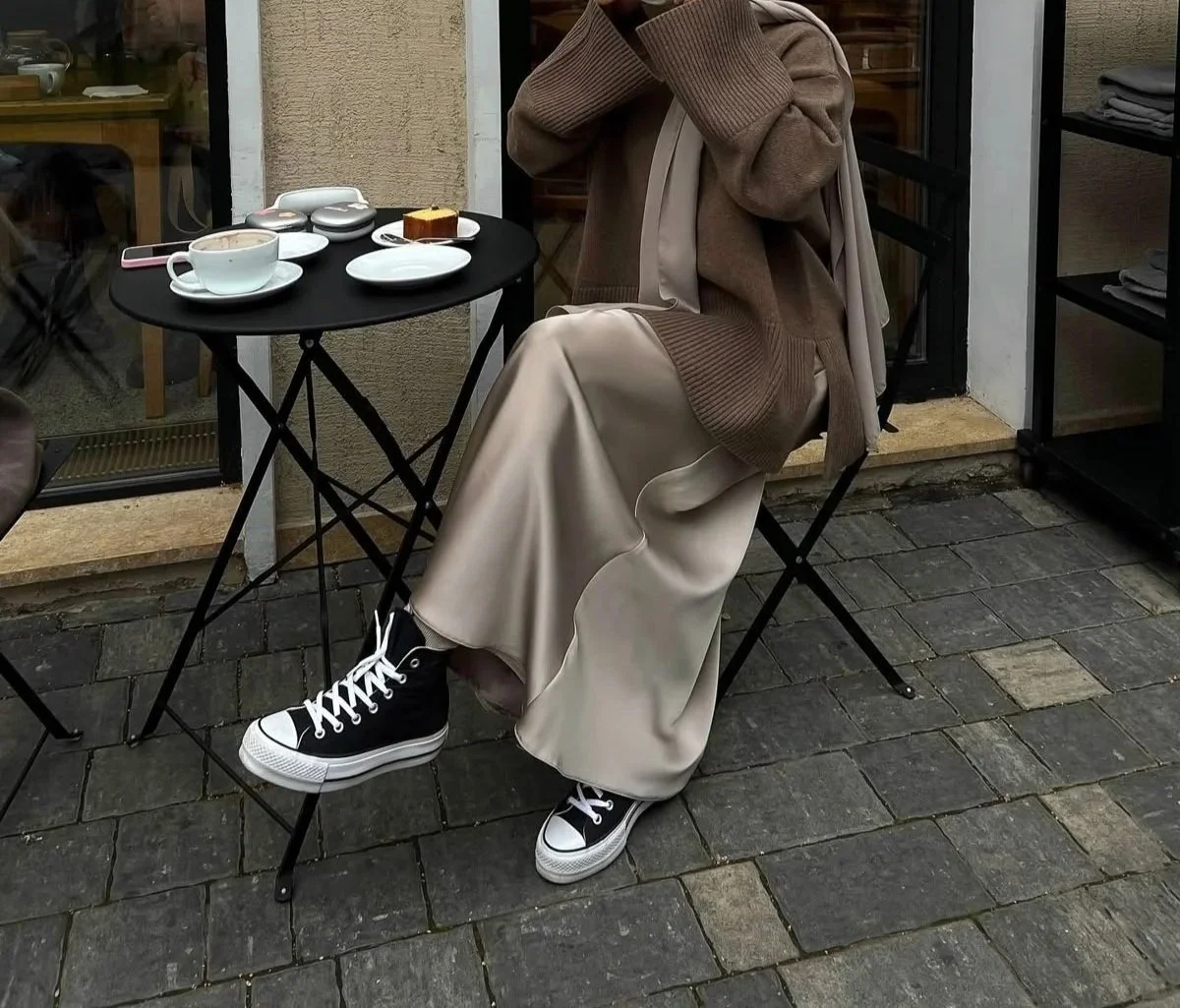
Historically, many cultures have favored loose garments (thobes, abayas, tunics, robes, saris, kimonos). These were not designed for fashion trends, but because humans intuitively understood that the body functions best when it is not compressed. Modesty in traditional cultures was not only spiritual and religious; it was biologically intelligent.
-
👉Qualities describe the felt nature of a substance or practice, and how it acts in the body beyond nutrients or chemistry.
Light – Reduces heaviness or pressure in the body, creating a sense of ease, mobility, and freedom of movement.
Circulating – Promotes movement, flow, and distribution of fluids, heat, or energy throughout the tissues.
Stabilizing – Calms excess movement or overactivity, bringing structure, balance, and regulation to tissues or systems.
Grounding – Draws energy downward into the body, encouraging presence, relaxation, and nervous system settling.
-
Non-restrictive clothing allows the diaphragm, abdominal organs, and lymphatic vessels to expand fully. The lymphatic system has no pump and relies completely on muscle movement and space to flow. Tight waistbands, leggings, shapewear, or bras physically compress lymphatic vessels and reduce circulation to the intestines and reproductive organs.
Restrictive clothing compresses the diaphragm, forcing shallow breathing.
Shallow breathing decreases oxygenation and slows metabolism.
Slowed metabolism creates hypometabolic terrain.Tight clothing increases sympathetic nervous system activation (fight or flight). Loose clothing supports parasympathetic activation (rest and digest). When the breath can expand, digestion improves. When the abdomen is compressed, digestion stalls.
-
Wear clothing that is loose around the abdomen, pelvis, and ribs. Switch from leggings and tight jeans to flowing pants, skirts, abayas, or robes. After meals, avoid tight waistbands that compress digestion and diaphragm. During menstrual cycles, illness, liver detox phases, or lymph drainage, prioritize loose garments.
Indicated Patterns by Affinity
👉 Indicated patterns describe the functional state of the body and its organs and/or tissues, showing whether they are dry, atrophied, too damp (pressure), stagnant, lax, inflammed, sluggish, tense or underactive. The Primary Indicated Pattern is the main state where this remedy works best. Secondary Indicated Pattern(s) are the patterns that often develop over time when the primary state is left unaddressed. The primary pattern must be supported first, as this allows the secondary patterns to naturally ease or resolve.
👉Affinities are the organ systems and tissues where the remedy acts most strongly.
-
Congestive Pressure + Damp Stagnation (Primary Indicated Pattern)
When lymph is unable to drain due to restriction or compression. Examples: puffiness, cellulite, swollen lymph nodes, breast tenderness, bloating worse after wearing tight clothing.By removing external compression, lymphatic vessels regain space to contract rhythmically, allowing fluid to move from tissues back into circulation.
Tension + Hypometabolic (Secondary Pattern) When shallow breathing and reduced oxygen lower metabolic output. Examples: feeling tired after meals, inability to sweat easily, brain fog from low oxygen, cold hands and feet despite eating enough, fatigue from “lack of air,” low motivation or sluggishness after sitting in tight clothes.
Non-restrictive clothing permits rib and abdominal expansion, improving oxygenation and cellular metabolism.
-
Tension + Dysregulation (Primary Indicated Pattern) When breath and abdominal compression slow digestive motility. Examples: acid reflux, bloating after meals, constipation, “tight belly” sensation.
Removing compression restores diaphragmatic descent, stimulating peristalsis and motility. Deep breathing massages the small intestine and stomach.
Congestive Pressure + Damp Stagnation (Secondary Pattern)
When pelvic congestion leads to heaviness or incomplete elimination. Examples: lower abdominal heaviness after meals, bloating that worsens throughout the day, trapped gas that won’t release until clothing is loosened, pressure in the lower belly when sitting or bending, sensation of “fullness” in the pelvis without a complete bowel movement, or needing to unbutton pants after eating for relief.With more room for circulation, waste products and trapped gas move more freely.
-
Hyper-Responsive + Tension (Primary Indicated Pattern)
When the body is locked in sympathetic (fight or flight) mode due to external constriction.
Examples: anxiety, irritability, tight jaw or shoulders, shallow breathing.Non-restrictive clothing prevents the body from interpreting compression as a threat, shifting toward parasympathetic mode.
-
👉 Medicinal actions describe the specific ways a food influences organ systems and body functions.
Lymphatic Decongestant — Encourages natural lymphatic drainage by restoring physical space for vessels to contract.
Circulation Enhancer — Improves blood flow to digestive and reproductive organs by preventing constriction.
Diaphragmatic Facilitator — Supports full breath expansion, improving oxygen delivery and metabolic output.
Digestive Motility Support — Allows peristalsis to resume by reducing abdominal compression.
Nervous System Regulator — Reduces sympathetic tone and stimulates relaxation.
-
1st Degree (Gentle)
Steady, non-forceful influence that works through removal of interference rather than direct stimulation. -
None.
(Except that people accustomed to compression garments may temporarily feel “unheld.” This is psychological, not physiological.)

-
Preventative measures for lymphedema: Separating fact from fiction. PMC. This article notes that tight garments or bands may lead to lymphatic obstruction by compressing lymph vessels. PMC
Effects of pressure on the skin exerted by clothing on responses of… PubMed. The study observes how pressure from tight clothing enhances sympathetic nervous system activity. PubMed
Nguyen LTN et al., The relationship between compression garments and … Biomedical Engineering Online, 2019. Investigates how compressive clothing influences circulation and metabolic effects. BioMed Central
American Cancer Society, Lymphedema: Symptoms, treatments & causes. This source advises avoiding tight clothing or jewelry to promote lymph fluid drainage. cancer.org
“How Tight Clothes Affect Body & Health” (Cutis Laser Clinics Singapore). Notes that tight-fitting clothes can constrict circulation and impair health. cutislaserclinics.com
