
Tongue Scraping
Functional Profile of
Tongue Scraping
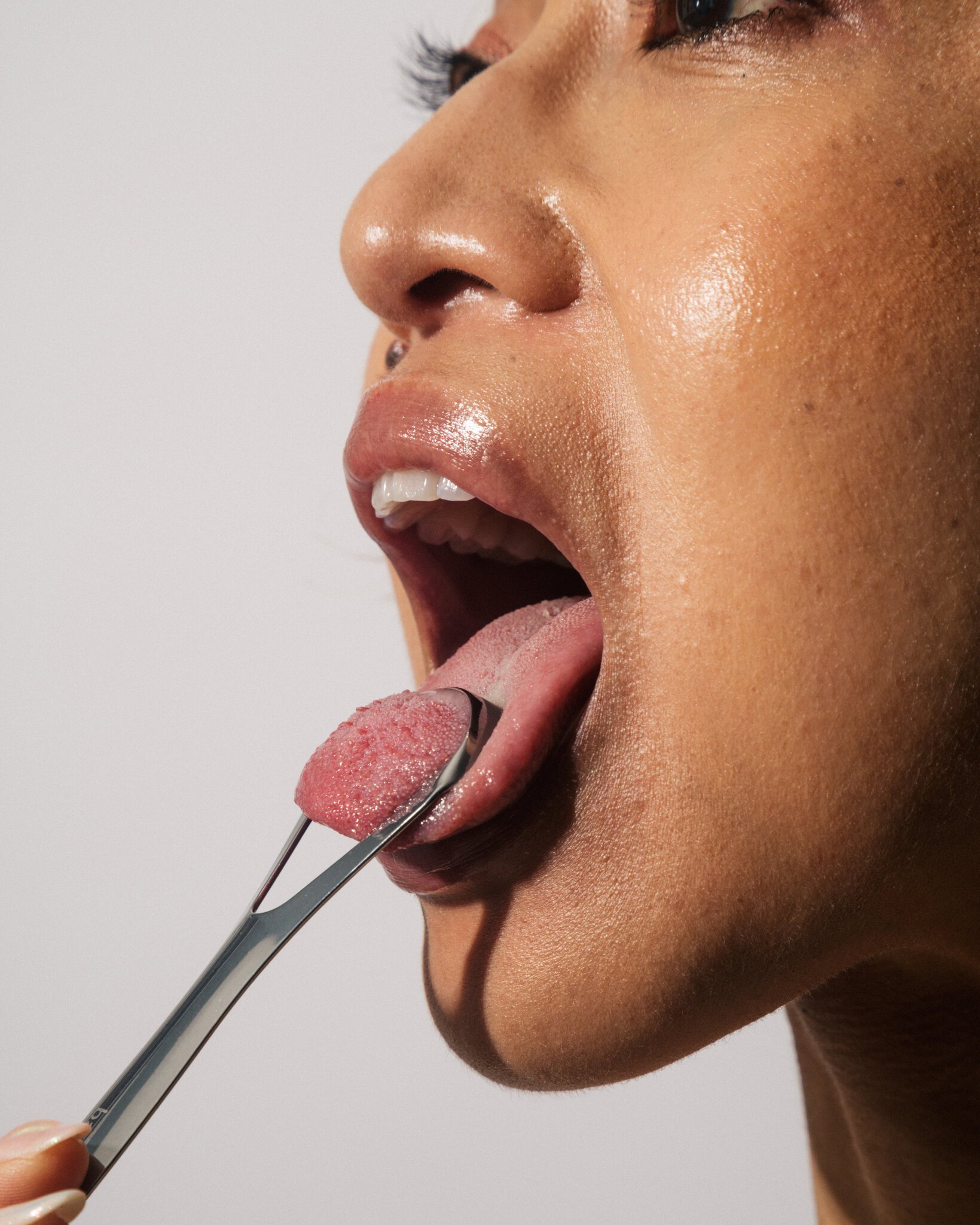
Tongue scraping is a functional agent that mechanically clears buildup from the tongue surface, improving oral terrain, digestion, and lymphatic flow within seconds. Unlike brushing, which pushes debris into crevices, scraping physically removes coating, bacteria, and stagnant mucus from the dorsal tongue, the first checkpoint of digestion and an early indicator of terrain imbalance. The tongue is directly connected to the digestive, lymphatic, and nervous systems. A coated tongue reflects congestive, mucous/boggy, or hypometabolic patterns, where stagnation, dampness, or slowed elimination accumulate. Scraping removes that stagnation at the gateway, improving saliva flow, digestive signaling, taste sensitivity, and breath clarity.
In short term use, tongue scraping reduces oral heaviness, clears mental fog, and awakens digestion. With consistent practice, it restores oral tone, reduces systemic stagnation, and supports lymphatic clarity and elimination. While you can also brush your tongue, studies show that tongue scraping is almost twice as effective for removing bacteria and foul odors. To scrape your tongue you will need a metal or plastic scraper, which you purchase online. Or, in a pinch, you can use a spoon, but this is less effective.
-
Tongue scraping is one of the oldest known oral-hygiene practices in the world. It originated in ancient systems of natural medicine long before the invention of toothbrushes or commercial dental care.
Earliest documentation appears in:
Ancient India (Āyurvedic texts, ~3000–5000 years ago)
Known as jihwa prakshalana or jihwa nirlekhana, tongue scraping was a daily part of dinacharya (morning routine), practiced after waking to remove ama (unmetabolized buildup).Traditional Middle Eastern hygiene practices
Tongue cleaning was used as part of whole-mouth purification along with miswak.Ancient Greek and Roman wellness rituals
Physicians and philosophers documented the use of tongue cleaning tools to improve digestion and halitosis.The practice spread because people immediately noticed better taste perception, lighter breath and improved appetite and digestion
Modern research now confirms what ancient medical systems understood intuitively: the tongue reflects the terrain of the digestive and lymphatic systems, and scraping reduces microbial load and improves taste-nerve signaling.
-
Tongue scraping works through several interconnected physiological pathways that influence digestion, lymphatic movement, nervous system regulation, and the oral microbiome.
The tongue collects a biofilm layer made of bacteria, mucus, dead cells, and metabolic waste. Scraping physically removes this biofilm from the tongue surface instead of pushing it deeper into the papillae, which is what brushing often does. Because nearly half of the bacteria in the mouth live on the tongue, scraping dramatically reduces oral microbial load within seconds. Removing this coating prevents the re-swallowing of bacterial waste, improves breath clarity, and reduces the burden placed on the digestive and immune systems.
When the tongue is scraped, the movement stimulates circulation in the oral mucosa and activates lymphatic drainage beneath the jawline and neck. The tongue sits directly over major lymphatic clusters, so scraping increases lymph flow in the head and neck region. This reduces puffiness, stagnation, sinus pressure, and mucous congestion in the face and throat terrain.
This practice also activates digestion through a neural reflex known as the cephalic phase. Sensory receptors on the tongue are linked to cranial nerves that communicate directly with the stomach, pancreas, liver, and gallbladder. When these nerves are stimulated through scraping, the body begins producing stomach acid, bile, and pancreatic enzymes even before food is eaten. For hypometabolic digestion, scraping acts like a physiological “ignition switch.”
Clearing the coating also improves taste sensitivity. A coated tongue dulls taste receptors and drives cravings for more intense flavors, especially sugar. When the tongue is clear, natural taste perception sharpens, appetite becomes more intuitive, and satiety signals are easier to recognize. Many people find that sugar cravings diminish after scraping because taste receptors are no longer blocked.
Tongue scraping also influences the oral–gut immune axis. The mouth is the first immune checkpoint before substances enter the digestive tract. By reducing bacterial and waste density in the mouth, scraping decreases the endotoxin load reaching the gut and lowers immune burden. This supports terrain regulation not just locally but systemically.
-
👉Qualities describe the felt nature of a substance or practice, and how it acts in the body beyond nutrients or chemistry.
Clearing – Removes buildup and stagnation from the tongue surface.
Circulating – Awakens saliva and improves microcirculation of the oral terrain.
Lightening – Reduces heaviness or dullness in head and mind.
Stabilizing – Helps normalize moisture balance (neither too dry nor too mucous).
-
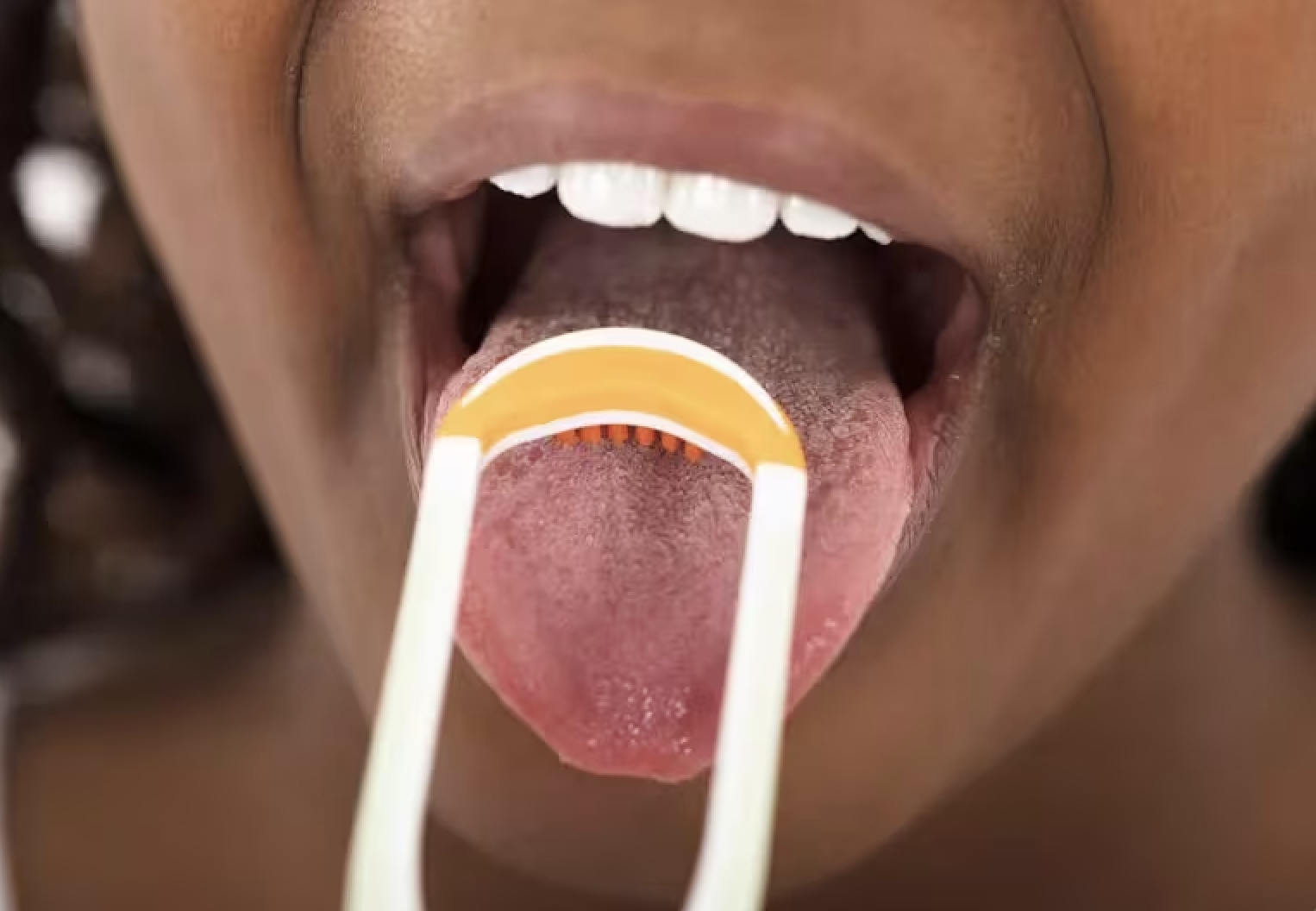
Use a stainless steel or copper scraper (copper has natural antimicrobial qualities).
Gently scrape from back → front of the tongue 5–10 strokes.
Rinse scraper between strokes.
Best time: upon waking, before food or drink.
Optional: Add 1–2 deep nasal breaths between scrapes to engage vagal tone. Add Miswak to routine as well.
If the tongue coating returns quickly, it’s not a tongue problem, it's a digestive or lymph problem.
Indicated Patterns by Affinity
👉 Indicated patterns describe the functional state of the body and its organs and/or tissues, showing whether they are dry, atrophied, too damp (pressure), stagnant, lax, inflammed, sluggish, tense or underactive. The Primary Indicated Pattern is the main state where this remedy works best.
👉Affinities are the organ systems and tissues where the remedy acts most strongly.
-
Primary Indicated Pattern: Congestive + Mucous/Boggy + Hypometabolic
– When coating, puffiness, or sluggish lymph accumulates on the tongue.
Examples: morning coating, bad breath, thick mucus, heaviness in face or throat.Scraping mechanically removes stagnation, reducing microbial load and improving lymph drainage in the head/neck terrain.
-
Primary Indicated Pattern: Hypometabolic + Damp + Tension
– When digestion is slow and appetite signals are dulled.
Examples: lack of hunger on waking, bloating, belching, thick saliva, slow motility.Clearing the tongue restores digestive signaling through cranial nerve pathways and enhances taste → increases digestive juices.
-
Primary Indicated Pattern: Tension + Hyporesponsive
– When mental heaviness, dullness, or low alertness is present.
Examples: brain fog upon waking, mental fatigue, heaviness in the head.Sensory clearing of the tongue increases alertness by activating cranial nerves and improving oxygen signaling.
-
👉 Medicinal actions describe the specific ways a food influences organ systems and body functions.
Digestive System
Digestive Primer – Restores appetite and healthy digestive signaling before the first meal.
Reduces Oral Toxins – Prevents re-swallowing of metabolic waste and bacterial byproducts.
Lymphatic System
Lymphatic Activator (Head & Neck) – Stimulates cervical lymph to drain congestion and puffiness.
Nervous System
Sensory Activation – Increases alertness and clarity by stimulating taste pathways connected to cranial nerves.
Immune System
Reduces Microbial Load – Removes biofilm, reducing bacterial burden on oral immunity.
-
👉 Constituents are the natural compounds in a food that give rise to its actions in the body.
-
1st Degree (Mild–Moderate)
Safe for daily use.
Acts immediately on oral terrain and indirectly on systemic terrain. -
Avoid scraping too aggressively (can irritate taste buds or papillae).
If tongue is painful, cracked, severely dry, or ulcerated, wait until tissue calms.
Recent oral surgery, extractions, burns, open cuts, or active mouth ulcers, higher risk of injury/bleeding and delayed healing. Resume only after full mucosal healing.
Strong gag reflex or nausea; start shallow or avoid.
Not recommended during active thrush unless done gently and with guidance. Stop if you see persistent redness, bleeding, or pain and consult a dentist.

