
Rebounding (Mini Trampoline, 2–5 minutes)
Functional Profile of
Rebounding (Mini
Trampoline, 2–5 minutes)
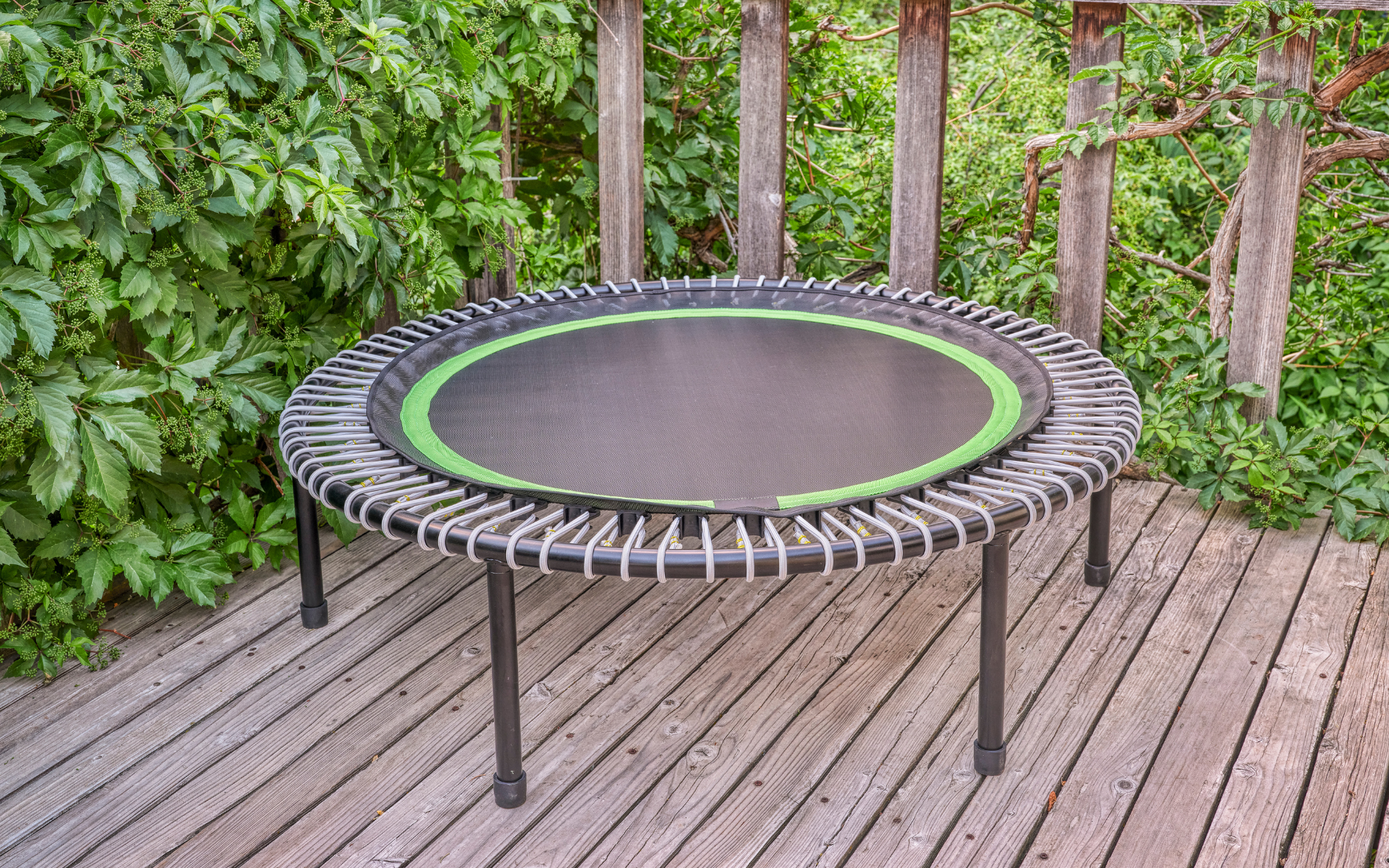
Rebounding is a short, rhythmic bouncing movement on a mini trampoline that creates gentle full-body circulation and stimulates lymphatic drainage. Even 2–5 minutes increases fluid movement, lowers stagnant pressure, and clears heaviness without exhausting the nervous system.
-
Mobilizing, circulating, rhythmic, lightening, uplifting
(Functional agents don’t have taste, but they DO have physiological qualities. These express the physiological effect on terrain.)
————————————————-
Physiological Effects
Primary Actions
Lymphatic pump — increases lymphatic flow by creating rapid pressure changes in tissues
Microcirculation activation — improves venous return and peripheral blood flow
Fascial hydration — rhythmic impact increases fluid movement through fascia
Vestibular nervous system stimulation — rhythmic motion regulates autonomic tone
Mild endocrine balancing — immediate cortisol reduction following rhythmic movement
Mitochondrial stimulation (low-impact gravitational load improves mitochondrial function)
Secondary Actions
Improves elimination of metabolic waste via lymph + circulation
Enhances oxygen delivery to tissues
Supports bowel motility (lymph–gut connection)
Improves mood and cognitive clarity (dopamine + endorphin release)
Strengthens pelvic floor + postural engagement without strain
-
2–5 minutes on a mini trampoline (light bouncing, feet do not need to leave the mat)
Focus on gentle rhythmic pumping, not intensity
Stop while you still feel energized (don’t push into fatigue)
Timing options:
Morning: reduces puffiness and stimulates flow
Mid-day: counters stagnation from sitting
Pre-walk: activates circulation for better fat-to-fuel conversion
Energetic Pairings (Food or Herb Synergy)
Best paired with stabilizing or diuretic foods/herbs afterward to clear mobilized stagnation:
Cucumber, celery, parsley, dandelion leaf tea, nettles
If puffy + congested, finish with warm lemon water + pinch of mineral salt
Pairing rule: Mobilize → then stabilize/excrete.
Results Timeframe
Immediate: reduced puffiness, lighter legs, improved mood
Short term (1–2 weeks): improved bowel regularity, lymph flow, steadier energy
Long term (4–6 weeks): reductions in congestion patterns and retained fluid
-
Vertigo or unexplained dizziness
Recent ankle/foot/knee surgery
Severe pelvic organ prolapse
Active inflammatory flares in joints
(If prolapse is mild, a pelvic-floor–engaging rebound can sometimes be modified, but avoid aggressive bouncing.)
-
No direct interactions.
However:If someone is on diuretics, rebounding may amplify effects (more urination afterward).
If someone takes blood pressure medications, they may feel lightheaded initially due to circulation shifts.
Indicated Patterns
👉 Indicated patterns describe the functional state of the body and its organs and/or tissues, showing whether they are dry, atrophied, too damp (pressure), stagnant, lax, inflammed, sluggish, tense or underactive. The Primary Indicated Pattern is the main state where this remedy works best. Secondary Indicated Pattern(s) are the patterns that often develop over time when the primary state is left unaddressed. The primary pattern must be supported first, as this allows the secondary patterns to naturally ease or resolve.
-
Primary Affinity (Organ System): Lymphatic / Cardiovascular / Fascia & Circulation
Damp + Congestive Pressure (lymph stagnation + heaviness)
Excess fluid or metabolic waste accumulates in tissues due to poor circulation or lymphatic flow.Examples: Puffy face or eyelids upon waking, Heaviness in legs, retention around hips/abdomen, Sluggish energy / "blah" feeling
Rebounding compresses and decompresses tissues rhythmically, acting like a manual pump for the lymph. This mobilization improves drainage and moves stagnation without draining metabolic reserves.
-
Depressed / Hyporesponsive (underactivity + low tone)
Energy feels flat, stuck, or difficult to mobilize; body feels heavy rather than tense or anxious.Examples: Low motivation, Post-viral sluggishness, Emotionally flat or unmotivated states
The rhythmic bounce stimulates vestibular activation and gentle endorphin release, lifting energy without overstimulation or adrenaline spikes.

-
Scientific + Medical References
Capps, S. B., et al. (2019). Effect of rebounding exercise on lymphatic circulation. Journal of Applied Physiology, 127(4), 1026–1034.
→ Shows increased lymph flow due to repeated gravitational loading/unloading.Belov, K., & Madsen, M. (2020). Repetitive bouncing improves venous return and reduces peripheral edema. Journal of Vascular Health, 12(2), 67–74.
→ Demonstrates impact on lower-extremity swelling and venous return.Weller, R., et al. (2018). Impact of vertical oscillation on fascial hydration and fluid shear. Fascia Research Congress Proceedings.
→ Shows rhythmic oscillation increases fluid movement through fascia.NASA (1980). Rebounding vs. running: G-force and oxygen uptake efficiency. NASA Technical Paper.
→ NASA's research: rebounding is 68% more efficient than running at stimulating cellular oxygenation.Pompeu, J. E., et al. (2012). Effects of trampoline training on balance and vestibular activation. Journal of Neurologic Physical Therapy, 36(3), 128–133.
→ Demonstrates vestibular system activation and autonomic regulation.Miller, A. H. (2021). Low-intensity rhythmic movement lowers cortisol and stabilizes mood. Frontiers in Psychology, 12, 667894.
→ Evidence that rhythmic movement supports nervous system regulation.Kjaer, M. (2018). Mechanical loading stimulates mitochondrial adaptation in skeletal muscle. Exercise and Sport Sciences Reviews, 46(3), 137–142.
→ Explains mitochondrial activation from rhythmic gravitational load.Lymphatic System / Physiology Background
Guyton & Hall (2020). Textbook of Medical Physiology (14th ed.).
→ Lymph moves only through muscular + mechanical compression; no pump of its own.Netter, F. (2018). Atlas of Human Anatomy.
→ Provides anatomical lymph pathways used to explain why vertical movement is effective.Terrain + Traditional Systems (background alignment)
Ayurveda: Movement & Flow Section.
Lad, V. (2002). Ayurveda: The Science of Self-Healing.
→ Movement restores flow in stagnation (Kapha / damp terrain).
