
When Herbs Don’t Work or Make Things Worse, There Are Usually Reasons For That
Disclaimer: This blog post is for educational purposes only. Natural remedies and herbal interventions are appropriate for non-emergency, non-life-threatening imbalances that can be supported through lifestyle and whole-body restoration. Any condition that is severe, progressive, or potentially life-threatening requires immediate stabilization first by licensed medical professionals to prevent any further damage.
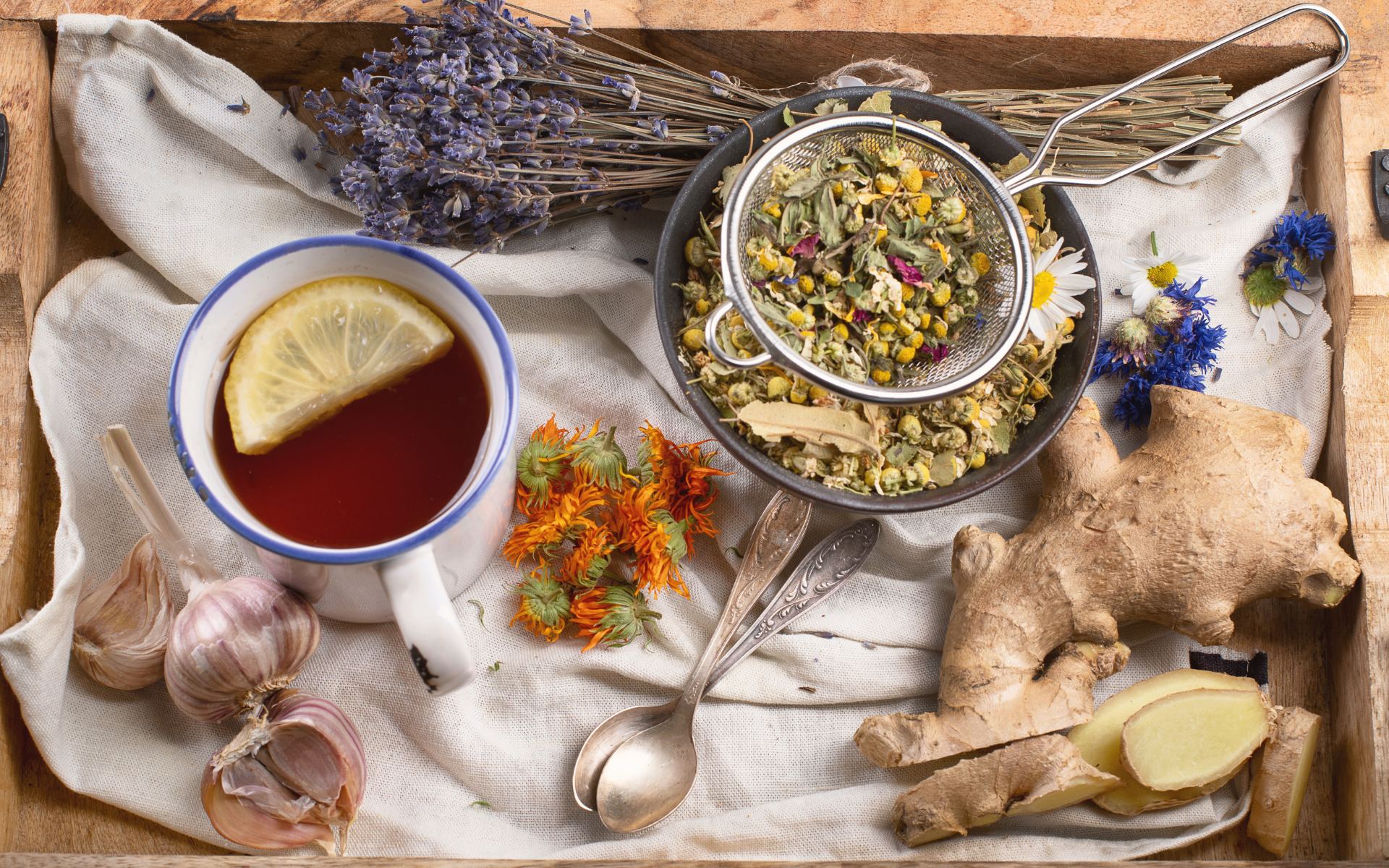
Have you ever tried an herb or a natural remedy and felt absolutely nothing happen?
It’s frustrating. And what’s interesting is the same thing happens with medications all the time, sometimes they don’t work right away, sometimes they don’t work at all, yet we tend to give pharmaceuticals way more grace than natural remedies.
So when a herb doesn’t “work,” people start wondering if it was just placebo.
But herbal medicine is far more complex than that.
Real herbs and nutrient-based remedies contain measurable chemical compounds that interact with receptors, enzymes, and metabolic pathways in the body. They create real physiological effects that can be studied and observed. When something doesn’t happen, it’s rarely because the plant itself is useless.
Most of the time, it’s because healing depends on many things working together inside the body.
Let’s walk through the biggest factors that can influence whether a natural remedy actually delivers results.
Sometimes the remedy just isn’t the right match for your body
Everything affects the body in specific ways. Herbs, foods, even things like sunlight, sauna, or breathwork all carry certain qualities. Some are stimulating and circulating. Others are calming, moistening, stabilizing, building, or relaxing.
If your body’s current state doesn’t line up with the qualities of the remedy you’re using, it can feel like nothing is happening, or it can even make symptoms worse.
For example, using stimulating herbs like cayenne or dried ginger when your system is already tense, overheated, or depleted can create more inflammation and exhaustion.
On the flip side, using heavy, moistening herbs like marshmallow root in a body that’s already sluggish or stagnant can lead to more heaviness and congestion.
That doesn’t mean the herb is ineffective. It just means it wasn’t the right match for your internal environment at that moment.
The same remedy that helps one person can throw another off completely. This is why learning your terrain patterns, whether you tend toward dryness, tension, depletion, or stagnation, makes such a huge difference in choosing remedies that actually restore balance.
Sometimes the symptom isn’t the real issue
Natural remedies can seem ineffective when they’re only aimed at the surface symptom instead of the deeper contributing patterns underneath.
Healing rarely happens in a straight line.
A headache might be linked to digestion, stress, hydration, circulation, or nutrient depletion. Skin issues might trace back to hormones, gut function, liver load, or nervous system regulation.
When root causes aren’t addressed, the body often develops secondary layers of imbalance as it tries to compensate. In those cases, one herb alone may not be enough.
A layered approach is often needed, where different remedies support different systems at the same time.
Instead of chasing symptoms, zooming out to look at digestion, stress levels, elimination, sleep, and circulation usually reveals why a remedy seemed ineffective.
Your digestion and stress levels matter more than you think
Natural medicine relies heavily on digestion. If digestion is weak, irritated, or sluggish, the body may not properly extract the medicine from herbs and foods.
When digestion is too weak, nutrients don’t break down fully and can lead to gas, bloating, or heaviness instead of absorption.
When digestion is too intense, irritation and inflammation can burn through nutrients before they’re used efficiently.
But digestion doesn’t work alone.
It’s directly regulated by the nervous system. When the body is stressed and in fight-or-flight mode, blood flow shifts away from the digestive organs and toward the muscles and brain.
Even the most perfectly matched remedy can feel ineffective when the body is too tense to receive it. You’re not what you eat, you’re what you assimilate (absorb).
This is why traditional systems of medicine especially Ayurveda always treated digestion and nervous system regulation as the foundation of health and healing.
When the gut and nervous system are supported, everything else becomes more receptive to natural remedies.
Consistency and timing make or break results
Herbs work with the body’s rhythms, not against them.
Unlike pharmaceuticals that force symptom suppression, natural remedies help the body gradually regulate itself. That means taking something once in a while or only when symptoms flare usually won’t create lasting change.
Short-term remedies tend to act quickly. These include stimulating spices, digestive bitters, relaxing nervines, and circulation-boosting herbs. You can often feel these within minutes or hours because they act on immediate pathways.
Long-term remedies are different. Nourishing tonics, adaptogens, mineral-rich herbs, and rebuilding plants work slowly. They restore tissues, reserves, and regulation over time.
These require steady, consistent use before noticeable shifts appear so if you stop taking them too soon, it won't be as effective.
Creating a small daily ritual around remedies helps tremendously. Taking them at similar times, pairing them with meals or moments of calm, and staying consistent allows the body to actually integrate their effects.
Timing matters too. Activating and circulating remedies work best earlier in the day, while nourishing and calming remedies are often better in the evening when the body shifts into repair mode.
The form and preparation change everything
The same plant can act completely differently depending on how it’s prepared.
Liquid extracts like tinctures and glycerites absorb quickly and activate taste receptors that help stimulate digestion and circulation. They’re especially helpful for stimulating, bitter, pungent, and fast-acting herbs.
Capsules can be useful in certain situations, especially for nourishing or adaptogenic herbs that work slowly, or for people with very sensitive digestion. But they skip the taste receptors that play an important role in activating digestive reflexes.
Temperature also plays a huge role.
Mineral-rich herbs like nettle or oatstraw release best through long hot infusions. Dense roots like ashwagandha or astragalus benefit from slow simmering decoctions.
Aromatic herbs lose potency with too much heat. Mucilaginous herbs like marshmallow root work best in cool water preparations.
The wrong form can make a powerful herb feel like it’s doing nothing at all.
Foundations matter more than any herb
Herbs aren’t replacements for food, sleep, hydration, movement, and rest. They build on top of the body’s foundations.
If someone is under-nourished, dehydrated, chronically stressed, sedentary, or sleep-deprived, the body may not have the circulation or stability needed to absorb remedies properly.
This is also why lab work can look “normal” while someone still feels awful. The body often protects blood values first while tissues quietly become depleted.
Food supplies raw materials. Movement circulates them. Rest integrates them. Herbs fine-tune the process.
When foundations are shaky, even the best remedy struggles to work.
Healing takes time, and that’s not a failure
We live in a quick-fix culture, but natural healing follows the body’s pace. Some people feel shifts in days. Others in weeks or months. It depends on the remedy, the imbalance, and the person’s terrain.
Often healing shows up quietly first, better sleep, improved digestion, steadier energy, calmer moods, before dramatic symptom changes happen.
When a remedy doesn’t seem to work, it’s usually the body communicating what it needs more of, better digestion, different preparation, more consistency, deeper root work, or stronger foundations.
Natural medicine isn’t trial and error when you understand the body. It becomes a relationship. And it doesn’t have to be complicated.
Most of the deepest healing comes from simple, consistent practices paired with well-matched remedies.


In holistic wellness, people fall into four groups based on depth of understanding, from surface level advice to true practitioners to those selling aesthetics without substance, which is why health advice online often feels so confusing.