
Arugula (Eruca sativa)
Medicinal Profile of
Arugula (Eruca sativa)
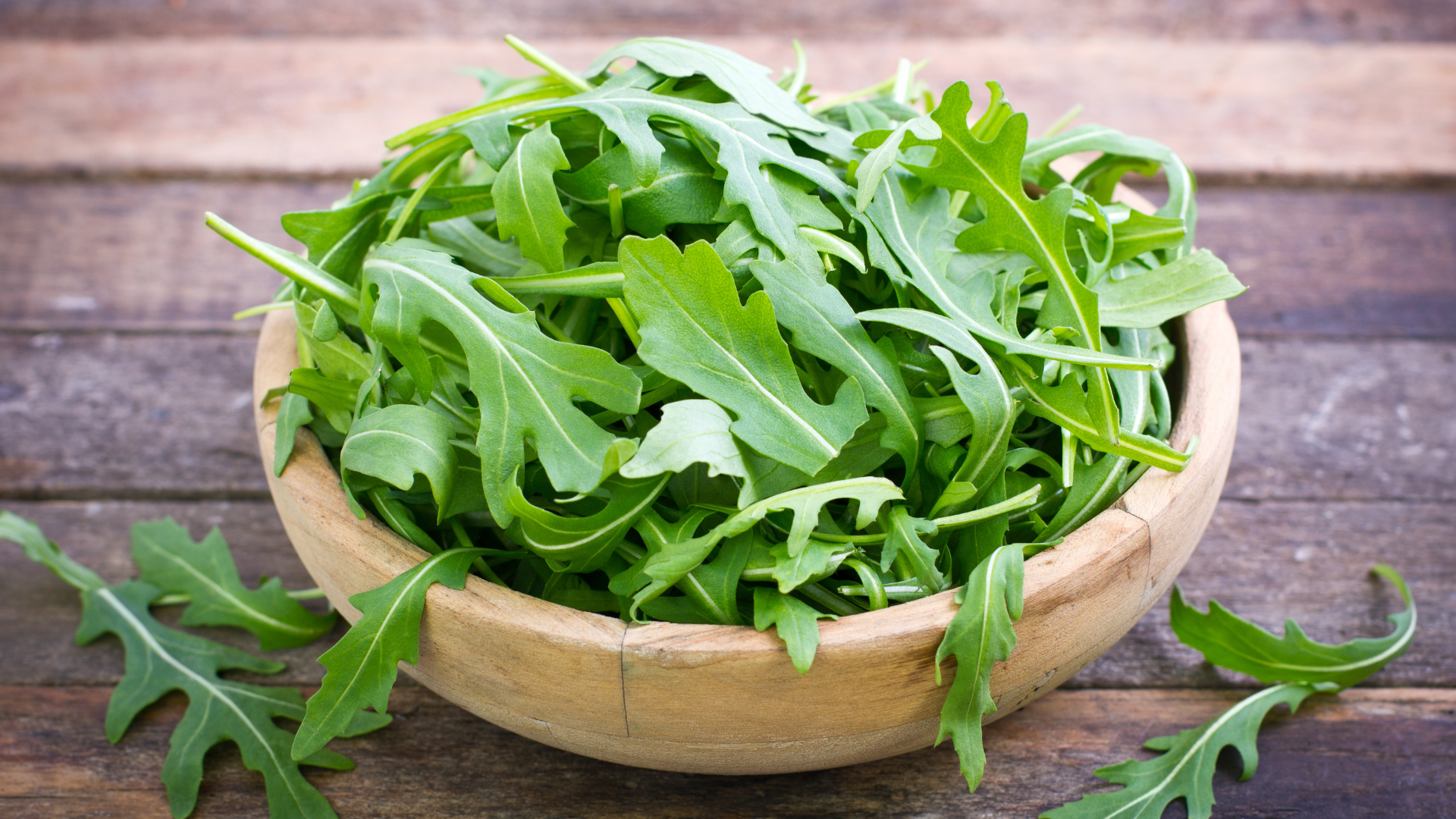
Arugula is a potent bitter green that clears surface dampness, activates sluggish digestion, and supports liver and lymphatic flow. Its bitter-circulating qualities make it especially helpful for Surface Damp Stagnation, Surface Excitation from sluggish digestion, and mild Core Hypermetabolic Heat driven by toxin accumulation. Unlike softer greens, arugula stimulates digestive secretions without creating heat or dryness, making it ideal for individuals who feel heavy, puffy, slow after meals, or prone to irritative heat from stagnation. Its glucosinolates, antioxidants, and cooling bitter compounds create a distinct terrain-clearing effect that qualifies it as a medicinal food rather than a neutral one.
-
👉 Tastes describe the initial impression a food or herb leaves on the tongue, and they reveal its deeper actions in the body, shaping digestion, circulation, and tissue response.
Bitter – Stimulates digestive secretions, increases bile flow, and clears surface dampness and stagnation.
Pungent (mild) – Promotes circulation and encourages lymph and vascular movement. -
Circulating – Enhances blood, lymph, and bile flow, preventing stagnation and reducing digestive heaviness.
Clearing – Removes metabolic waste and accumulated dampness from tissues.
Cooling – Reduces irritative heat associated with sluggish digestion and toxin buildup.
Light – Easily digested and does not add to dampness or stagnation. -
Low calories + low carbohydrate + high phytonutrient density.
Folate + B-vitamins → support metabolic processes and reduce oxidative stress
Affinity: Metabolic / CellularVitamin K → strengthens vascular tissues and supports lymphatic movement
Affinity: Vascular / LymphaticNitrates → improve vasodilation and microcirculation
Affinity: CardiovascularVitamin C → reduces inflammatory irritation and supports tissue repair
Affinity: Immune / Skin -
Glucosinolates (erucin + sulforaphane precursors) → activate liver detox pathways and clear heat-related stagnation
Affinity: Liver / LymphaticNitrate compounds → improve vascular dilation and endothelial function
Affinity: CardiovascularChlorophyll & antioxidants → reduce oxidative heat and calm irritated tissues
Affinity: Skin + ImmuneBitter compounds (erucin family) → stimulate digestive activation and reduce damp stagnation
Affinity: Digestive
-
Digestive System (Affinity)
Primary Indicated Pattern: Surface Damp Stagnation
Digestion is slow, heavy, or boggy, leading to post-meal sluggishness and mild mucus accumulation.
Examples: Heaviness after meals, bloating after fats, sluggish digestion, burping from stagnation.
Arugula’s bitter-circulating compounds stimulate stomach acid, bile flow, and motility, clearing damp heaviness and reactivating digestion.
———————————————————
Liver / Lymphatic System (Affinity)
Primary Indicated Pattern: Surface Dampness + Mild Core Heat
Toxin accumulation or slow lymph drainage leads to puffiness, mild heat, and reduced detox capacity.
Examples: Morning puffiness, fluid retention after salty meals, irritability from sluggish detox.
Glucosinolates clear damp stagnation, improve liver flow, and reduce heat generated by metabolic waste.
-
Digestive System
Bitter tonic – Stimulates gastric secretions and initiates digestive activation.
Cholagogue – Increases bile flow to clear heaviness and improve fat digestion.
Clearing agent – Reduces damp stagnation and digestive sluggishness.
Liver & Lymphatic System
Lymphagogue (mild) – Supports lymph movement and reduces puffiness.
Detox pathway activator – Enhances phase II detox via glucosinolates.
Cooling liver agent – Reduces heat buildup from metabolic stagnation.
Cardiovascular System
Vasodilator (mild) – Nitrates enhance blood flow.
Vascular stabilizer – Reduces reactivity and tension in superficial vessels.
Immune / Skin
Anti-inflammatory – Reduces surface heat and irritation through antioxidants.
Tissue repair supporting – Vitamin C supports collagen and mucosal healing.
-
Warfarin / Coumadin (blood-thinners)
Arugula is a high-vitamin K leafy green (especially when eaten regularly). Vitamin K can decrease the effectiveness of warfarin by helping the blood clot more easily.People on warfarin do not need to avoid arugula, but they must keep leafy green intake consistent from week to week.
(Fluctuations: suddenly eating a lot more or less can change INR levels.)Blood pressure medications (especially nitrates or PDE-5 inhibitors, e.g., Viagra)
Arugula is naturally high in nitrates, which the body converts into nitric oxide, helping dilate blood vessels and lower blood pressure. -
Best as: fresh salad greens and wilted lightly under warm foods (rice bowls, salmon, roasted chicken)
Pair with: Lemon (enhances bitter digestive action) and Healthy fats (avocado, olive oil) improve nutrient absorption.
Do not cook to mush as heat destroys glucosinolates.
-
Avoid large amounts in very cold/depressed digestion (may overstimulate).
Not ideal for those with surface dryness + severe cold.
Safe during pregnancy in normal food amounts.
No known drug interactions in typical dietary use.

-
Bahadoran, Z., et al. (2012). “Nitrate-rich vegetables and cardiovascular health.” Nutrition Reviews.
(Arugula improves blood vessel function and lowers blood pressure.)Fahey, J. W., et al. (2015). “Glucosinolates and isothiocyanates in cruciferous vegetables.” Molecular Nutrition & Food Research.
(Sulforaphane precursors in arugula support detox pathways.)USDA FoodData Central. (2024). “Arugula, raw.”
(Nutrient and mineral composition — vitamin K, folate, vitamin C.)Higdon, J. & Delage, B. (2007). “Cruciferous vegetables and cancer prevention.” The Linus Pauling Institute.
(Sulforaphane and glucosinolates modulate detox enzymes and reduce inflammation.)Harvard T.H. Chan School of Public Health. “The role of leafy greens and nitrates in cardiovascular health.”
(Supports nitrate → nitric oxide pathway for circulation and vascular dilation.)Medical News Today / peer-reviewed summary (2022). “Arugula nutrition and benefits.”
