
Ashwagandha Root (Withania somnifera)
Medicinal Profile of
Ashwagandha Root
(Withania somnifera)
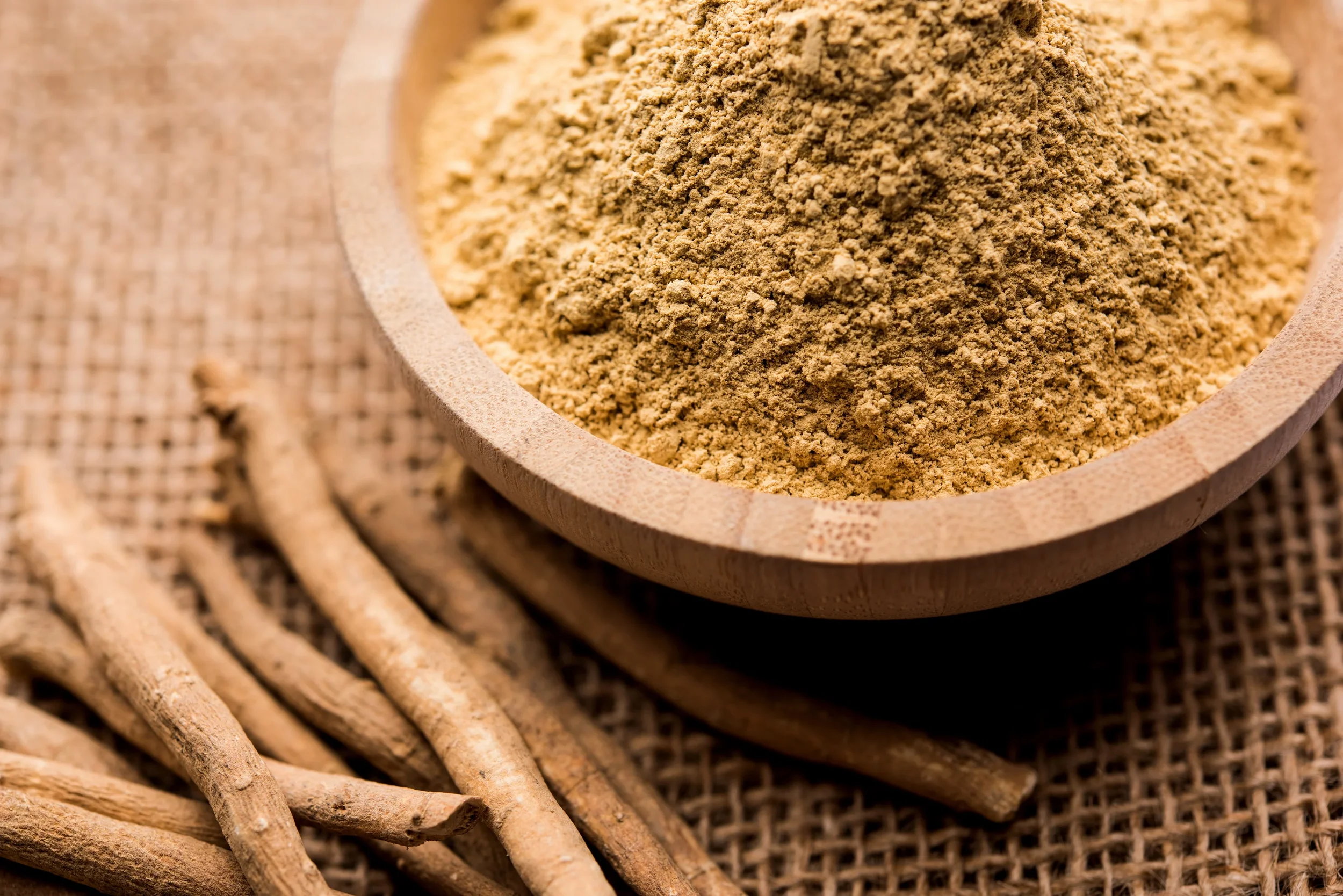
Ashwagandha (Withania somnifera) is a deeply restorative adaptogen that helps rebuild energy when the body is worn down. In terrain terms, it is heavy, nourishing, and gently circulating, ideal for states of depletion, nervous excess and sluggishness. It works by replenishing depleted reserves, calming the stress response, and supporting hormone balance without pushing the body into overdrive. Ashwagandha is best suited for people who feel drained, anxiety or insomnia-ridden, weak, and run-down all at once. It helps rebuild what stress has worn down, restoring steadiness, strength, and resilience.
-
Solanaceae
-
👉 Tastes describe the initial impression a food or herb leaves on the tongue, and they reveal its deeper actions in the body, shaping digestion, circulation, and tissue response.
Bitter – cleansing, detoxifying, and gently reducing excess. Helps clear heat, stagnation, and metabolic waste.
Astringent – toning and stabilizing. Draws tissues together, reduces leakage, and firms lax or weakened tissue.
Sweet – nourishing, building, and restorative. Replenishes fluids and supports tissue growth and recovery. -
👉Qualities describe the felt nature of a substance or practice, and how it acts in the body beyond nutrients or chemistry.
Nourishing – Builds strength, stamina, and vitality.
Oily/Unctuous (moistens and nourishes dry, depleted tissue)
Stabilizing (grounds nervous excess)
Circulating – Gently stimulates metabolic activity and circulation.
-
Ashwagandha Decoction (Root Simmered in Milk or Water + Fat)
Simmered root pieces in water or milk with a spoon of ghee or coconut oil. Ideal for long-term restoration and post-illness rebuilding. Provides deeper nourishment and steadier grounding effects than raw powder.Ashwagandha Ghee (Medicated Fat Infusion) - Ashwagandha infused directly into ghee creates a potent nervine and reproductive tonic. Best used in very small amounts (¼–½ tsp) for dryness, weakness, or fatigue, especially when digestion is sluggish.
Warm Ashwagandha Milk (Daily Nourishing Tonic) - ½–1 tsp powder whisked into warm milk or oat milk with a dash of cinnamon and ghee. Calms excitation, supports sleep, and nourishes depleted adrenal and reproductive systems.
Ayurvedic Massage Oil: To restore strength and calm nerves. This can be purchased already made or you can make it yourself. Here is a visual DIY recipe https://www.youtube.com/watch?v=_xKtzYskfYY
Ashwagandha Capsules (Convenient Form) - Standardized extracts or encapsulated powder offer convenience, but often lack the digestive activation provided by traditional preparations. Capsules should always be taken with or immediately after a meal containing fat to optimize absorption and prevent digestive dryness or overstimulation. They are suitable for short-term use when convenience or travel limits access to traditional preparations.
Tonic dosing: Works best when taken consistently for at least 6–8 weeks.
-
Ashwagandha dosage is highly individual. Weight, age, metabolism, and how long the imbalance has been present all influence how much the body can use at one time.
Start low and increase gradually.
If using a store-bought tincture or capsule: Begin with the dosage on the product label. Each manufacturer extracts differently, so potency varies.
If preparing the root yourself (tea/decoction or powder):
Standard traditional range:
1–2 tablespoons of root (approximately 3–6 grams per day).Increase only if your body responds well. Ashwagandha is nourishing and stabilizing, you should feel steadier, not sedated or heavy.
How Long Until You Notice Results?
Ashwagandha has both immediate and cumulative effects:
Immediate effects (same day → within 1–3 days) Calmer nervous system, Reduced tension / decreased “wired” feeling, Deeper or more restful sleep (These show up quicker when the terrain pattern is tension + dysregulated.)
Cumulative effects (3–6 weeks of consistent use) Improved endurance and energy, Rebuilding strength after depletion, Hormonal and metabolic resilience, Tissue nourishment (hair, muscle tone, recovery)
Quick relief comes from the relaxation effect. Deeper change comes from the rebuilding effect. Ashwagandha restores reserves, it does not force energy output. Consistency matters more than dose.
Indicated Patterns by Affinity
👉 Indicated patterns describe the functional state of the body and its organs and/or tissues, showing whether they are dry, atrophied, too damp (pressure), stagnant, lax, inflammed, sluggish, tense or underactive. The Primary Indicated Pattern is the main state where this remedy works best. Secondary Indicated Pattern(s) are the patterns that often develop over time when the primary state is left unaddressed. The primary pattern must be supported first, as this allows the secondary patterns to naturally ease or resolve.
👉Affinities are the organ systems and tissues where the remedy acts most strongly.
-
Primary Indicated Pattern — Hypometabolic + Dryness + Tension
A state where energy and neurotransmitter output are low (hypometabolic), fluids and reserves are depleted (dryness / atrophy), and the nervous system is tight or over-activated (tension / dysregulated).
Examples: “Wired but tired,” chronic fatigue with anxiety, racing thoughts at night, shallow sleep, adrenal burnout, post-stress depletion.Ashwagandha is nourishing and stabilizing, replenishing depleted nerve tissue and restoring metabolic reserves. Its gently circulating quality loosens nervous tension without stimulating. By lowering cortisol and reducing nervous system over-activation, it allows the body to shift from survival mode into repair mode.
Secondary Indicated Pattern — Degenerative Dryness + Dysregulated Tone
A state where long-term stress or depletion has led to loss of tissue integrity (degenerative dryness) with unstable nervous firing (dysregulated / erratic regulation).
Examples: Burnout following prolonged stress, mental exhaustion, emotional fragility, irritability, stress-induced muscle tension.Ashwagandha builds back structure by feeding the nervous system with anabolic nourishment. Its stabilizing quality replenishes what chronic stress has broken down. Its gently circulating nature relaxes spasms and nervous constriction, supporting repair of frayed or over-used pathways.
-
Hypometabolic + Depleted (Primary Indicated Pattern) – The metabolic and hormonal systems operate at a reduced pace due to long-term depletion of nutritive reserves and stress adaptation resources. Examples: adrenal exhaustion, inactive thyroid, chronic fatigue, burnout from overwork or long-term stress.
Ashwagandha rebuilds endocrine tone by restoring metabolic vitality through nourishing (sweet, heavy, stabilizing) energetics. It replenishes the body’s core reserves, supporting thyroid and adrenal balance without overstimulation.
Dysregulated + Tension (Erratic Regulation (Secondary Indicated Pattern)
Hormonal fluctuation driven by chronic stress, sympathetic dominance, or erratic cortisol signaling. Examples: mood instability with PMS, stress-induced irregular cycles, anxiety-related cortisol spikes, wired-but-tired pattern.Ashwagandha calms the hypothalamic-pituitary-adrenal (HPA) axis, reduces stress-driven hormonal surges, and stabilizes rhythm of hormone release — supporting both stress hormones and reproductive hormones simultaneously.
-
Hypofunction + Atrophy + Depression (Primary Indicated Pattern) – Low reproductive vitality from depletion and dryness, where tone, warmth, and hormonal rhythm have declined.
Examples: infertility from exhaustion, low libido, scant menses, post-partum depletion, adrenal fatigue.The sweet, nourishing, and stabilizing qualities of Ashwagandha rebuild reserves, moisten atrophic tissues, and restore reproductive rhythm.
Tension, Dysregulated, Excitation (Secondary Indicated Pattern) – Reproductive constriction or tightness linked to stress, anxiety, or nervous excitation.
Examples: menstrual cramps, erectile tension, anxiety-related sexual inhibition.The grounding, stabilizing energetics calm nervous agitation and relieve muscular or vascular tension in reproductive tissues.
-
(Primary Indicated Pattern – Atrophy, Hypofunction, Depression – Weak muscle tone or tissue depletion due to undernourishment or chronic fatigue.
Examples: frailty, muscle loss, poor postural strength, recovery after illness.The sweet, nourishing energetics rebuild tissue strength and density through anabolic support.
Tension + Spasmodic + Dysregulation (Secondary Indicated Pattern – Stress-related contraction or intermittent spasms in muscles and tendons. Examples: dry tendon tension, fatigue-related stiffness, night time muscle cramps, Parkinson tremors, stress-triggered neck or jaw tightness.
The moistening, stabilizing, and nervine actions calm excitatory tension, reduce spasms, and restore balanced muscle tone.
-
Depressed + Atrophy (Primary Indicated Pattern – Weak immune tone due to depletion or low metabolic vitality.
Examples: frequent colds, slow recovery, post-viral fatigue.Adaptogenic and nourishing properties enhance immune coordination and restorative metabolism, helping rebuild resilience without overstimulation.
Auto Inflammatory + Excitation (Secondary Indicated Pattern) – Overactive immune response or heat-driven irritation, often aggravated by stress or metabolic strain.
Examples: mild autoimmune flares, stress-exacerbated joint inflammation, skin inflammation from nervous tension.Stabilizing and adaptogenic actions regulate reactivity, cool excitatory inflammation, and bring the immune terrain back into balance over time.
-
Atrophy + Hypofunction / Hypometabolic (Primary)
Dry, undernourished tissues, poor muscle tone or wasting, slow recovery or weakness following stress or illness.Topical examples
Ashwagandha oil massaged into weak or atrophic muscles during recovery after illness
Oil applied to postpartum tissues for rebuilding strength and tone
Scalp oiling to support hair strength and reduce shedding from depletion
Massage over joints or limbs that feel thin, dry, or undernourished
Tension / Spasmodic + Dysregulated (Secondary)
Constricted, tight, spasming muscles; nervous tension causing stiffness or tremors.Topical examples
Oil massage to relax tight shoulders, jaw tension (TMJ), or neck stiffness
Ashwagandha paste applied to areas prone to nighttime muscle cramps
Oil applied along nerve pathways (such as hip/leg for sciatic-type tension)
Temple or forehead massage during stress-induced tension headaches

-
Nervous System
Adaptogen – increases resilience to stress.
Anxiolytic – reduces anxiety and nervous tension.
Sedative (mild) – promotes restful sleep.
Endocrine System
Cortisol modulator – balances stress hormone output.
Thyroid supportive – enhances thyroid hormone production in sluggish states.
Reproductive tonic – improves fertility and libido in men and women.
Musculoskeletal System
Anti-inflammatory – reduces joint pain and arthritis symptoms.
Tonic – improves strength and stamina.
Immune System
Immunomodulatory – enhances immune balance and defense.
Hematological System
Hematopoietic – supports hemoglobin production, useful in anemia and fatigue.
Topical Medicinal Actions
Anti-inflammatory (stabilizing)
Reduces local inflammation, swelling, and irritation in joints, muscles, and nerves.Muscle relaxant / antispasmodic (tension-relieving)
Relaxes tight or spasmodic muscles and reduces tremors or nighttime leg cramps. Used in Ayurveda as a supportive muscle relaxant for tension patterns.Nervine (nerve-soothing)
Calms irritated or hypersensitive nerves and reduces pain signaling along nerve pathways. Beneficial for sciatica, TMJ, and tension headaches.Anabolic / Rejuvenative (tissue-building)
Strengthens and nourishes weakened or depleted muscle fibers, supporting recovery after illness, overexertion, or chronic stress. Helps restore tone in atrophic or wasted tissues.Moisturizing / emollient (restorative to dry tissues)
Moistens dry or depleted tissue when infused into oil. Supports dry scalp, dry fascia, and tissue fragility related to depletion.Promotes hair strength
Used in scalp oil formulas to strengthen hair follicles and reduce stress-related shedding. -
2nd–3rd Degree (Moderate to Strong)
Gentle enough for daily tonic use, yet strong enough to produce measurable changes in stress, sleep, and energy over weeks to months.
Topical Strength Level:
Mild to Moderate (1st–2nd degree) – Best for supportive joint and muscle care, relaxation, and mild inflammation. Not as potent systemically as internal use, but effective as a local tonic when applied consistently.
-
Withanolides – steroidal lactones with adaptogenic and anti-inflammatory effects.
Alkaloids (somniferine, tropine, cuscohygrine) – calming, nervine actions.
Saponins – immune-modulating, stress protective.
Iron – supports hemoglobin and energy.
Amino acids (including tryptophan) – precursors for neurotransmitter support.
-
Drug Interactions
General Drug Binding – Activated charcoal can adsorb most oral medications if taken at the same time, reducing or preventing absorption.
Includes: antibiotics, antidepressants, anti-seizure meds, blood thinners, birth control pills, heart medications, painkillers, etc.
Emergency Use Exception – In cases of overdose or poisoning, charcoal is deliberately used to block drug absorption.
Best practice: Separate by at least 2 hours (sometimes 4+) from oral medications.
Herbal Interactions
Nutrient-Rich Herbs & Supplements
Spirulina, chlorella, moringa, alfalfa, mineral supplements
Charcoal may bind their minerals, vitamins, or phytonutrients → reducing effectiveness.
Potent Alkaloidal or Glycoside-Containing Herbs
Ephedra, lobelia, foxglove, senna
Charcoal may blunt or alter their actions by reducing absorption.
Demulcent Herbs (Supportive Pairing)
Marshmallow, licorice, slippery elm
Soothing mucilage can buffer irritation if charcoal causes dryness, though it’s best to space apart to avoid adsorption.
-
Those who are prone to a hotter terrain, combine Ashwagandha with a herb that’s also stabilizing, but not circulating like Shatavari, Brahmi (Bacopa), Gotu Kola, Chamomile, Linden, Rose, Reishi mushroom.
Pregnancy: Traditionally avoided in pregnancy (stimulating, uterine effects noted in high doses).
Autoimmune conditions: Caution in active autoimmune flare due to immune-modulating activity.
Hyperthyroidism: May stimulate thyroid further.
Hemochromatosis - Excess Iron
Nightshade sensitivity.
Sedation: High doses may cause drowsiness; avoid combining with strong sedatives.
GI Sensitivity: Rarely causes upset stomach; best taken with food or milk.

-
Singh, N., Bhalla, M., Jager, P. de, & Gilca, M. (2011). An overview on ashwagandha: A Rasayana (rejuvenator) of Ayurveda. African Journal of Traditional, Complementary, and Alternative Medicines, 8(5 Suppl), 208–213.
Chandrasekhar, K., Kapoor, J., & Anishetty, S. (2012). A prospective, randomized double-blind, placebo-controlled study of safety and efficacy of a high-concentration full-spectrum ashwagandha root extract in reducing stress and anxiety. Indian Journal of Psychological Medicine, 34(3), 255–262.
Lopresti, A. L., Smith, S. J., Malvi, H., & Kodgule, R. (2019). An investigation into the stress-relieving and pharmacological actions of ashwagandha: A randomized, double-blind, placebo-controlled study. Medicine (Baltimore), 98(37), e17186.
Mishra, L. C., Singh, B. B., & Dagenais, S. (2000). Scientific basis for the therapeutic use of Withania somnifera (ashwagandha): A review. Alternative Medicine Review, 5(4), 334–346.
Bone, K., & Mills, S. (2013). Principles and Practice of Phytotherapy: Modern Herbal Medicine. 2nd edition. Churchill Livingstone.
