Kegel Exercises (Pelvic Floor Contractions)
Functional Profile of
Kegel Exercises
(Pelvic Floor Contractions)
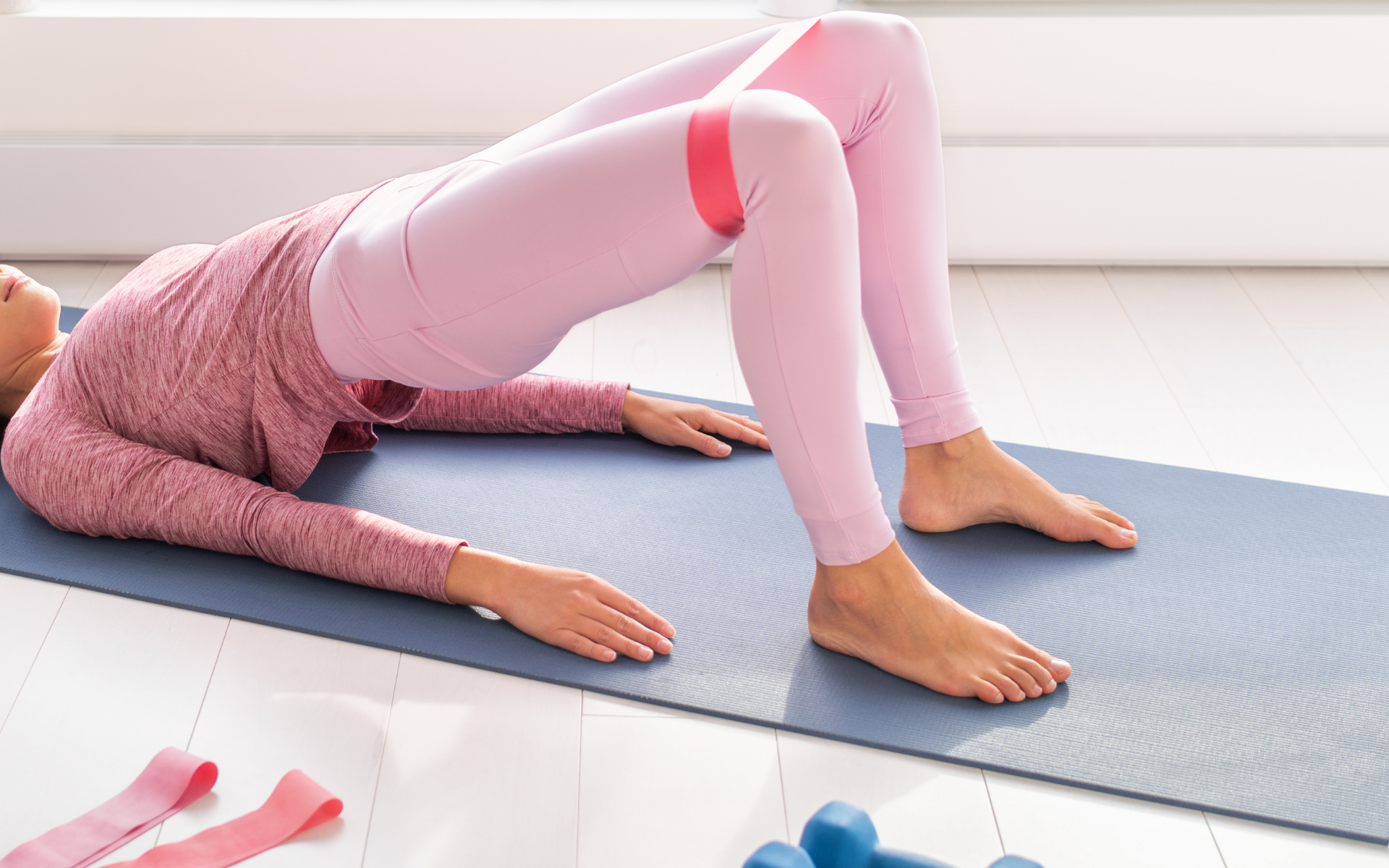
Kegel exercises strengthen and tone the pelvic floor, the hammock of muscles that support the bladder, uterus/prostate, and bowel. They improve continence, postural support, and sexual function by building internal tone and restoring neuromuscular control.
-
👉Qualities describe the felt nature of a substance or practice, and how it acts in the body beyond nutrients or chemistry.
Stabilizing - Improves structural tone and internal support; reduces laxity and over-relaxation.
Activating - Engages neuromuscular firing and coordination; reconnects brain-to-pelvic floor pathways.
Strengthening - Builds endurance and integrity in tissues that have become weak or underused.
-
Improves pelvic floor tone (supports organs and reduces prolapse tendencies)
Enhances neuromuscular control (improves coordination between breath + pelvic floor)
Increases circulation to pelvic tissues (supports recovery after childbirth)
Improves continence (urinary urgency, stress incontinence)
Improves sexual function (increases sensation, strength of orgasm)
-
Primary pattern = the state where this remedy works best.
Secondary pattern = develops as a consequence of the primary. Treat the primary first.
Affinities = the organs/tissues where the remedy has the strongest influence.Laxity + Prolapse (Primary Indicated Pattern) in the Pelvic / Reproductive System (Primary Affinity) This is when Pelvic tissues lack tone and support. Examples: stress incontinence, leaking when sneezing/jumping, pelvic heaviness, postpartum pelvic weakness.
Kegels strengthen and “lift” pelvic floor musculature, restoring structure and improving bladder control.
Dysregulated + Hypometabolic (Secondary Indicated Pattern) in the Nervous System / Core Stability (Secondary Affinity)
This is when the brain-pelvis connection is weak; core activation feels disconnected or delayed. Examples: difficulty feeling pelvic floor muscles, low back aches from poor core engagement, flat affect in pelvic area.Repeated contractions build proprioception while reconnecting the nervous system to pelvic tissues.
-
Inhale → relax pelvic floor (drop + soften)
Exhale → gently contract and lift (as if stopping urine flow)
Hold 3–5 seconds, relax fully.
Repeat 10 reps, 2–3 times per day.
👉 Relaxation between reps is just as important as contraction.
-
For best results, pair kegels with:
Deep belly breathing (diaphragmatic breathing) - improves coordination
Glute activation (bridges) - ensures pelvic floor isn’t compensating alone
Walking - improves circulation so tone can build
-
Do NOT use Kegels for these patterns:
Tension / Hypertonic Pelvic Floor
(symptoms: painful sex, difficulty inserting tampon/cup, urinary urgency without leaking)Constipation from tension / gripping: Kegels will increase tension, making symptoms worse.
Signs someone should not do kegels:
Pelvic floor feels “tight” or painful
Difficulty relaxing or fully emptying bladder/bowels
Pelvic floor feels like it's gripping all day
Instead → do pelvic floor relaxation + hip opening stretches.

-
American College of Obstetricians and Gynecologists (ACOG).
“Pelvic Floor Exercises (Kegels).” ACOG Practice Patient Education FAQ.Supports Kegels for stress urinary incontinence and postpartum pelvic floor recovery.
Harvard Health Publishing.
“Pelvic floor exercises: Help for incontinence.” Harvard Medical School, 2022.Kegel exercises improve bladder control and prevent leakage with coughing, sneezing, and exercise.
Dumoulin, C., Cacciari, L., & Hay‐Smith, E.
Pelvic floor muscle training versus no treatment for urinary incontinence in women. Cochrane Database of Systematic Reviews, 2018.Meta-analysis confirms pelvic floor training significantly improves continence outcomes.
Bø, K., & Sherburn, M.
Evaluation of pelvic floor muscle strength and function. International Urogynecology Journal, 2005.Demonstrates improvement in pelvic floor strength and neuromuscular control through Kegels.
Hagen, S., & Stark, D.
Pelvic floor muscle training for women with pelvic organ prolapse. Cochrane Database of Systematic Reviews, 2011.Shows pelvic floor strengthening reduces prolapse symptoms and improves pelvic support.
FitzGerald, M. P., & Kotarinos, R.
Pelvic floor muscle overactivity: Treatment strategies. Obstetrics and Gynecology Clinics of North America, 2009.
