Pilates
Functional Profile of Pilates
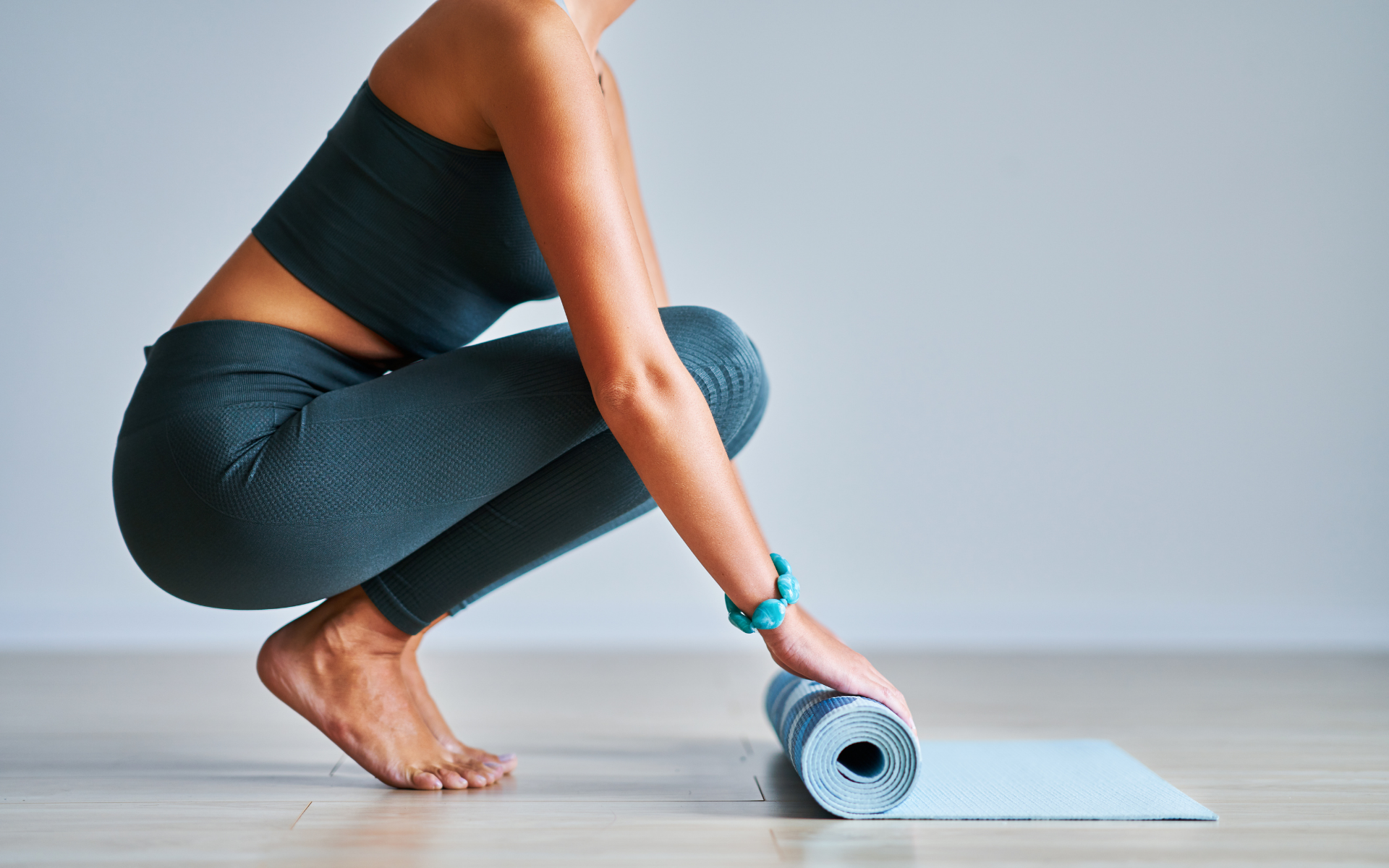
Pilates is more than a fitness practice, it’s a form of embodied rehabilitation that reconnects the body to its core intelligence. Developed as Contrology, the art of conscious control, this system retrains the body to move with precision, stability, and grace. Each movement is anchored in breath, allowing the diaphragm, deep abdominal muscles, and spinal stabilizers to work in harmony rather than opposition.
From a terrain-based perspective, Pilates acts as both a circulating and stabilizing agent. It restores tone to tissues that have become lax or collapsed, while simultaneously calming overstimulated or chaotic systems. It strengthens from the inside out, balancing force and fluidity, strength and softness.
Because of its emphasis on alignment, breath, and control, Pilates improves circulation, lymphatic flow, and nervous system coherence. It’s particularly valuable for individuals who live in a state of chronic tension, collapse, or postural stagnation, helping them reclaim inner structure and gentle power without strain or inflammation.
Ultimately, Pilates is not about burning energy but redistributing it, awakening dormant areas, harmonizing excess in others, and teaching the body to move as an integrated whole.
-
Pilates was developed in the early 20th century by Joseph Hubertus Pilates, a German physical trainer who combined elements of yoga, martial arts, gymnastics, and rehabilitation therapy to create a method he called Contrology, the “art of controlled movement.”
Originally designed to help injured soldiers and dancers rebuild strength and coordination, Pilates was rooted in the belief that true health comes from the integration of mind, body, and breath. Over time, the method evolved into both a therapeutic practice and a discipline of body awareness, emphasizing precision, concentration, and fluid motion.
In a modern terrain-based context, Pilates can be seen as a regulatory agent restoring tone to collapsed or lax tissues while rebalancing overstimulated nervous systems. Its origins reflect a blend of Eastern mindfulness and Western anatomy, making it a bridge between movement medicine and conscious embodiment.
-
👉Qualities describe the felt nature of a substance or practice, and how it acts in the body beyond nutrients or chemistry.
Circulating: Promotes gentle movement of lymph and blood through rhythmic contractions of the core and diaphragm.
Stabilizing: Calms the nervous system, steadies erratic energy, and improves proprioceptive awareness, helping restore internal regulation after overexertion or stress.
Tonifying: Strengthens weak or lax tissues especially the pelvic floor, abdomen, and spine enhancing tone and structure throughout the musculoskeletal system.
-
Oxygen Uptake & CO₂ Regulation: Slow, conscious breathing increases oxygenation, balancing pH and enhancing mitochondrial efficiency.
Fascial Hydration: Repetitive elongation maintains elasticity and fluid movement in connective tissue.
Neuromuscular Repatterning: Strengthens motor control pathways, improving coordination and proprioception.
Vagal Stimulation: Deep exhalation activates the vagus nerve, lowering heart rate and cortisol.
-
Mat Pilates: Uses body weight; best for stability and awareness.
Reformer Pilates: Adds resistance through springs for deeper toning and circulation.
Therapeutic Pilates: Focuses on injury recovery, posture correction, and rehabilitation.
Breath-Focused Flow: Integrates diaphragmatic breathing to emphasize nervous system regulation.
Suggested Frequency: 3–5 times per week for toning or terrain balancing; 1–2 times per week for restorative or maintenance use.
Indicated Patterns by Affinity
👉 Indicated patterns describe the functional state of the body and its organs and/or tissues, showing whether they are dry, atrophied, too damp (pressure), stagnant, lax, inflammed, sluggish, tense or underactive. The Primary Indicated Pattern is the main state where this remedy works best. Secondary Indicated Pattern(s) are the patterns that often develop over time when the primary state is left unaddressed. The primary pattern must be supported first, as this allows the secondary patterns to naturally ease or resolve.
👉Affinities are the organ systems and tissues where the remedy acts most strongly.
-
Collapse (Atony) – A state of weakness and loss of tone in the supportive structures of the body, leading to poor posture, spinal instability, or muscle laxity. Examples: Core weakness, low back pain, slumped posture, postural fatigue.
Pilates restores tone and integrity to collapsed tissues through its tonifying and circulating qualities. Slow, precise movements awaken the stabilizing muscles of the core, while controlled breathwork re-educates the nervous system to support upright alignment and structural resilience.
-
Stagnation (Congestive Pressure) with Hyporesponsive and Mucous/Boggy – Defined by slow fluid movement, heaviness, and poor detoxification due to weak muscular pumping and depressed metabolic tone. The terrain tends toward moisture accumulation and mild pressure buildup. Examples: Fluid retention, leg heaviness, sluggish circulation, dull complexion.
Pilates’ circulating quality enhances lymphatic and venous flow through rhythmic muscle contraction and diaphragmatic breathing. Its balanced pacing prevents overheating while encouraging natural detoxification and tissue oxygenation.
-
Erratic Regulation with Excitation, Dryness, and Tension – Involves inconsistent neural signaling, shallow breathing, and overactivation of the sympathetic system leading to muscle tightness and unsteady focus. The terrain alternates between overstimulation and depletion, often with dryness or rigidity. Examples: Anxiety with body tension, shallow breathing, restlessness, poor coordination.
Pilates’ stabilizing and circulating qualities recalibrate the nervous system through synchronized breath and slow, precise movement. This rhythm entrains calm, grounded awareness while improving proprioceptive control and emotional regulation.
-
Collapse (Atony) with Hypofunction, Degenerative, and Prolapse – Marked by weakened pelvic tone, downward organ displacement, and poor fascial support. The terrain expresses depletion and loss of containment, common in postpartum or sedentary conditions. Examples: Uterine prolapse, pelvic floor laxity, diastasis recti, pelvic instability.
Pilates acts as a tonifying-stabilizing therapy, rebuilding the pelvic sling through breath-guided core activation. Its controlled lifts and contractions gently restore upward tension, encouraging reorganization of fascial and muscular support structures.
-
👉 Medicinal actions describe the specific ways a food influences organ systems and body functions.
Musculoskeletal System
Tonic (Strengthening) — Rebuilds tone and integrity in weak, collapsed, or atonic tissues, especially the core, spine, and pelvic floor.
Postural Realignment — Corrects imbalances in skeletal alignment and muscular coordination, improving stability and reducing compensatory strain.
Fascial Rehydration — Encourages elasticity and fluid movement in connective tissue through rhythmic elongation and controlled tension-release cycles.
Joint Lubricant (Mobilizing) — Increases synovial circulation and joint flexibility without inflammation or excess heat.
Lymphatic & Circulatory Systems
Circulatory Stimulant (Rhythmic) — Enhances venous and lymphatic return through breath-linked muscular contraction and relaxation.
Decongestant (Fluid-Moving) — Reduces mild swelling or fluid accumulation in the extremities by maintaining steady mechanical pumping action.
Oxygenator (Respiratory-Driven) — Improves tissue oxygen delivery and detoxification by optimizing diaphragmatic motion and blood flow.
Nervous System
Regulatory (Harmonizing) — Balances sympathetic and parasympathetic tone, guiding the nervous system out of erratic or hyperactive states.
Grounding (Stabilizing) — Restores calm focus and embodied presence through breath-synchronized precision and mindful pacing.
Neuro-Reeducative — Rebuilds proprioceptive awareness and coordination between the brain, breath, and body for improved motor control.
Reproductive System
Pelvic Tonic (Supportive) — Strengthens the pelvic sling and surrounding fascia, restoring internal lift and containment.
Pressure Regulator — Balances intra-abdominal pressure, preventing downward strain on the uterus and bladder.
Postpartum Restorative — Gently rehabilitates core integrity and fascial alignment after childbirth.
Respiratory System
Breath Trainer (Integrative) — Expands lung capacity and synchronizes diaphragmatic movement with core engagement.
Vagal Activator (Calming) — Stimulates the vagus nerve through prolonged exhalation, lowering heart rate and cortisol.
Detoxifying (Ventilatory) — Encourages CO₂ clearance and promotes internal pH balance through deep rhythmic breathing.
Digestive System
Digestive Mobilizer (Peristaltic-Stimulating) — Engages the abdominal wall and diaphragm to improve gut motility and reduce stagnation.
Abdominal Decompressant — Relieves bloating and abdominal pressure through posture correction and gentle core strengthening.
Endocrine & Metabolic Systems
Adrenal Regulator — Reduces cortisol dominance and supports hormonal balance by calming the stress axis.
Metabolic Re-tonic — Awakens low energy states by improving oxygen delivery, glucose utilization, and mitochondrial activity.
-
Moderate to Strong, depending on intensity and form. Pilates acts across multiple organ systems, particularly the musculoskeletal, nervous, and lymphatic terrains, making it both restorative and reconstructive. When applied therapeutically, it exerts a stabilizing influence on erratic, collapsed, or congestive terrains without provoking inflammation and depletion.
-
Encourage herbal use after practice sessions (especially adaptogens, mineral tonics, or nervines) to enhance recovery and integration.
Avoid combining stimulating herbs or high-dose caffeine with Pilates if the goal is nervous system regulation.
For prolapse, fatigue, or atonic terrains, pair Pilates with rebuilding and grounding herbs rather than detoxifying blends to prevent depletion.
-
Avoid high-intensity reformer work during acute inflammation, recent abdominal surgery, or severe joint instability.
Modify for pregnancy or postpartum recovery (focus on breath, gentle core reintegration).
Overuse may create excessive tightening in those with dominant tension or dryness patterns.

-
Wells, C., Kolt, G. S., & Bialocerkowski, A. (2012). Defining Pilates exercise: A systematic review. Complementary Therapies in Medicine, 20(4), 253–262. https://doi.org/10.1016/j.ctim.2012.02.005
Cruz-Ferreira, A., Fernandes, J., Laranjo, L., Bernardo, L. M., & Silva, A. (2011). A systematic review of the effects of Pilates method of exercise in healthy people. Archives of Physical Medicine and Rehabilitation, 92(12), 2071–2081.
Latey, P. (2001). The Pilates method: History and philosophy. Journal of Bodywork and Movement Therapies, 5(4), 275–282.
Wells, C., Blennerhassett, J., & Bialocerkowski, A. (2014). Pilates-based core stability training and back pain: A systematic review of randomised controlled trials. Medicine & Science in Sports & Exercise, 46(1), 132–143.
Culligan, P. J., Scherer, J., Dyer, K., Priestley, J. L., Guingon-White, G., & O’Sullivan, D. M. (2010). Comparison of intra-abdominal pressures during Pilates exercises and activities of daily living. International Urogynecology Journal, 21(10), 1257–1265.
Hagen, S., Glazener, C., & Sinclair, L. (2014). Pelvic floor muscle training for pelvic organ prolapse: A multicentre randomised trial. BMJ, 349, g7378.
Rodríguez-Pérez, C., Trillo-Mata, J. L., et al. (2021). Pilates for women with pelvic organ prolapse: A review of safety and benefits. Women’s Health Reports, 2(1), 247–256.
Barker, A. L., et al. (2015). The effectiveness of Pilates exercise in people with chronic low back pain: A systematic review. Spine, 40(10), 794–805.
Monteiro, M., et al. (2020). Effects of Pilates training on lymphatic function, mobility, and quality of life in women with lymphedema. Clinical Rehabilitation, 34(3), 398–407.
Joseph Pilates, H. (1945)Return to Life Through Contrology. New York: J. J. Augustin. (Foundational text on the original therapeutic intent and philosophy of Pilates.)
