Plantain leaf (Plantago major / Plantago lanceolata)
Medicinal Profile of
Plantain Leaf (Plantago
major / Plantago lanceolata)
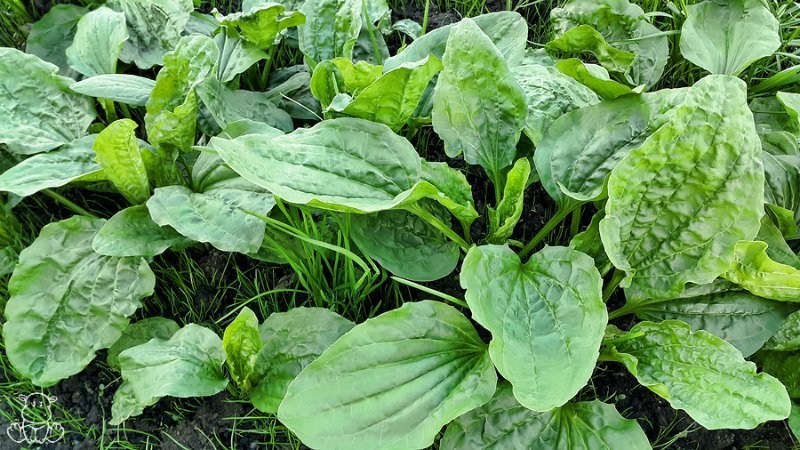
Plantain Leaf is a mucilaginous demulcent and a lymph-moving “drawing” herb that restores moisture to dry mucosal surfaces while pulling out irritants, heat, or waste from tissues. It is gentle yet powerful and soothing to Dry Mucosa (primary pattern) and relieving Irritated Dry Tissues or Congestive Heat (secondary patterns). Unlike Marshmallow (hydrating) and Slippery Elm (nourishing), Plantain does something unique: It moistens while also clearing irritation and stagnation. Plantain is the only mucilaginous herb with an astringent taste, which matches its ability to tighten irritated mucosa while still moisturizing. Plantain is a short-term moisturizer and reducer of surface irritation, NOT a deep, long-term mucosal hydrator like Slippery Elm or Marshmallow Root.
-
👉 Tastes describe the initial impression an herb leaves on the tongue and reveal its deeper actions in the body.
Mildly Astringent – Gently tightens and tones tissues, helping reduce surface irritation and swelling.
Bland / Slightly Bitter – Mild, neutral, earthy taste that suggests nourishment and clearing action within the mucosa and lymph.
-
👉Qualities describe the felt nature of a substance or practice, and how it acts in the body beyond nutrients or chemistry.
Moistening – Provides mucilage that restores hydration to dry mucosal surfaces.
Stabilizing (your replacement for “cooling”) – Reduces irritation, burning, and friction from dryness and low moisture tissues.
Astringent (toning) – Gently tightens lax, irritated, or leaky surface tissues.
Circulating (mild lymph-moving) – Helps move localized stagnation, inflammation, or irritants from tissues that stems from low moisture tissues and excess dryness.
-
Mucilage polysaccharides (hydrating and soothing)
Allantoin (promotes tissue repair and regeneration)
Minerals: calcium, magnesium, potassium (supports cellular hydration and tissue tone)
Flavonoids and iridoids (reduce irritation and inflammatory friction)
-
Cold infusion — best for preserving mucilage and reducing heat/friction in tissues.
Tea / Infusion (warm) — for soothing mucous membranes and mild lymph movement.
Poultice / spit poultice (fresh leaf) — classic “drawing” method to pull heat/irritants from skin or bites.
Tincture — useful when combined with lymph movers; not ideal alone for demulcent action.
Indicated Patterns by Affinity
👉 Indicated patterns describe the functional state of the body and its organs and/or tissues, showing whether they are dry, atrophied, too damp (pressure), stagnant, lax, inflammed, sluggish, tense or underactive. The Primary Indicated Pattern is the main state where this remedy works best. Secondary Indicated Pattern(s) are the patterns that often develop over time when the primary state is left unaddressed. The primary pattern must be supported first, as this allows the secondary patterns to naturally ease or resolve.
👉Affinities are the organ systems and tissues where the remedy acts most strongly.
-
Surface Excitation (Primary Indicated Pattern) –
When dryness progresses into rawness or burning.
Examples: raw mouth from mouth breathing, sensitivity from acidic or spicy foods, heat expression after dryness.*Provides a protective coating that stabilizes irritation and shields exposed tissue while moisture levels normalize.
Surface Dryness with Inflammatory Friction (Secondary Indicated Pattern) – When the mouth or gums feel dry, sticky, or unlubricated due to lack of moisture.
Examples: cotton-dry mouth upon waking, dry tongue that sticks to palate, friction when swallowing saliva.Creates a hydrating mucilage film that adheres to oral tissue, restoring moisture and reducing friction.
-
Surface Excitation (Primary Indicated Pattern) – Dryness → friction → heat → irritation.
Examples: “hot” stomach irritation after acidic foods, raw throat from dryness, reactive dryness after fasting or dehydration.Plantain combines demulcent (moistening) actions with astringency (toning) to reduce excess, raw sensation, especially when dryness and inflammation coexist.
Surface Dryness with Inflammatory Friction (Secondary Indicated Pattern) – When digestive membranes lack moisture and lubrication, leading to friction and irritation.
Examples: dry constipation that feels scratchy, raw esophagus from dryness, burning sensation after dry or spicy food.Plantain’s moistening and stabilizing mucilage coats irritated tissues, restoring hydration while the mild astringency tightens and tones fragile mucosa. Its ability to draw out irritants and reduce surface inflammation differentiates it from Marshmallow and Slippery Elm.
-
Surface Excitation (Primary Indicated Pattern) – Dry irritation paired with localized heat or surface congestion.
Examples: dry cough with heat and irritation, throat swelling from overuse, sensation of thickness + irritation.Plantain is uniquely lymph-moving and drawing, helping to clear congestion and relieve heat while still moistening dry mucosa.
Surface Dryness with Inflammatory Friction (Secondary Indicated Pattern) – When the throat or bronchi feel dry, scratchy, or unprotected.
Examples: dry cough with no mucus, hoarseness after speaking, throat that feels “thirsty for relief.”The mucilage forms a protective gel over irritated membranes while the stabilizing quality reduces heat-from-dryness in the throat.
-
Surface Excitation (Primary Indicated Pattern) –
When the urinary mucosa lacks moisture and lubrication, leading to friction and dryness-related irritation.
Examples: burning or scraping feeling during urination when dehydrated, irritation after acidic or astringent foods or beverages (coffee, tea, citrus).Plantain’s moistening and stabilizing qualities supply mucilage that coats the urinary lining, restoring hydration and reducing friction. The mucilage creates a protective gel over the tissue surface, making movement of urine less irritating while the astringent taste signals gentle tissue tightening to reduce exposed sensitivity.
Surface Dryness with Inflammatory Friction (Secondary Indicated Pattern) – When dryness progresses into raw, inflamed, or reactive tissue, causing heat-plus-burning sensations from friction, not infection.
Examples: burning that improves with hydration, urinary urgency with dryness, surface-level irritation after sex, tight or reactive urethral opening.Plantain combines moistening demulcent action (mucilage) with astringency (tissue toning), creating a barrier that both hydrates and protects irritated mucosal surfaces. The stabilizing quality reduces heat caused by friction, while astringency gently tones the irritated tissue, improving comfort and reducing the reactive surface response.
-
Surface Dampness + Excitation (Primary Indicated Pattern) – Localized swelling, puffiness, or heat due to stagnation at the surface.
Examples: insect bites, hot skin irritation, surface-level congestion.Plantain draws out irritants and heat while reducing swelling through astringent toning + lymph movement.
Surface Dryness with Inflammatory Friction (Secondary Indicated Pattern) – Dry, raw, irritated skin needing moisture + barrier support.
Examples: cracking from dryness, minor surface irritation, topical friction.The mucilage provides moisture + barrier support, while the astringency tightens tissue and reduces irritation.
-
👉 Medicinal actions describe the specific ways a food influences organ systems and body functions.
Digestive System
Demulcent - coats and hydrates dry or irritated digestive mucosa, reducing friction and making swallowing/elimination more comfortable.
Astringent (gentle) - tones lax, irritated membranes and tightens tissue when dryness has led to sensitivity or micro-leaking.
Anti-irritant - calms reactive, inflamed sensation caused by dryness + friction.
Lymphatic (mild) - supports movement of surface congestion and irritation from gut-adjacent lymph.
Vulnerary - promotes epithelial repair to help mucosa regain integrity.
Respiratory System
Demulcent - coats dry tissues of the throat and upper airway to ease scratchy throat or dry cough.
Anti-irritant - settles reactive cough patterns triggered by dryness or talking.
Astringent - reduces irritation and tones surface hyper-responsiveness in mucosal tissue.
Lymphatic - supports clearing congestion around the throat and tonsillar lymph.
Emollient - softens and soothes rawness from dryness.
Urinary System
Demulcent - hydrates and coats dry urinary tissue, reducing friction or burning.
Astringent - gently tones irritated, surface-level sensitivity caused by dryness.
Anti-irritant - stabilizes heat expression and reactive burning caused by friction, dehydration, or acidic foods.
Emollient - softens and restores ease to irritated mucosa.
Oral Mucosa
Demulcent - coats dry or raw oral tissue when used as a swish-and-swallow.
Astringent - tightens and tones irritated gum tissue; reduces micro-leaking of fluids.
Vulnerary - improves epithelial repair of delicate mucosal surfaces.
Anti-irritant - reduces rawness from mouth breathing, acidic foods, or dehydration.
Skin + Superficial Lymph
Drawing / Poultice Action - pulls irritants or stagnation from skin.
Lymphatic - moves sluggish lymph under the surface when there is heat + puffiness.
Vulnerary - supports repair of irritated or abraded surface tissue.
Astringent - tones puffy or weepy tissue.
Emollien - softens irritated or rough skin.
-
👉 Constituents are the natural compounds in a food that give rise to its actions in the body.
Mucilage polysaccharides – create a gel-like barrier that hydrates and protects mucosal surfaces.
Allantoin – stimulates epithelial regeneration and tissue repair.
Flavonoids + iridoid glycosides – reduce irritation and inflammatory friction on tissue surfaces.
Tannins – provide gentle astringency, tightening and toning lax or irritated tissues.
-
Fresh Leaf Poultice (topical) 3rd Degree - Strong / Immediate Strongest form for drawing out irritants, heat, or stagnation. Rapid results when applied directly to skin, bites, or localized congestion.
Cold Infusion (overnight mucilage infusion) 2nd Degree - Gentle but effectiveBest for Dry Mucosa. Maximizes mucilage → coats, hydrates, soothes surfaces. Works gradually but reliably when taken consistently.
Warm Tea / Hot Infusion 2nd Degree - Moderate / Clearing + Toning - Less mucilage but increases the lymphatic + astringent actions. Best when dryness coexists with congestive heat or irritation.
Glycerite (glycerin extract 2nd Degree: Alcohol-free; glycerin extracts some mucilage (not as much as water) and is soothing for throat/UR mucosa. Best taken diluted in water to enhance the moistening effect.
Powder/Capsule Variable - depends on water intake: Can be mildly demulcent if taken with adequate water, but may worsen dryness if not taken with enough water.
-
May bind medications when taken in cold-infusion mucilage form → space 1–2 hours away from prescriptions or supplements.
No known significant pharmaceutical interactions.
-
Safe during pregnancy and breastfeeding when prepared traditionally.
Avoid powdered capsules if severely dehydrated (mucilage needs water).
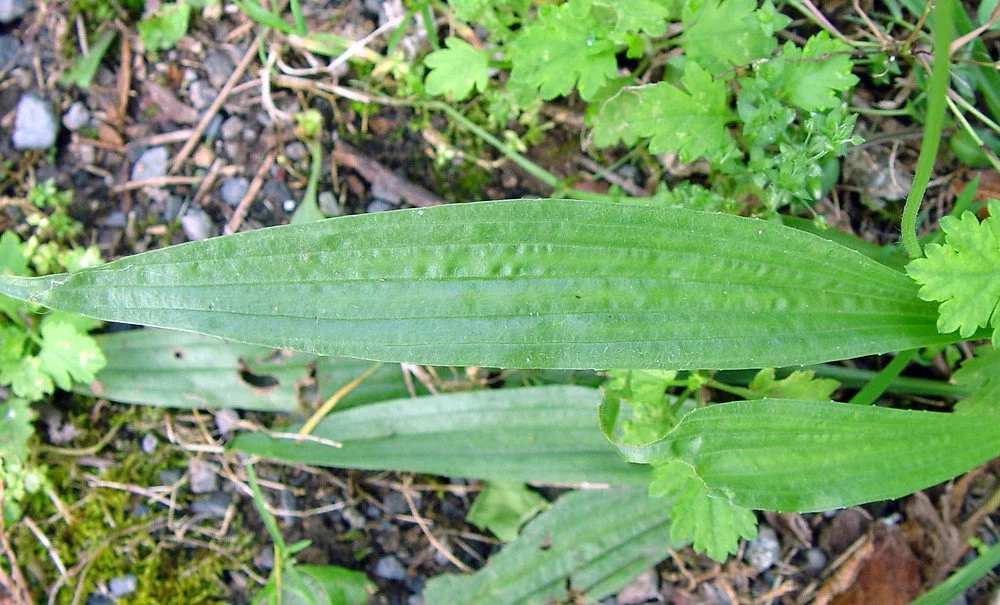
If harvesting wild, confirm correct identification and avoid roadside areas.

-
Traditional Sources
North American Indigenous mucilage use for throat and mucosa
European herbalism - vulnerary + demulcent traditions
Eclectic physicians - lymphatic + demulcent indications
Anglo-American folk herbalism — poultices for bites and irritation
Modern Sources
Pharmacognosy & phytochemistry on Plantago mucilage + allantoin
Contemporary Western herbalism texts (demulcent + lymphatic)
Herbal monographs on mucosal healing + epithelial repair
Phytotherapeutic research on iridoid glycosides + anti-irritant effects
