
Pomegranate (Punica granatum)
Medicinal Profile of
Pomegranate (Punica granatum)

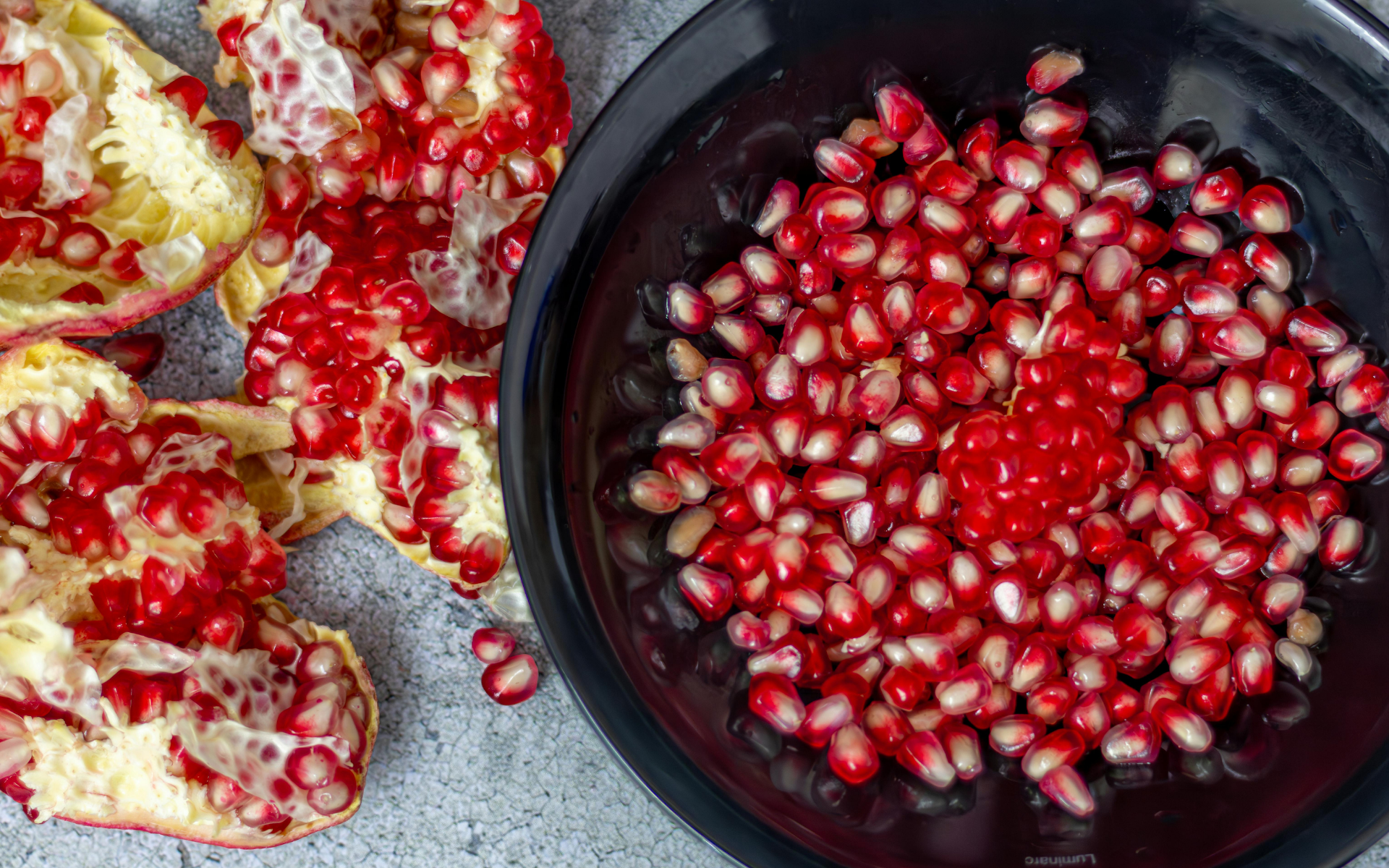
Pomegranates are a cooling, astringent, nutrient-dense fruit that support both Surface Excitation and Surface Dampness Terrain Pattern. Their sour-astringent nature tightens lax tissues, reduces reactivity, and helps clear heat from the blood and mucosa. They are especially helpful when inflammation and dampness combine, creating burning, puffiness, or sluggish elimination. Pomegranates also lightly support Core Hyper-Metabolic Terrain by cooling and clearing internal irritation.
-
👉 Tastes describe the initial impression a food or herb leaves on the tongue, and they reveal its deeper actions in the body, shaping digestion, circulation, and tissue response.
Sour – Contracts tissues, stimulates digestive secretions, and enhances metabolic movement while clearing heat and breaking damp stagnation.
Astringent – Tightens and tones mucosal surfaces, reduces excessive moisture, and stabilizes hyper-reactivity in surface tissues. -
👉Qualities describe the felt nature of a substance or practice, and how it acts in the body beyond nutrients or chemistry.
Stabilizing – Reduces inflammation, irritation, or overstimulation, soothing reactive or inflamed tissues.
Circulating (Mild) – Promotes blood and lymph movement, gently relieving congestion and surface puffiness.
Astringent – Clears excess dampness while protecting tissues from overheated dryness.
Cooling – Lowers metabolic irritation, reactive inflammation, and tension patterns. -
Vitamin C → supports mucosal repair, strengthens epithelial tissue, and reduces surface excitation (Immune / Skin affinity)
Potassium → regulates fluid balance, supports hydration and proper drainage, and reduces puffiness or tension from electrolyte imbalances (Cardiovascular / Kidney–Adrenal affinity)
Natural sugars (glucose + fructose) → provide steady, non-overstimulating energy that prevents reactive heat flares and supports metabolic balance (Metabolic / Blood Sugar affinity)
Soluble & insoluble fiber → improves stool formation, reduces damp stagnation, and promotes clean digestive motility without increasing heat (Digestive / Colon affinity)
-
Polyphenols (punicalagins, ellagic acid, anthocyanins) → powerful antioxidants that cool hypermetabolic heat, reduce oxidative stress, and stabilize inflamed tissues (Metabolic / Inflammatory affinity)
Tannins (ellagitannins) → astringent compounds that tighten lax mucosa, reduce excess moisture, and calm reactive surface irritation (Digestive / Urinary–Lymphatic affinity)
Vitamin C → supports tissue repair, reduces irritative heat, and enhances mucosal resilience (Immune / Skin affinity)
Potassium → electrolyte that regulates fluid balance, supports drainage, and prevents tension from dehydration (Cardiovascular / Kidney–Adrenal affinity)
Natural sugars (glucose + fructose) → provide gentle, steady fuel without overstimulating metabolism, supporting balanced energy during heat patterns (Metabolic / Blood Sugar affinity)
Fiber (soluble + insoluble) → regulates digestion, improves stool form, and clears damp stagnation in the gut (Digestive / Colon affinity)
-
Digestive System (Affinity)
Primary Indicated Pattern: Irritative Heat + Dampness (Surface Level)
Digestive surfaces are inflamed or irritated while simultaneously boggy, moist, or reactive, leading to heat + damp presentation.
Examples: Acidic, burning stomach discomfort, Reactivity after oily or heavy meals, Loose or irritated digestive lining, Bloating and Irritation after greasy or heavy meals, Mucosal laxity with irritation.
The astringent quality tones loose, damp mucosa while the cooling sour taste reduces reactive heat and supports clearer digestive movement.
——————————————————
Urinary System
Surface Excitation Terrain Pattern (Heat)
This pattern reflects overstimulation at the surface layer, leading to irritation, redness, and heightened sensitivity.
Examples: burning urination, reactive urinary heat, post-acidic food irritation.———————————————————
Lymphatic System
A pattern where fluids accumulate at the surface tissues, creating heaviness, puffiness, poor drainage, or sluggish lymph flow.
Examples: underarm puffiness, jawline congestion, skin dullness. -
👉 Medicinal actions describe the specific ways a food influences organ systems and body functions.
Astringent
Tightens and tones inflamed or boggy mucosa while reducing reactive heat and burning.Lymphatic Decongestant
Improves lymph flow and reduces puffiness or fluid retention in surface tissues.Antioxidant
Lowers oxidative stress and supports recovery from hypermetabolic activity.Cardiovascular Tonic
Dilates vessels gently, Improves blood vessel function, and reduces inflammatory burden on vascular tissue and increases nitric oxide levels, which relaxes and widens blood vessels.Antimicrobial
Helps balance microbial terrain without being harsh or overheating. -
Eaten fresh or as diluted juice (avoid concentrates with added sugar).
Pairs well with mint, cucumber, yogurt, or fats (avocado, olive oil) to soften its astringency.
-
May interact with anticoagulants due to platelet-modulating effects.
High tannin content may reduce absorption of iron supplements if taken together.
Avoid undiluted juice in individuals prone to GERD or severe acidity flares.
-
Generally safe as a food.
Undiluted juice may aggravate strong acid reflux.
Use caution with severe dryness + tension constipation (astringency can tighten).

