Smoothies (Whole-Food Blended Drinks)
Functional Profile of
Smoothies (Whole-Food
Blended Drinks)

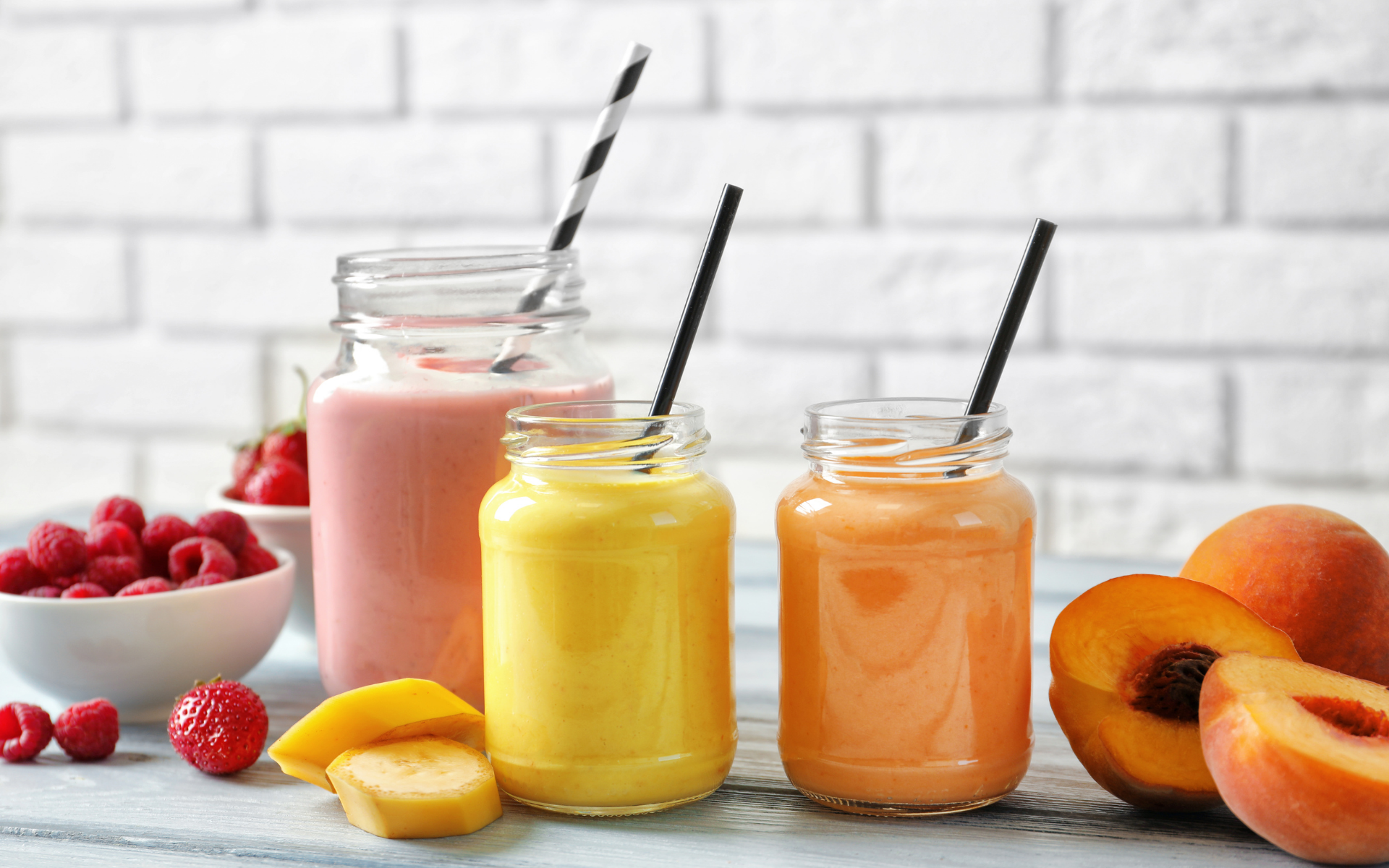
Smoothies are whole fruits, vegetables, herbs, and other foods blended into a drinkable form. Unlike juicing, smoothies retain the entire food matrix, including both soluble and insoluble fiber, which slows absorption and stabilizes terrain. Traditionally, blended preparations were less common, but modern blenders have made smoothies a popular way to deliver concentrated nutrition. Smoothies are particularly supportive for those needing daily nourishment, metabolic balance, and microbiome support, while still offering digestive ease.
-
👉Qualities describe the felt nature of a substance or practice, and how it acts in the body beyond nutrients or chemistry.
Heavy – Heavy describes a quality that grounds and weighs on digestion, providing substance and density to the body.
Moistening – Moistening replenishes internal hydration and softens tissues through retained water and fiber.
Stabilizing – Stabilizing is the ability to regulate blood sugar and energy flow, providing steady nourishment over time.
Nutritive – Nutritive reflects a building, restorative quality that provides bulk nutrients for tissue repair and maintenance.
🌶 How Spicy Smoothies Shift Qualities
Circulating – spices stimulate blood flow and help mobilize fluids.
Penetrating – warming, aromatic compounds push deeper into tissues and metabolism.
Lightening – offsets the heaviness of cold/fiber-rich smoothies.
Stimulating – adds energy and fire element to balance coldness.
Spicier smoothies are better for damp/stagnant terrain: spices help move boggy fluids, reduce heaviness, and prevent smoothies from feeling clogging. Still moistening/nutritive: the core smoothie action remains, but it gains a mobilizing quality.
Balances hypometabolic terrain: spices activate sluggish digestion, making smoothies more tolerable for those with weak digestion.
-
Blended fruits/vegetables with water, plant milk, or yogurt.
Can include added protein (nut butters, powders), fats (avocado, seeds), or herbs for tailored effects.
Should be consumed fresh; excess cold/ice use may aggravate weak digestion.
-
Smoothies keep the whole-food matrix intact → stabilizing blood sugar, feeding the microbiome, extending hydration, and sustaining energy. They are slower, steadier, and more building than juices, which are faster, lighter, and more medicinal/acute.
Fiber Retention → Blood Sugar Regulation
Unlike juice, smoothies keep soluble + insoluble fiber intact.
Fiber slows gastric emptying and glucose absorption → steadier blood sugar, less excitatory/irritative spikes.
Soluble fiber (pectin, gums) forms a gel-like matrix in the gut, binding sugars and cholesterol.
Satiety & Appetite Control
Fiber stretches stomach volume and increases satiety hormones (GLP-1, PYY).
Prevents the “sugar crash” often seen with juices.
Supports sustainable weight balance by prolonging fullness.
Gut Microbiome Support
Prebiotic fibers (inulin, resistant starch, pectin) feed beneficial bacteria.
Fermentation in the colon produces short-chain fatty acids (SCFAs) like butyrate, which reduce inflammation, improve barrier integrity, and regulate immunity.
Maintains microbial diversity versus juicing, which removes much of the substrate.
Nutrient Delivery & Bioavailability
Blending mechanically breaks down plant cell walls → releases carotenoids, flavonoids, and polyphenols.
Some fat-soluble nutrients (like beta-carotene) are better absorbed when blended, especially if fats (nut butters, avocado) are included.
The whole matrix slows absorption, but increases total bioavailability over time.
Hydration with Retention
Smoothies are water-rich, but fiber acts as a “sponge,” holding fluid in the gut for gradual release.
This prolongs hydration compared to plain water or juice, which move through quickly.
Digestive Energy & Terrain Load
Blending reduces chewing demand, but the fiber still requires digestive processing.
This makes smoothies gentler than whole foods but more sustaining than juice — a balance between ease and effort.
In weak digestion, this can feel heavy; in depleted terrain, it’s nourishing.
Anti-inflammatory & Antioxidant Pathways
Polyphenols in smoothies (berries, greens) activate Nrf2 pathways → upregulate detox enzymes (glutathione, superoxide dismutase).
SCFAs from fiber fermentation downregulate NF-κB signaling, reducing systemic inflammation.
-
Spring - The body is coming out of the heavy, rich winter diet. Smoothies lighten the load, flush excess heat or stagnation, and provide fresh hydration as metabolism awakens. It helps transition from winter dampness → supports detoxification, hydration, and renewal.
Summer - Smoothies are naturally cold, moistening, and refreshing, making them perfect for balancing summer heat and dehydration. Counters heat/excitation and dryness caused by hot weather, sweating, and sun exposure.
Indicated Patterns by Affinity
👉 Indicated patterns describe the functional state of the body and its organs and/or tissues, showing whether they are dry, atrophied, too damp (pressure), stagnant, lax, inflammed, sluggish, tense or underactive. The Primary Indicated Pattern is the main state where this remedy works best. Secondary Indicated Pattern(s) are the patterns that often develop over time when the primary state is left unaddressed. The primary pattern must be supported first, as this allows the secondary patterns to naturally ease or resolve.
👉Affinities are the organ systems and tissues where the remedy acts most strongly.
-
Atrophy / Dryness (Primary Indicated Pattern) – Atrophy is a state of digestive depletion with difficulty building and sustaining tissues.
Examples: low appetite, nutrient deficiencies, post-illness weakness.
Smoothies are moistening and nutritive, providing bulk hydration and fiber-bound nutrients that rebuild digestive strength while easing dryness.
Hypofunction / Hypometabolic (Secondary Indicated Pattern) – Hypometabolism is sluggish digestion and low energy terrain.
Examples: fatigue after meals, slow transit, low resilience.
Smoothies are stabilizing and nutritive, slowly releasing energy and nutrients through fiber retention, preventing spikes and crashes.
-
Hyporesponsive (Primary Indicated Pattern) – Hyporesponsive immunity presents as frequent illness or slow recovery.
Examples: recurrent colds, lowered vitality.
Smoothies are nutritive and moistening, delivering a broad array of phytonutrients with fiber intact, which supports both immunity and gut-associated lymphoid tissue.
Congestive / Damp (Secondary Indicated Pattern) – Dampness is sluggish immune terrain with mucous and stagnation.
Examples: chronic sinus congestion, boggy tissues, candida overgrowth.
Smoothies can aggravate if too cold/sweet, but when balanced with bitter greens or warming spices, they circulate and nourish without overwhelming.
-
Dryness / Dehydration (Primary Indicated Pattern) – Dry terrain shows as insufficient fluids for circulation and tissue lubrication.
Examples: dry skin, constipation, dehydration from stress.
Smoothies are moistening and stabilizing, delivering fluids with fiber to hold hydration in tissues, unlike plain water or juice which move quickly through.
-
👉 Medicinal actions describe the specific ways a food influences organ systems and body functions.
The act of blending preserves the whole-food integrity → delivering accessible nutrients with fiber, microbiome support, and hydration retention. Medicinally, smoothies act more as a steady builder and stabilizer than an acute intervention.
Digestive System
Eases assimilation while preserving fiber – Blending mechanically breaks down plant cell walls, making nutrients more accessible without stripping away the fiber matrix.
Regulates elimination – Retained insoluble fiber provides bulk for bowel movements, while soluble fiber softens stools and supports regularity.
Immune System
Supports gut-associated immunity – Prebiotic fibers in smoothies nourish beneficial gut microbes, which produce short-chain fatty acids that regulate immune activity.
Reduces inflammatory load – Retaining the whole-food matrix ensures slower absorption of sugars, preventing blood sugar spikes that can drive inflammatory responses.
Circulatory & Fluid System
Stabilizes blood sugar and circulation – Fiber slows glucose absorption, supporting steadier insulin release and reducing excitatory terrain patterns.
Extends hydration – Fiber holds water in the gut, releasing it gradually into circulation for more sustained hydration compared to juices or plain water.
Metabolic & Nutritional Support
Builds reserves – Smoothies deliver whole-food nutrients in an easy-to-consume form, supporting long-term rebuilding in depleted states.
Provides sustained energy – Slow nutrient release offers steadier metabolic fuel, helping prevent crashes common with juice or refined foods.
Nervous System
Stabilizes mood and focus – By preventing blood sugar swings, smoothies help maintain calm energy, reducing excitatory/irritative terrain patterns that disrupt mental clarity.
-
Mild to Moderate – Smoothies are not an acute, drug-like intervention but rather a steady nutritive practice. Their strength lies in daily terrain support: stabilizing blood sugar, hydrating tissues, and feeding the microbiome with fiber and phytonutrients. They are more sustaining and building than juicing, but slower-acting. Smoothies excel as a long-term nourishing therapy rather than a quick fix.
-
Use with caution: Fall & Winter → can be aggravating unless modified with warming, grounding ingredients.
Prone to heaviness, congestion and sluggish metabolism – Because smoothies are typically cold and moistening, they can aggravate damp, or stagnant terrains. Examples: chronic sinus congestion, edema, candida overgrowth, sluggish digestion.
Weak Digestion – In individuals with hypometabolic terrain (slow digestion, bloating, cold hands/feet), smoothies may feel too heavy or cause loose stools unless made warming with spices or room-temp ingredients.
Fruit-Heavy Formulas – Excess fruit can destabilize blood sugar (leading to excitatory/irritative swings), especially in hypoglycemia, insulin resistance, or metabolic syndrome.
Excess Use as Meal Replacement – Smoothies are supportive but not complete long-term; overreliance without solid meals may lead to nutrient imbalances, insufficient protein, or loss of chewing-driven digestive activity.
Temperature Sensitivity – Cold smoothies may worsen cramps, menstrual pain, or coldness in sensitive individuals. Allowing smoothies to come to room temperature or adding warming spices can reduce this effect.

-
Slavin, J. L., & Lloyd, B. (2012). Health benefits of fruits and vegetables. Advances in Nutrition, 3(4), 506–516.
– Overview of fiber, antioxidants, and chronic disease prevention benefits, highlighting the difference between whole foods and juices.Stephenson, J. (2018). Juicing and blending of fruits and vegetables: impact on nutrition and health. Food Science and Nutrition, 6(2), 344–355.
– Key paper comparing smoothies vs. juices and their effects on nutrient retention and metabolism.National Center for Complementary and Integrative Health (NCCIH). (2021). Detoxes and Cleanses: What You Need To Know.
– Notes on safety, misconceptions, and limitations of juice/smoothie-based diets.Fardet, A., & Rock, E. (2014). Toward a new philosophy of preventive nutrition: from a reductionist to a holistic paradigm to improve nutritional recommendations. Advances in Nutrition, 5(4), 430–446.
– Discusses the importance of whole-food matrices (like smoothies retaining fiber) compared to isolated nutrients.Harvard T.H. Chan School of Public Health. (n.d.). Fiber and Health.
– Highlights the benefits of dietary fiber for gut microbiome, satiety, and blood sugar regulation — core advantages of smoothies over juices.Walker, N. W. (1970). Fresh Vegetable and Fruit Juices: What’s Missing in Your Body. Norwalk Press.
– A classic naturopathic text often referenced in discussions of juicing vs. blending, though more historical than scientific.World Health Organization (WHO). (2003). Diet, Nutrition and the Prevention of Chronic Diseases.
– Global perspective on fruit/vegetable intake, hydration, and chronic disease risk reduction.
