
Flax Gel (Linseed Tea)
Medicinal Profile of
Flax Gel (Linseed Tea)
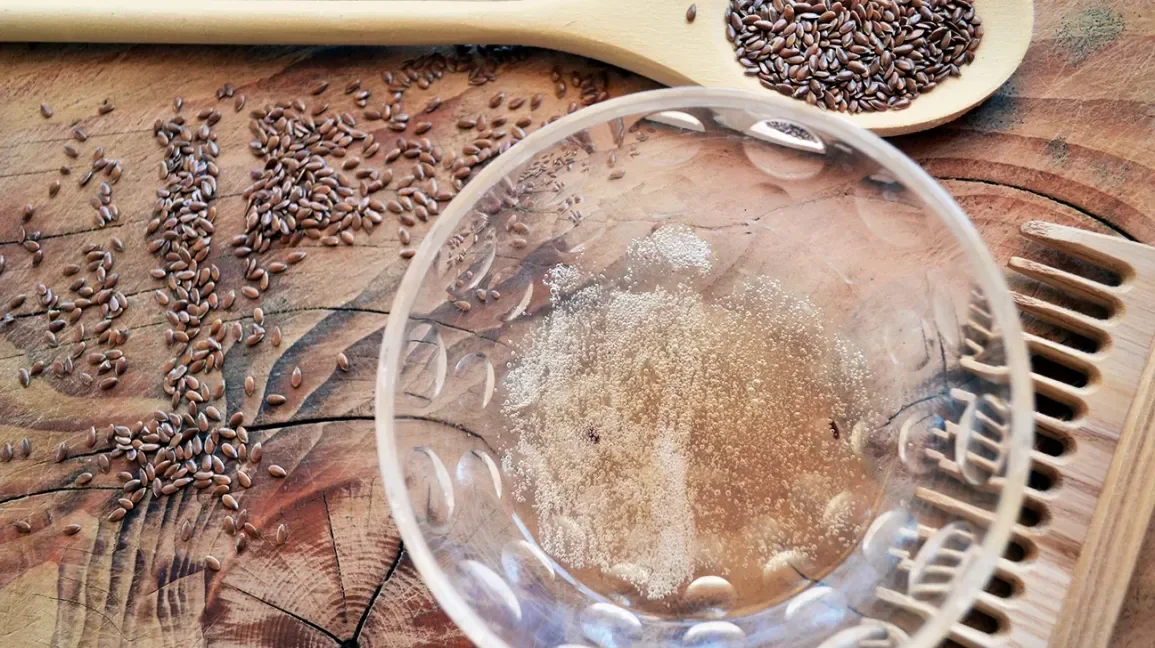
Flax gel (linseed tea) is a mucilaginous, oil-containing demulcent that hydrates dry mucosa while simultaneously softening and lubricating stool. Unlike chia gel (hydrating + bulk), flax gel contains both mucilage AND plant oils, giving it a dual action: moisture + lubrication + warming circulation. Flax gel is the only moistening substance that hydrates both the mucosa AND the stool at the same time. Unlike chia, flax must be heated or blended to release mucilage.
-
👉 Tastes reflect the first impression and reveal deeper actions.
Bland / Slightly Sweet - indicates nourishment and hydration without a forcing action.
Slightly Nutty / Earthy - from its natural oils (ALA + lignans)
-
👉Qualities describe the felt nature of a substance or practice, and how it acts in the body beyond nutrients or chemistry.
Moistening – coats mucosa and hydrates stool simultaneously.
Lubricating – natural oils reduce friction and support smooth elimination.
Gently Circulating – unlike chia, flax slightly increases bowel motility through warmth.
Softening – makes tissues more pliable, especially dry mucosa.
-
Mucilage polysaccharides
Omega-3 fatty acids (ALA)
Lignans (phytoestrogens → mild endocrine support)
B-vitamins and minerals
This makes flax gel uniquely helpful for dry tissue states influenced by low lubrication or hormonal dryness.
-
Flax Gel (Linseed Tea):
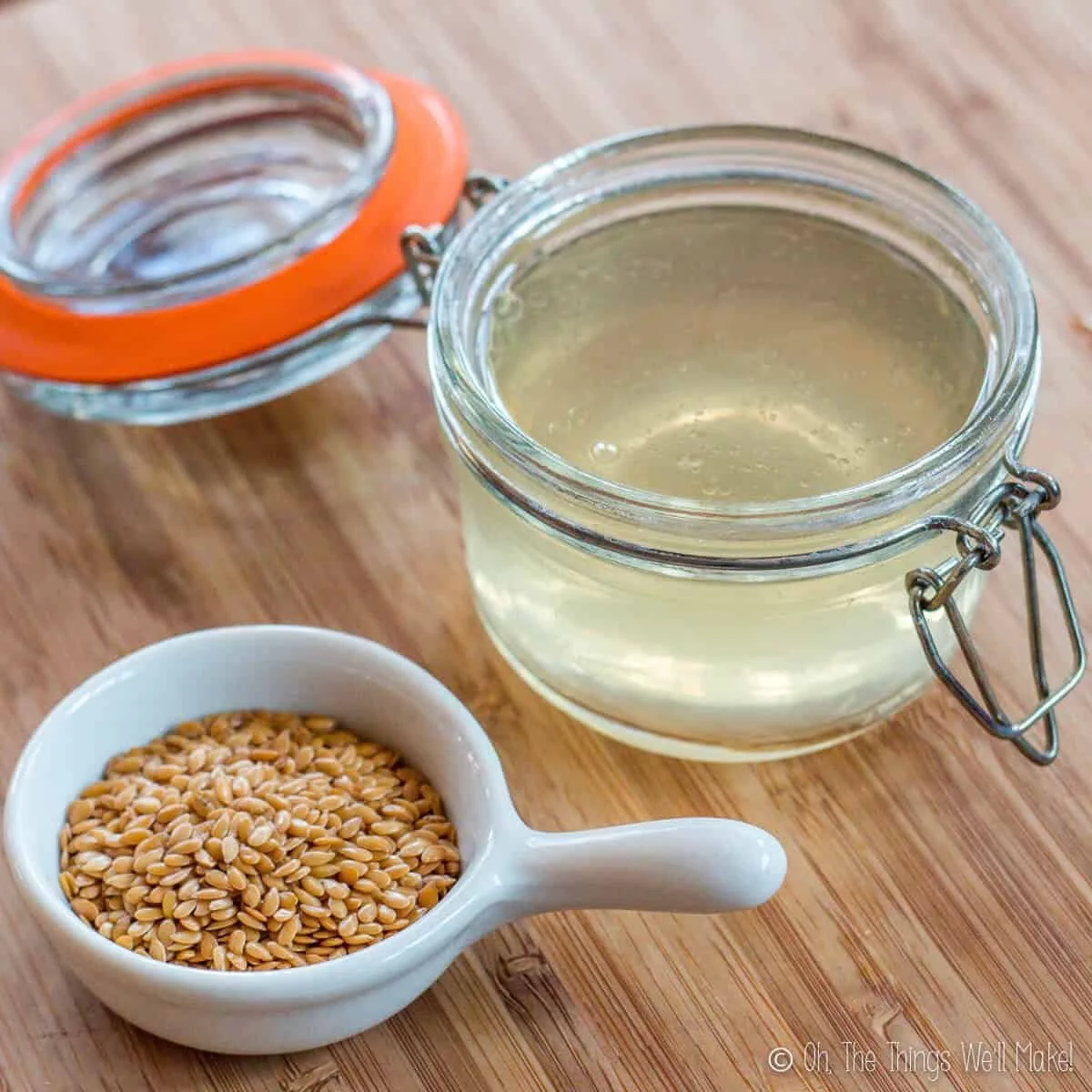
Simmer 1–2 tbsp whole flaxseeds in water until gel forms; strain → drink the gel.Flax Slurry:
Blend pre-soaked seeds + gel → stronger lubrication effect.Flax Gel + Marshmallow Root:
Hydrates AND rebuilds atrophic membranes.
Indicated Patterns by Affinity
👉 Indicated patterns describe the functional state of the body and its organs and/or tissues, showing whether they are dry, atrophied, too damp (pressure), stagnant, lax, inflammed, sluggish, tense or underactive. The Primary Indicated Pattern is the main state where this remedy works best. Secondary Indicated Pattern(s) are the patterns that often develop over time when the primary state is left unaddressed. The primary pattern must be supported first, as this allows the secondary patterns to naturally ease or resolve.
👉Affinities are the organ systems and tissues where the remedy acts most strongly.
-
Dry Throat / Dry Mouth (Primary Pattern: Dry Mucosa)
Flax coats, hydrates, and lubricates - and because it’s warming, it improves circulation to the throat. -
Dryness + Tension + Hypofunction (Primary Indicated Pattern
A pattern where stool is dry and lacks adequate lubrication, while the bowel wall is tight or spasmodic. Motility is reduced not because of dehydration alone, but because tension prevents natural release.
Examples: Cramping with dry, hard stool, Stool feels stuck even when hydrated, Painful or strained elimination requiring effort, Constipation that worsens under stress or anxiety, Stool that won’t initiate movement without effort
Mucilage hydrates the stool, while the natural plant oils lubricate and reduce spasm, helping the bowel relax and release, rather than push or strain.
Dry Mucosa + Atrophy (Secondary Indicated Pattern
A pattern where mucosal tissues become thin, undernourished, and fragile due to depletion, leading to reduced mucus production and vulnerability to irritation or burning.
Examples: Thin gut lining from depletion or fasting, Constipation worsens when stressed or not eating enough, Burning or irritation due to lack of protective mucus, Stool passage feels “abrasive” or raw, History of chronic dryness or nutrient deficiency
Flax mucilage coats and protects the thinning membrane, while its natural oils support mucosal replenishment and elasticity, helping the tissue restore resilience.
-
👉 Medicinal actions describe the specific ways a food influences organ systems and body functions.
Digestive System
Demulcent (mucosal coating)
Flax gel forms a soothing, protective coating over dry or irritated mucosal tissue, reducing friction and discomfort along the digestive tract.Hydrating stool-softener
The mucilage binds and holds water within the stool, increasing moisture content and making bowel movements easier and more comfortable.Lubricating laxative
The natural oils in flax provide lubrication to both stool and intestinal walls, reducing pain and strain during elimination without forcing motility.Antispasmodic
Flax gel relaxes tension and gripping in the bowel, making it especially beneficial when constipation is paired with cramping or a “tight” sensation.Bulk-forming motility support
The mucilage increases stool volume gently, activating the natural peristaltic reflex and supporting regular movement without irritation or stimulation.Oral / Throat Tissue
Oral demulcent
When sipped or swished, flax gel coats and hydrates dry mouth and throat tissue, reducing scratchiness, irritation, or dryness from dehydration or mouth breathing.Hormonal / Endocrine Terrain
Mucosal trophorestorative
Flax supports the nourishment and restoration of thinning or depleted mucosal tissue, particularly in hormonally driven dryness (postpartum, perimenopause, post-birth control).Immune System
Anti inflammatory
The omega-3 fatty acids in flax help reduce irritation associated with dryness, supporting calmer, more comfortable tissue states. -
👉 Constituents are the natural compounds in a food that give rise to its actions in the body.
Mucilage polysaccharides - hydrate and protect mucosal surfaces
Omega-3 fatty acids (ALA) - lubricate stool + reduce irritation
Lignans (phytoestrogens) - support mucosal hydration related to hormones
Soluble + insoluble fiber - supports stool structure and moisture retention
-
Flax gel (linseed tea) 2nd Degree - Hydrating + Lubricating and best for dry + tense constipation
Flax slurry 2.5 Degree - Stronger Lubrication for very dry, painful stools
Dry flaxseed (ground) NOT INDICATED… Can worsen dryness if not properly hydrated
Unlike chia, flax must be heated or blended to release mucilage.
-
May reduce absorption of oral medications
Flax gel’s mucilage can coat the intestinal lining and slow or reduce the absorption of oral medications or supplements.
➤ Separate from medications by at least 2 hours (before or after).May potentiate blood sugar–lowering drugs
Flax gel slows carbohydrate absorption and reduces post-meal glucose spikes.
➤ Use caution when combined with insulin or oral hypoglycemics (metformin, GLP-1 agonists, etc.).
➤ Monitor blood sugar in diabetic patients.May potentiate blood-thinning medications
Flax contains ALA omega-3 fatty acids, which have mild anticoagulant effects.
➤ Use caution with anticoagulants (warfarin, heparin) or antiplatelets (aspirin, Plavix).
➤ Monitor for increased bruising or bleeding.May interact with hormone-modulating medications
Because flax contains phytoestrogens (lignans), it may influence estrogen activity.
➤ Use caution with:Hormone replacement therapy (HRT)
SERMs (tamoxifen)
Hormonal contraceptives (not contraindicated, but worth noting)
Avoid dry flax with laxatives or bowel obstruction treatment
Dry flax absorbs water and can swell, increasing risk of worsening obstruction.
➤ Flax gel (pre-hydrated) is safe, but dry flaxseed is contraindicated. -
Do NOT take dry flax for constipation - worsens dryness.
Avoid with bowel obstruction.
Because of phytoestrogens, use caution with hormone-sensitive cancers (not contraindicated - just clinical awareness).

-
Traditional Herbal Medicine / Ethnobotanical Sources
Culpeper, N. (1653). The Complete Herbal.
Mentions linseed as an internal emollient and demulcent for “roughness of the throat and bowels” and as a “slippery” tea to ease elimination.Weiss, R. F. (1988). Herbal Medicine. Beaconsfield Publishers.
Describes linseed tea for constipation associated with dryness and for mucosal inflammation of the gastrointestinal tract.Grieve, M. (1931). A Modern Herbal.
Documents linseed infusion (linseed tea) as a “regional emollient and demulcent” for gastrointestinal and respiratory tract irritations.Hoffmann, D. (2003). Medical Herbalism. Healing Arts Press.
Classifies flax as a demulcent and notes its dual action of mucilage + oil content for constipation with tension.Modern Clinical & Scientific Sources
Journal of Food Science and Technology (2016).
Demonstrates that flaxseed contains high levels of soluble mucilage and omega-3 fatty acids, explaining its dual moisturizing + lubricating effect.Goyal, A. et al. (2014). Flax and flaxseed oil: Clinical and nutritional benefits. Journal of Food Science and Technology.
Shows flaxseed mucilage improves stool consistency and omega-3 reduces inflammatory irritation.
(Open-access review)Tarpila, S., et al. (2005). Efficacy of flaxseed mucilage for constipation. World Journal of Gastroenterology.
Clinical trial showing flax mucilage improves stool frequency, moisture content, and reduces straining.Oomah, B. D. (2001). Flaxseed as a functional food source. Journal of the Science of Food and Agriculture.
Confirms mucilage polysaccharides, lignans, and oil content; explains warming circulation and endocrine-support effects of lignans.Patel, D. et al. (2019). Hydrocolloid properties of mucilage from flaxseed. International Journal of Biological Macromolecules.
Demonstrates mucilage’s water-binding capacity — validates the hydric storage quality used in your terrain model.
