

Clearing Remedies
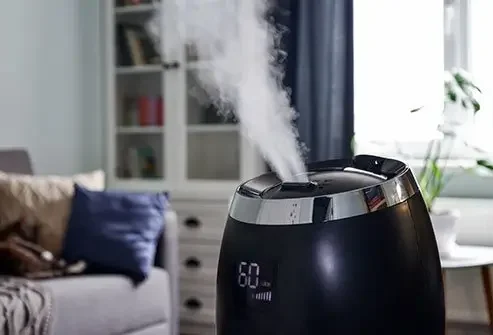
DEGREE 1 - Very Gentle Respiratory Clearers
(Lightly loosen mucus without strongly stimulating the lungs.)
Very gentle respiratory clearers are usually recommended for mild congestion or early respiratory buildup.
Symptoms look like slight throat mucus, occasional productive cough, mild sinus congestion, mucus after waking up, light chest heaviness during a cold, and breathing that improves after warm steam or gentle movement.



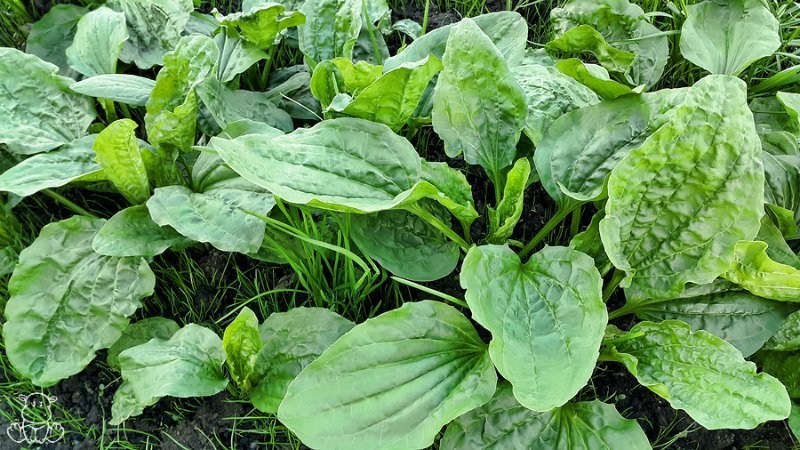

DEGREE 2 - Gentle Respiratory Clearers
(Gentle respiratory clearers are usually recommended for moderate mucus accumulation in the lungs or sinuses.)
Symptoms look like recurring productive cough, noticeable chest congestion, sinus pressure, thicker mucus that requires coughing to move, post-nasal drip, and breathing that improves after coughing or steam exposure.


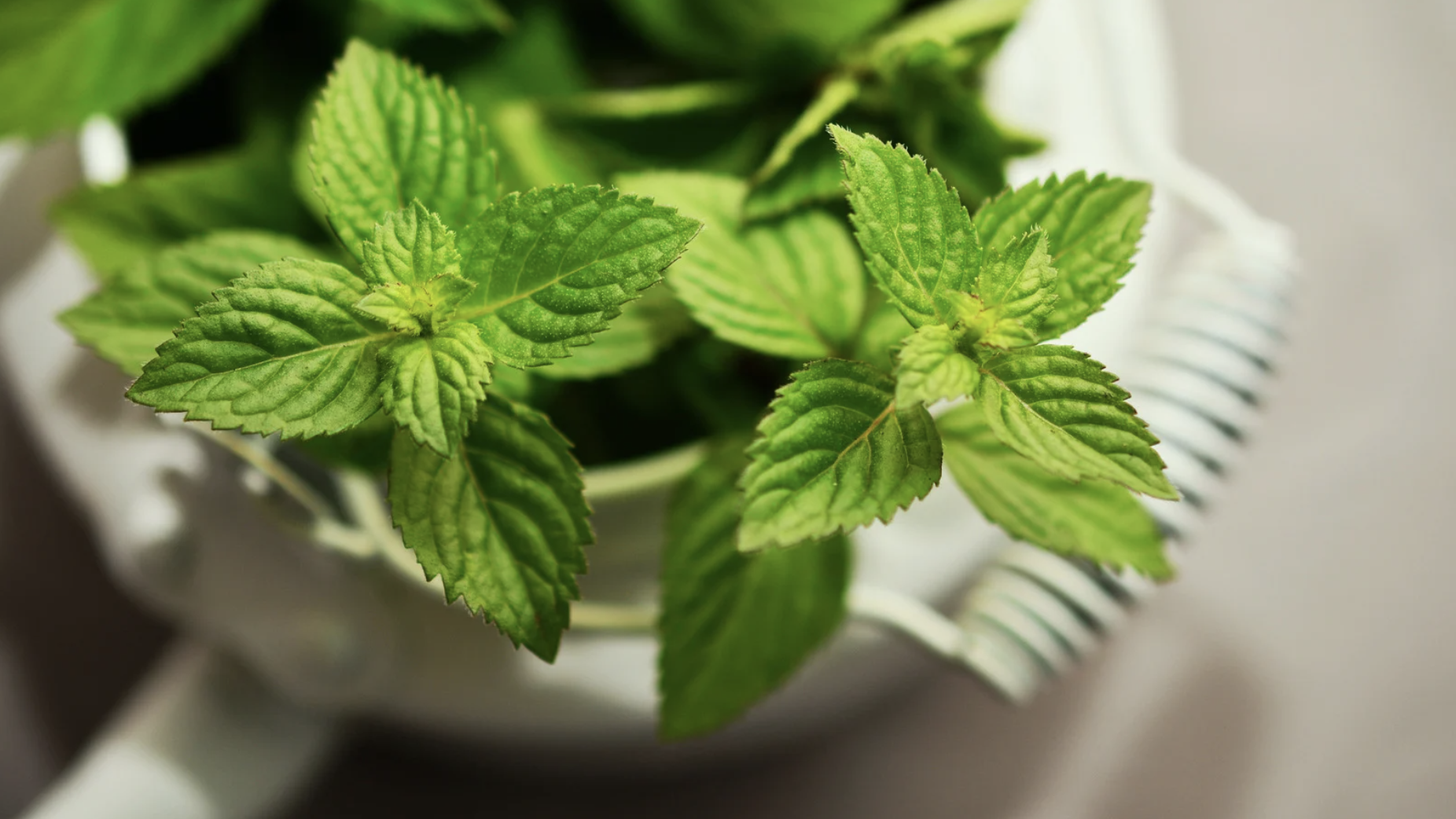

DEGREE 3 - Strong Respiratory Clearers
(Break up stubborn mucus and deeper congestion.)
Strong respiratory clearers are usually recommended for heavy or persistent mucus congestion.
Symptoms look like thick phlegm that is difficult to cough up, rattling breathing in the chest, persistent sinus congestion, repeated coughing to clear mucus, chest heaviness that does not resolve easily, and congestion that lingers after respiratory illness.

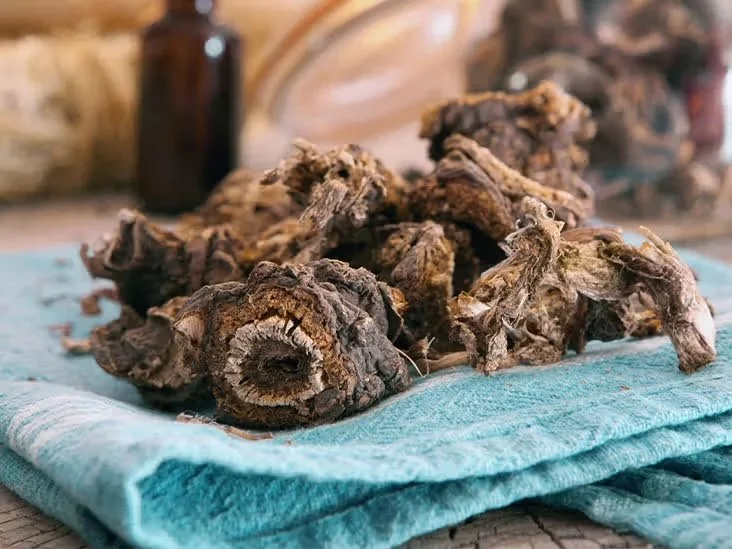
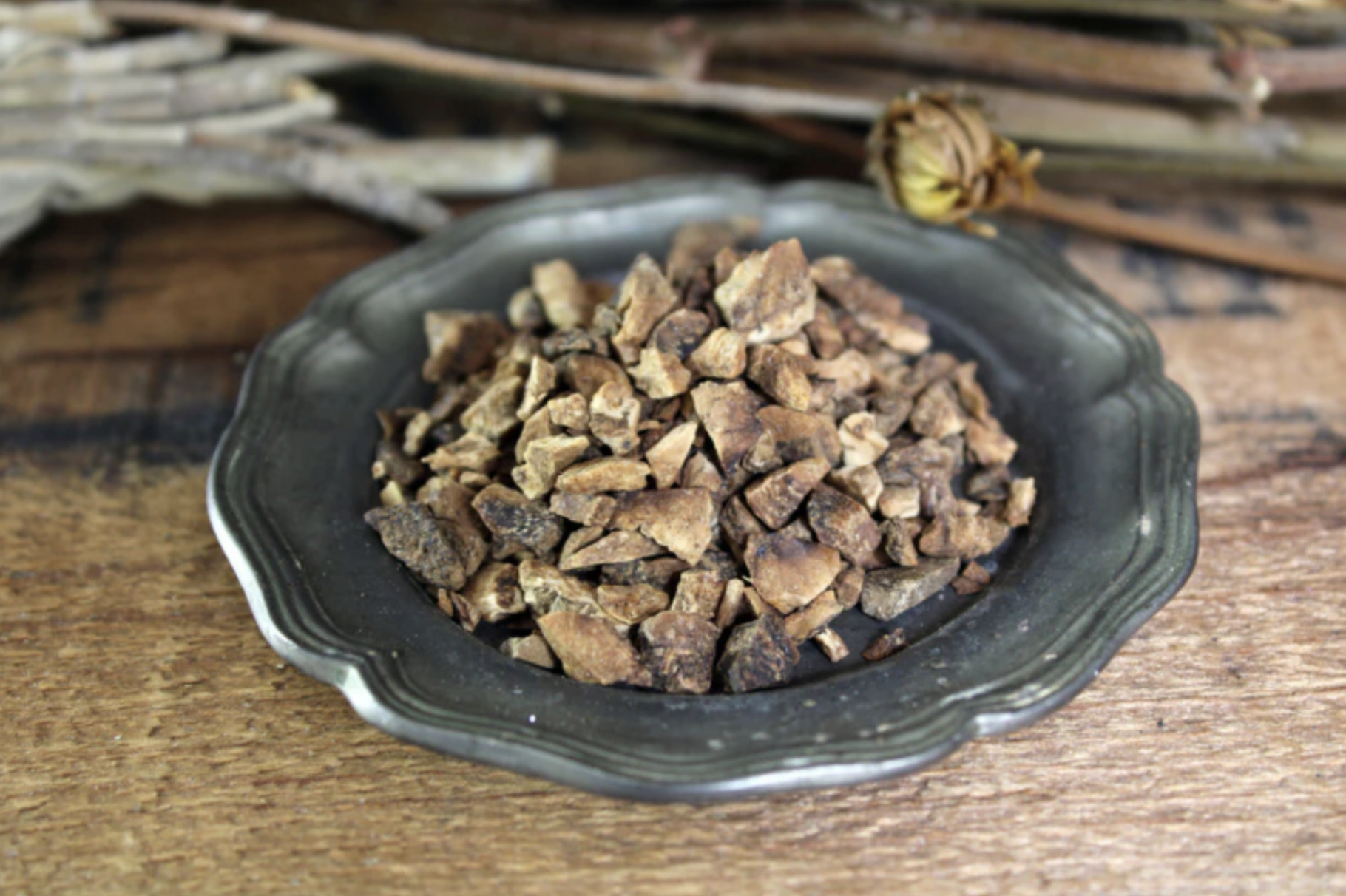


DEGREE 4 - Very Strong Respiratory Clearers
(Forceful clearing for severe or long-standing congestion.)
Very strong respiratory clearers are usually recommended for severe congestion or stubborn mucus buildup that has not responded to gentler remedies.
Symptoms look like very thick mucus that repeatedly returns, heavy chest congestion with labored coughing, significant sinus blockage, breathing that feels obstructed by mucus, and congestion that persists despite multiple attempts to clear it. Severe respiratory congestion, difficulty breathing, high fever, or chest pain should always be evaluated by a qualified medical professional. Natural therapies can support respiratory health, but serious lung infections or airway obstruction may require medical care.