Constipation (From a Holistic Perspective)
Constipation is typically defined as having fewer than three bowel movements per week, but it can also include straining, hard or dry stools, or a feeling of incomplete elimination. Healthy elimination should feel natural, complete, easy, and regular. Stool should be well-formed, soft but not loose, and passed without straining or force. The body relies on rhythm, moisture, and proper signaling to eliminate waste, and when one or more of those are off, stool can become hard, delayed, or difficult to pass so not all constipation is the same. The underlying cause determines what the body needs… whether that’s moisture and lubrication, stimulation, relaxation, or coordination. Using one size fits all methods or the wrong approach can make symptoms worse instead of better. Some people may even experience more than one pattern at the same time. For example, stool may be dry and there’s also tension that may prevent complete elimination.
Why is that? Because holistically, several organ systems influence different patterns of constipation, which is why identifying the underlying mechanism is key to choosing the right type of support. The digestive system is the primary system involved, responsible for forming stool and regulating water absorption. When out of balance, stool can become dry, hard, or poorly formed, and movement may slow. Next, the nervous system influences gut brain signaling and the body’s natural urge to go. It also regulates the balance between contraction and relaxation. When this system is disrupted, it can lead to tension or holding patterns where the body struggles to release, as well as incomplete evacuation due to poor coordination. Additionally, the muscular system drives the physical movement of stool through the intestines and coordinates the process of pushing and releasing. If muscular function is weak or uncoordinated, it can result in slow transit or incomplete elimination. Lastly, the endocrine system helps regulate metabolic rhythm, energy levels, and fluid balance. When this system is off, it can slow overall digestive activity and indirectly contribute to dryness, leading to sluggish motility and harder stool over time.
Seek medical help if you haven’t had a bowel movement for over a week, notice blood in your stool, experience severe abdominal pain, or have unexplained weight loss. Using higher doses or taking a remedy more often or for longer can make it act like a stronger degree.
Sluggish / Slow Transit Constipation
The bowel isn’t moving efficiently. There’s little to no urge, going days without a bowel movement and feeling heavy or backed up. This type of constipation needs stimulation, rhythm, motility support because there’s no movement throughout the whole pathway, but especially in Colon + Enteric Nervous System. Common Signs: Going days without the urge, Feeling heavy or bloated, and Low appetite or slow digestion.
-
These reflect reduced motility and weak digestive signaling over time.
Weak peristalsis (reduced intestinal movement)
Irregular eating patterns (disrupts digestive rhythm)
Low stomach acid or digestive fire (weak signaling through the gut)
Chronic under-eating (insufficient stimulation of the bowel)
Sedentary lifestyle (reduced overall movement)
Nervous system imbalance (poor gut–brain signaling)
Endocrine imbalance (slowed metabolic rhythm)
Microbial imbalance affecting motility signaling
Long-term suppression of natural urges
Low fiber intake over time (lack of bulk to stimulate movement)
-
These are short-term factors that slow movement further.
Skipping meals or eating at inconsistent times
Travel or disruption in routine
Reduced physical activity
Low appetite or not eating enough that day
Eating heavy, dense, or greasy meals
Dehydration
Stress or mental fatigue
Illness or recovery periods
Sudden decrease in fiber intake
Poor sleep (affects rhythm and motility)













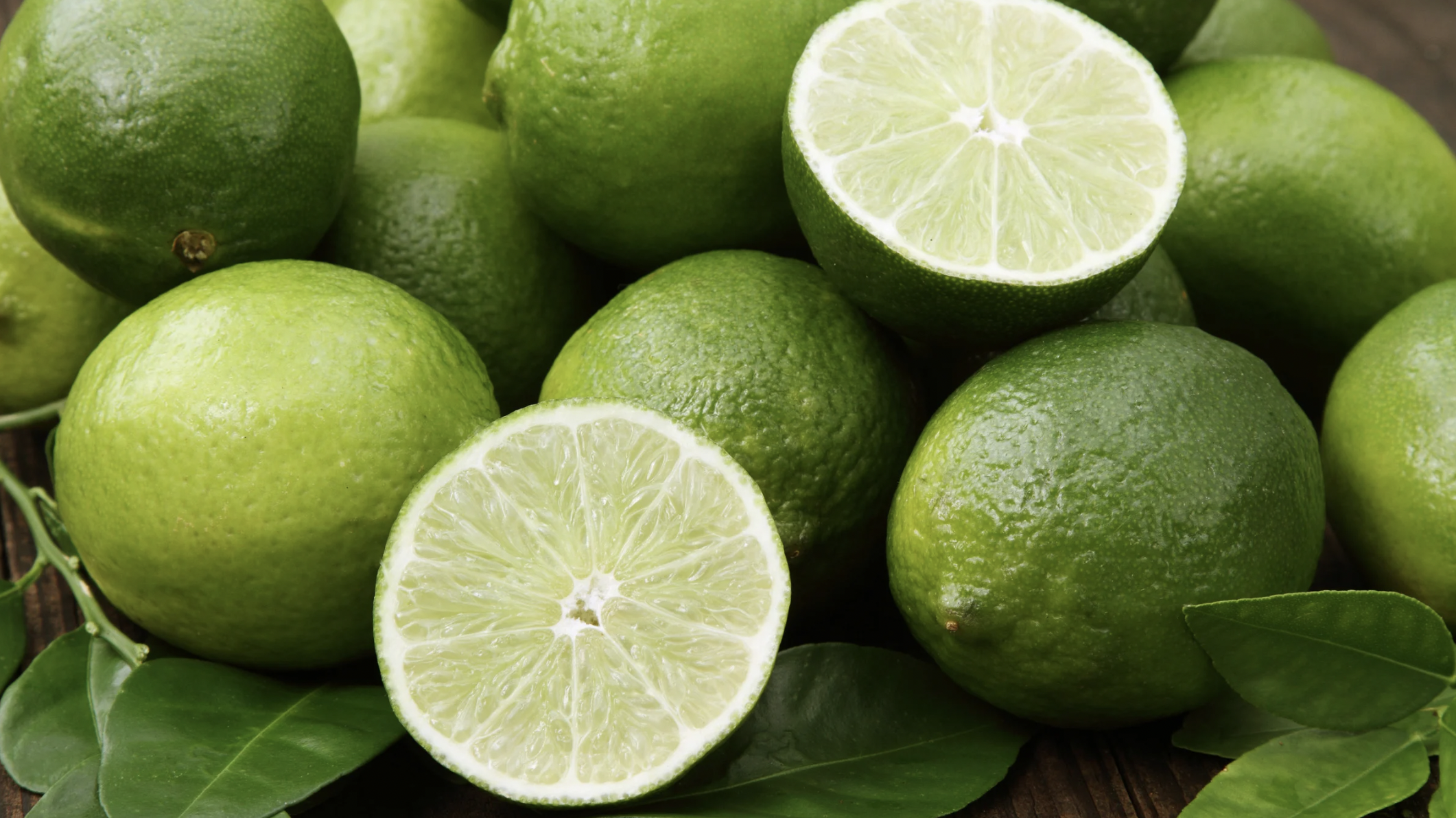








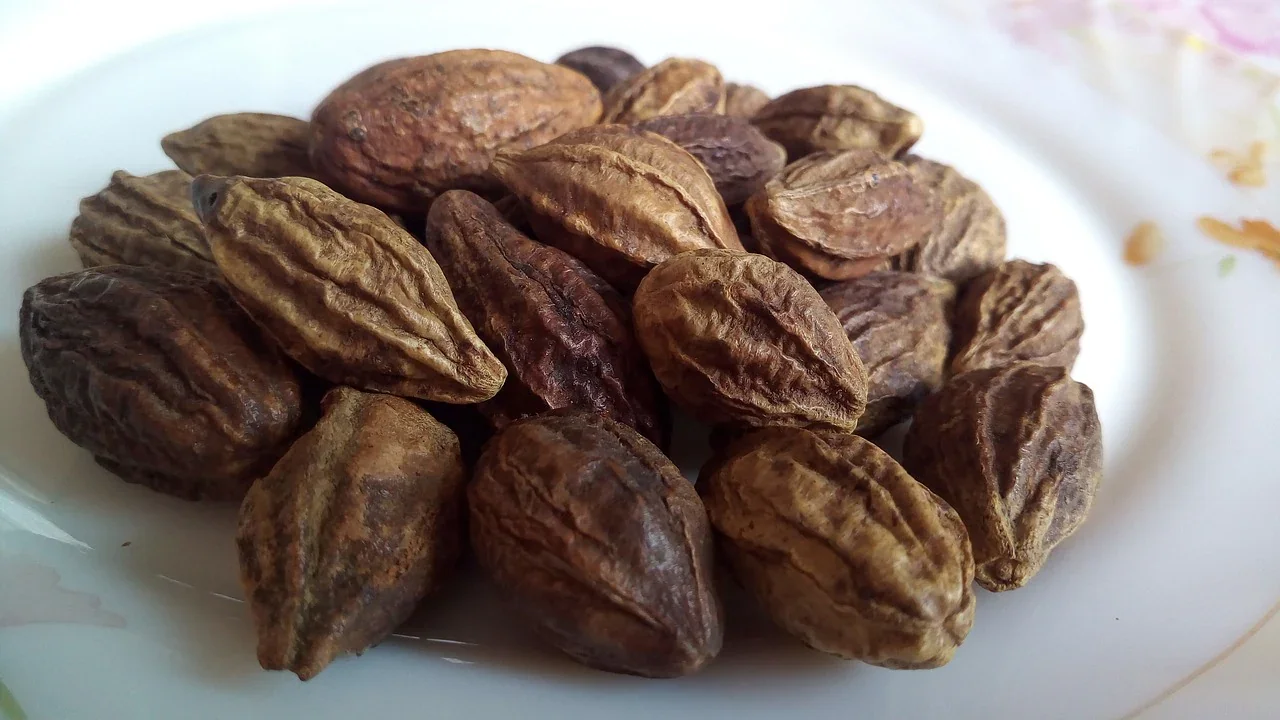





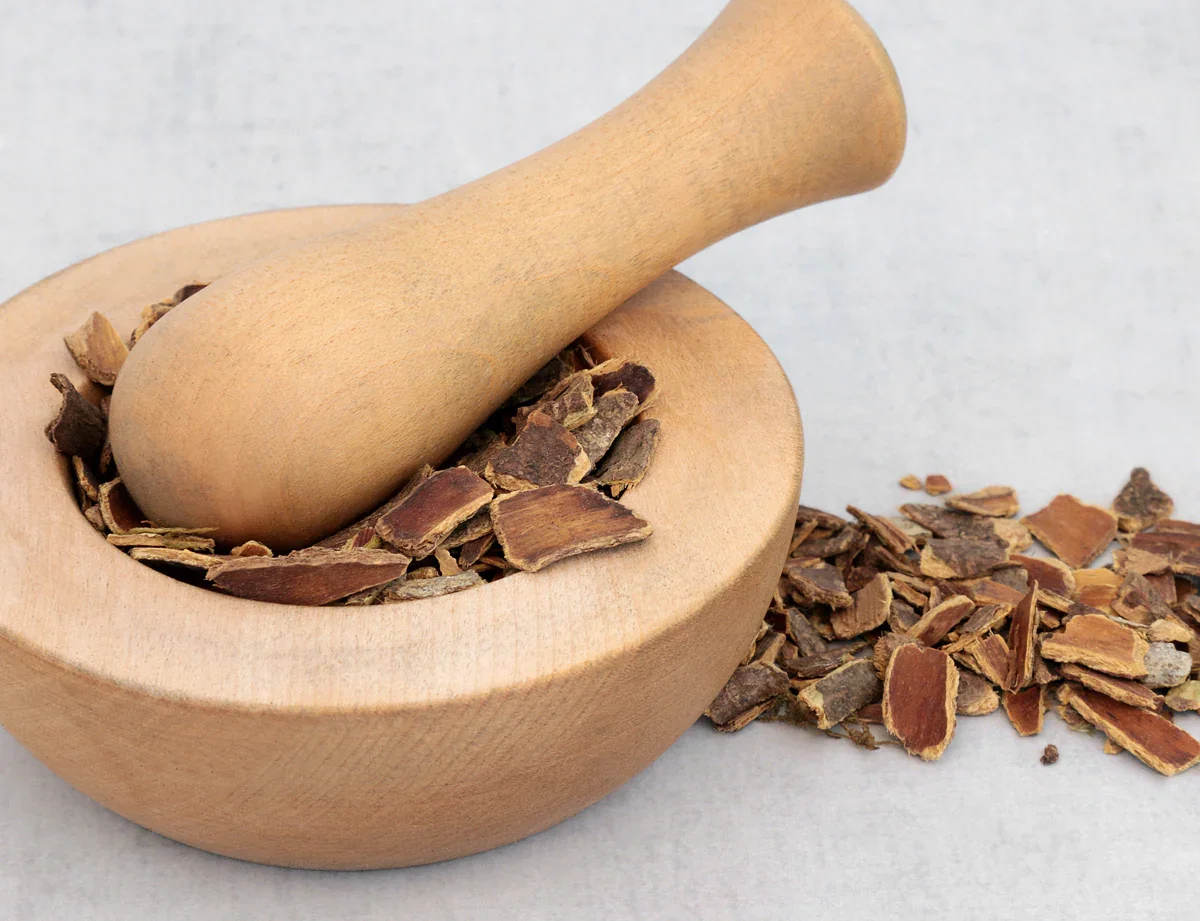


Dry / Hard Constipation
The stool lacks moisture and becomes hard, dry, and difficult to pass. You may notice straining, pellet-like stools, or a sense of dryness in the body. This type of constipation needs hydration, lubrication, and softening support because there’s not enough internal moisture in thecolon (large intestine). Common Signs: Pellet-like or very firm stool, Straining, Dry skin, low hydration tendencies.
-
These reflect ongoing internal dryness and lack of lubrication.
Chronic low fluid intake
Poor hydration absorption (drinking water but not retaining it well)
Low dietary fats (insufficient internal lubrication)
Diet high in dry, processed, or refined foods
Overuse of drying substances (caffeine, alcohol, certain medications)
Sluggish bile flow (reduced natural lubrication in digestion)
Gut lining irritation or depletion (reduced mucosal secretions)
Nervous system depletion (reduced fluid regulation and secretion)
Excessive sweating or fluid loss without replenishment
Long-term use of stimulant laxatives (worsens dryness over time)
-
These are day to day factors that worsen dryness or tip the system over.
Not drinking enough water that day
Traveling or being out of routine
Eating more dry foods (crackers, bread, protein bars)
Skipping meals or eating irregularly
Increased caffeine intake
Dehydration from heat, exercise, or illness
Stress (can reduce fluid secretion and digestion)
Ignoring the urge to go
Sudden diet changes (especially lower fiber or fat intake)

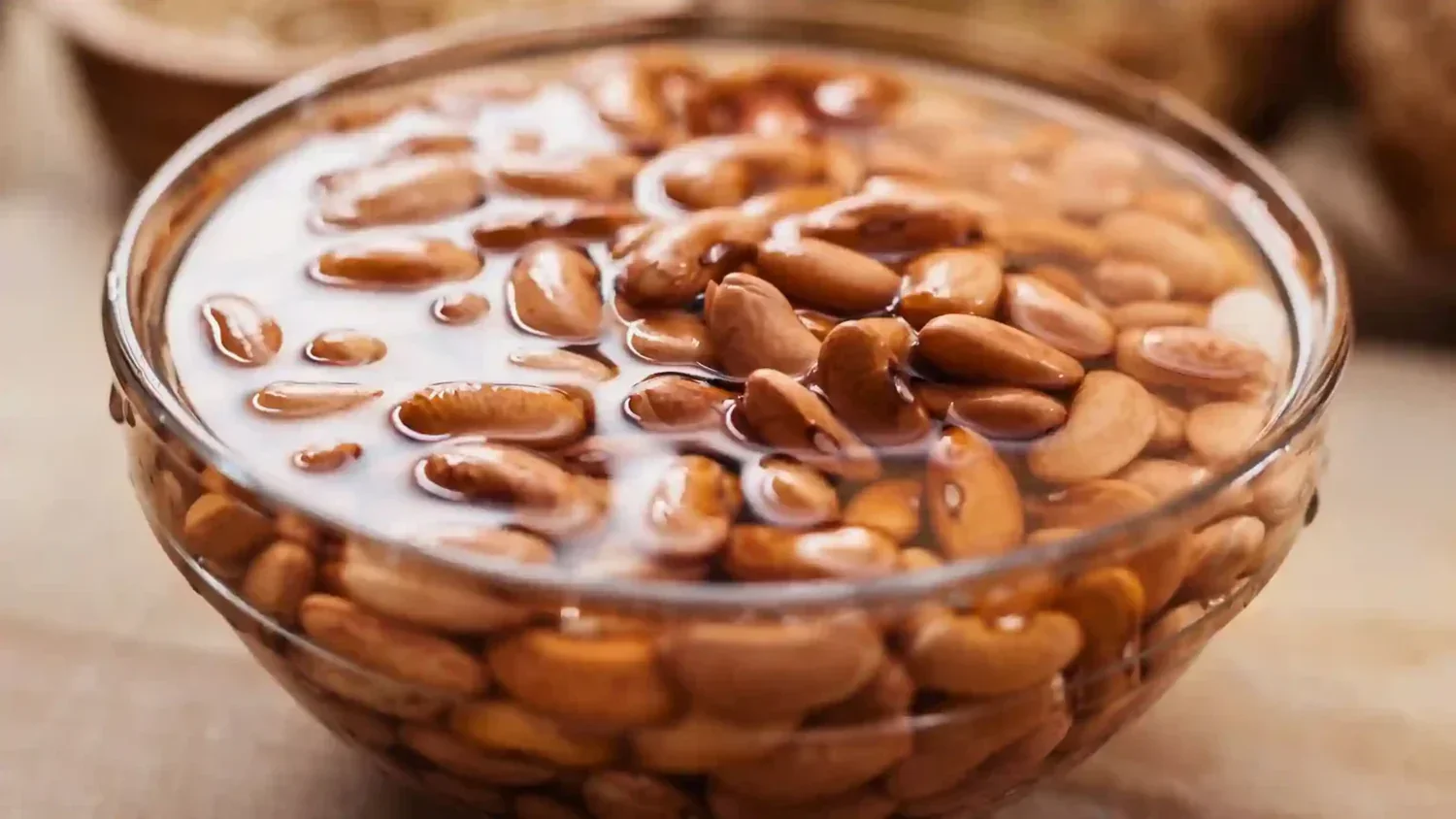





























Tension / Holding Constipation
The urge to go is present, but the body struggles to release. You may feel like the stool is “stuck,” often alongside stress, tightness in the abdomen, or a sense of holding. This type of constipation needs nervous system support and muscle relaxation because the body isn’t letting go in lower colon + rectum + pelvic floor. Common Signs: Urge is there but “stuck”, Stress or anxiety present, Tight abdomen or pelvic area.
-
These reflect chronic nervous system tension and difficulty releasing.
Chronic stress or anxiety (fight-or-flight dominance)
Nervous system dysregulation (poor relaxation response)
Habitual holding of stool (ignoring the urge over time)
Pelvic floor tension or dysfunction (inability to relax muscles)
Fear, urgency, or discomfort around using the bathroom
History of painful bowel movements (creates subconscious holding)
Poor coordination between contraction and release
Tight abdominal or pelvic musculature
Overstimulation (excess caffeine, high stress lifestyle)
-
These are situational factors that increase tension or prevent release.
Stressful situations or emotional overwhelm
Rushing or not having time to go
Being in unfamiliar or uncomfortable environments (travel, public bathrooms)
Ignoring the urge to go
High caffeine intake
Anxiety or mental pressure
Disrupted routine
Sleep deprivation (increases stress response)





















Incomplete / Blocked Constipation
The bowel movement starts, but doesn’t fully complete. You may go multiple times, pass small amounts, or feel like something is still left behind. This type of constipation needs coordination, completion, and gentle motility support because the body isn’t fully finishing the process with the rectum + pelvic floor coordination. Common Signs: Frequent small bowel movements, Feeling of incomplete emptying, Bloating after going.
-
These reflect poor coordination and inability to fully complete elimination.
Pelvic floor dysfunction (improper relaxation during elimination)
Poor coordination between pushing and releasing
Weak or inconsistent peristalsis (movement starts but doesn’t finish)
Habitual suppression of the urge to go
Inadequate stool bulk or structure (not enough to fully clear)
Nervous system dysregulation affecting timing and coordination
Microbial imbalance affecting signaling and stool formation
Chronic disruption of bowel rhythm
Overreliance on forceful laxatives (reduces natural coordination over time)
-
These are short-term factors that worsen incomplete evacuation.
Rushing bowel movements
Not sitting long enough to fully empty
Ignoring the urge initially, then going later
Travel or changes in routine
Stress or mental distraction
Inadequate fiber or hydration that day
Bloating or gas creating a “blocked” sensation
Eating patterns that disrupt normal bowel rhythm



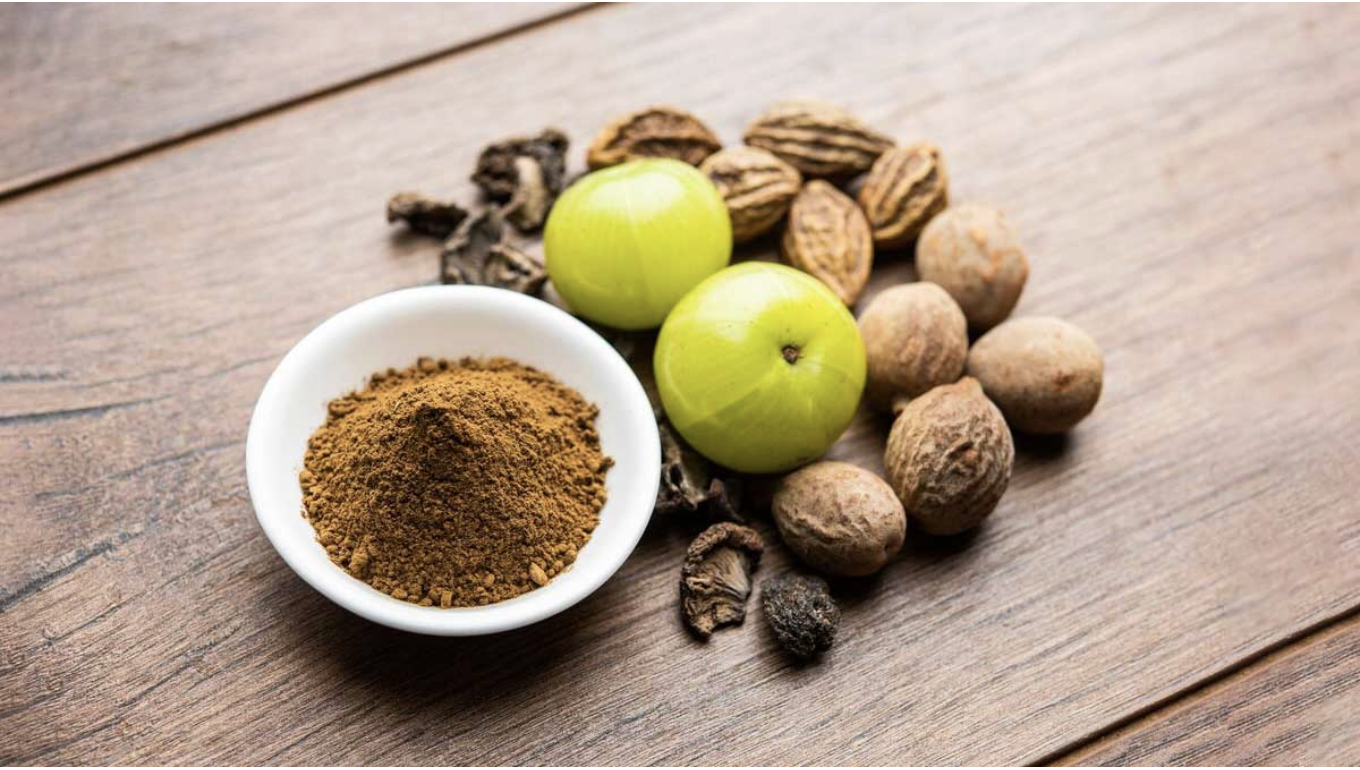





Functional Agent